Archive
Ephemeris: 09/09/2024 – The Sun’s sibling star?
This is Ephemeris for Monday, September 9th. Today the Sun will be up for 12 hours and 48 minutes, setting at 8:03, and it will rise tomorrow at 7:16. The Moon, 2 days before first quarter, will set at 10:38 this evening.
The Sun was born from a cloud, a nebula, of mostly hydrogen and helium with traces of heavier elements. Astronomers consider any element heaver than helium a metal. It was not born alone, but with many other stars in a star cluster, all at about the same time. The elements that are in the Sun’s atmosphere came from that nebula. Astronomers are wondering if there were any other stars they could see which were siblings of the Sun. Apparently they found one star that has the same metals in the same proportions as the Sun. That star is HD 162826, a dim star in the constellation Hercules, visible in binoculars. It’s a bit more massive than the Sun, and about 109 light years away. The Sun’s sibling stars have scattered far and wide.
The astronomical event times given are for the Traverse City/Interlochen area of Michigan (EDT, UT – 4 hours). Times will be different for other locations.
Addendum
Ephemeris: 09/04/2024 – Where are the naked-eye planets this week?
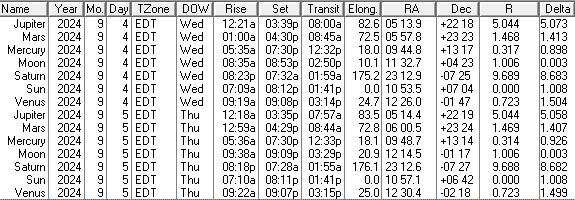
This is Ephemeris for Wednesday, September 4th. Today the Sun will be up for 13 hours and 3 minutes, setting at 8:12, and it will rise tomorrow at 7:10. The Moon, 2 days past new, will set at 8:53 this evening.
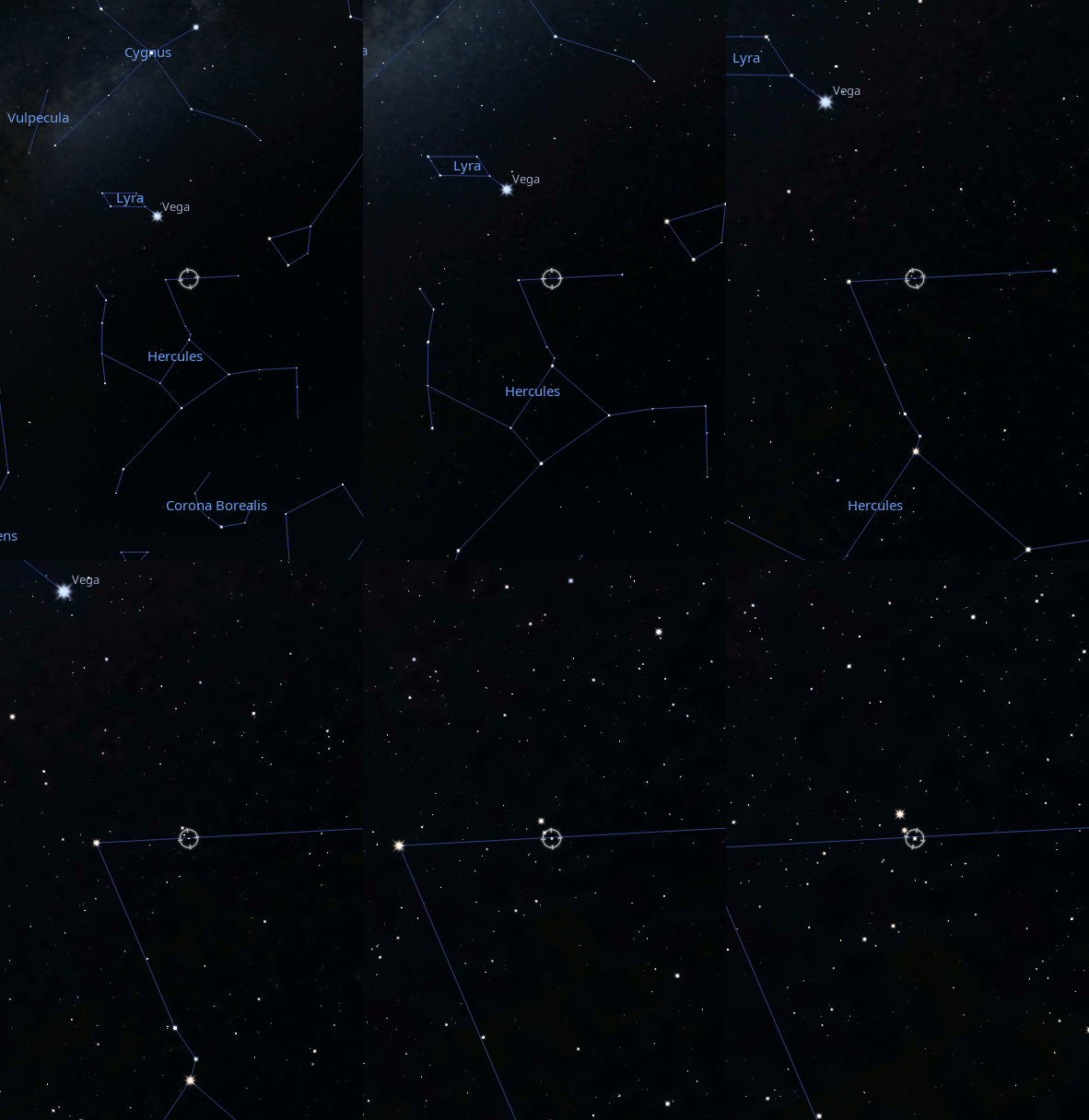
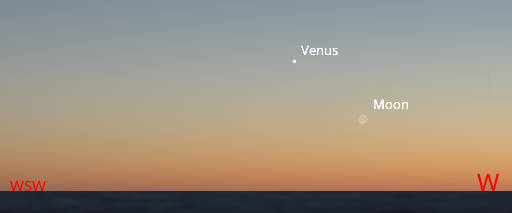
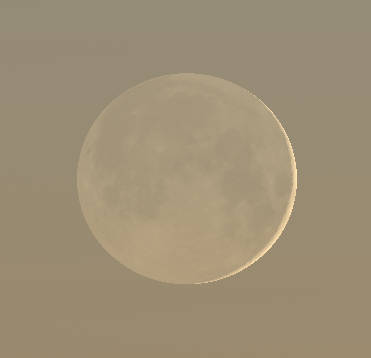
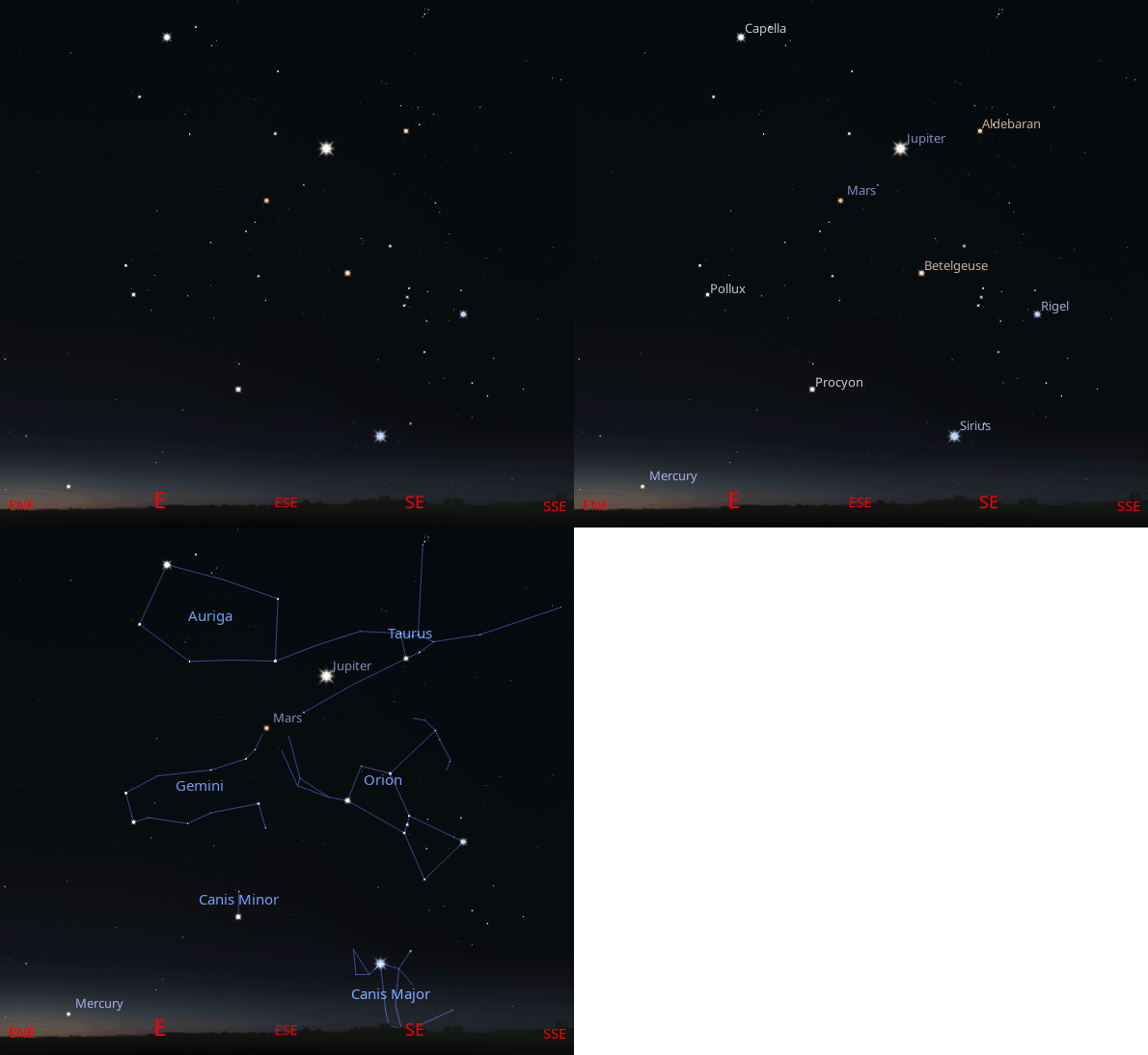
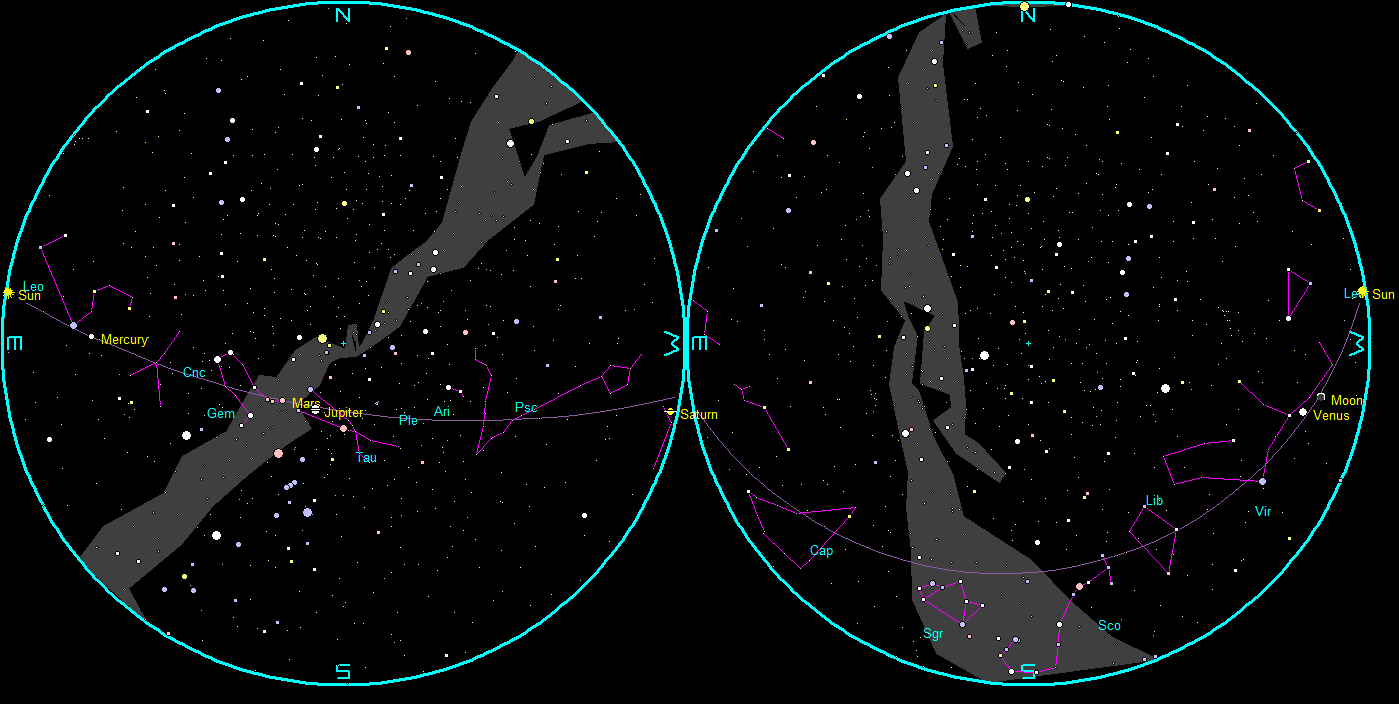
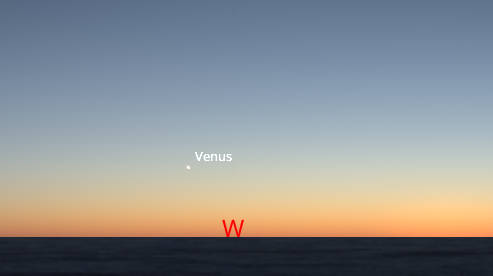
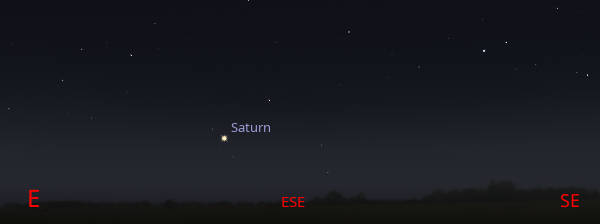
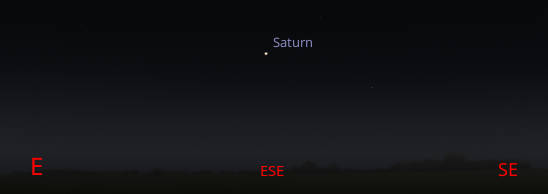
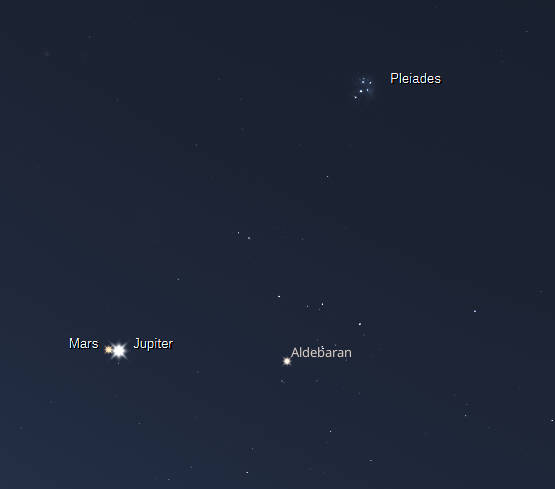
Let’s take our weekly look at the whereabouts of the naked-eye planets. Venus might be glimpsed low in the west around 8:30 PM. It will set at 9:08. It is best seen over a very low or lake horizon. The thin sliver of the Moon might be seen below and to the right. Saturn will rise shortly after sunset, and by 9 PM will be low in the east-southeast, pretty much by itself. Saturn may look disappointing in telescopes this year since its rings are nearly edge on and appearing as a line through the planet. Jupiter and Mars will be up in the east in the morning, and by 6 am tomorrow, Jupiter will be the brightest starlike object in the sky among the winter stars. Mars will be just below it to the left. Mercury might be spotted near the horizon in the east, now and for the next week.
The astronomical event times given are for the Traverse City/Interlochen area of Michigan (EDT, UT– 4 hours). Times will be different for other locations.
Addendum
Ephemeris: 08/30/2024 – Star party tomorrow night
This is Ephemeris for Friday, August 30th. Today the Sun will be up for 13 hours and 18 minutes, setting at 8:22, and it will rise tomorrow at 7:04. The Moon, 3 days before new, will rise at 4:11 tomorrow morning.
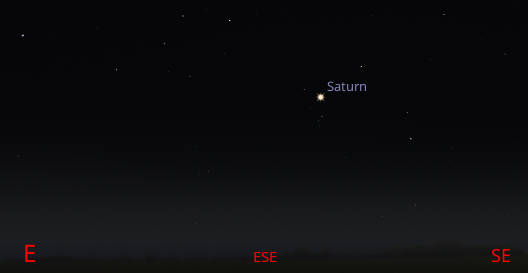
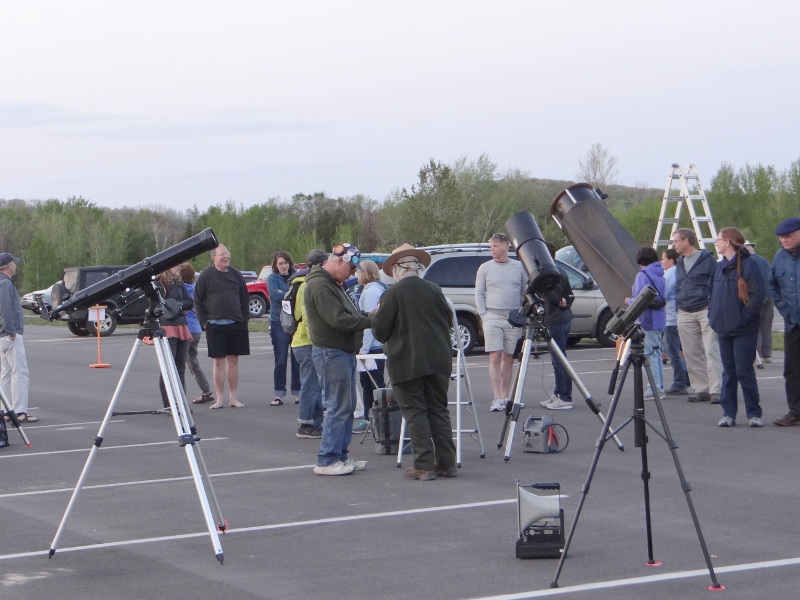
Weather permitting, a Star Party will be held tomorrow night at the Sleeping Bear Dunes National Lakeshore at the Dune Climb. The viewing will start at 9 pm. These events will be hosted by the park rangers and the Grand Traverse Astronomical Society, who will bring their telescopes to view the heavens, including the planet Saturn and the wonders of the summer Milky Way. The telescopes will be setup in the parking area closest to the dune. While twilight fades Saturn will be about the only object to view in the east-southeast. As it gets darker more and more wonders of the Milky Way will be seen. They include star clusters and nebulae, clouds of gas and dust that lie in abundance in the Milky Way.
The astronomical event times given are for the Traverse City/Interlochen area of Michigan (EDT, UT–4 hours). Times will be different for other locations.
Addendum
Ephemeris: 08/28/2024 – Where are the naked-eye planets this week?
This is Ephemeris for Wednesday, August 28th. Today the Sun will be up for 13 hours and 24 minutes, setting at 8:25, and it will rise tomorrow at 7:02. The Moon, 2 days past last quarter, will rise at 1:55 tomorrow morning.
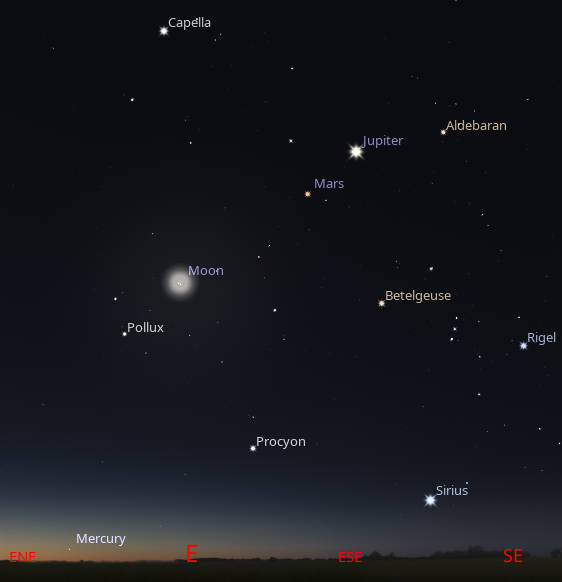
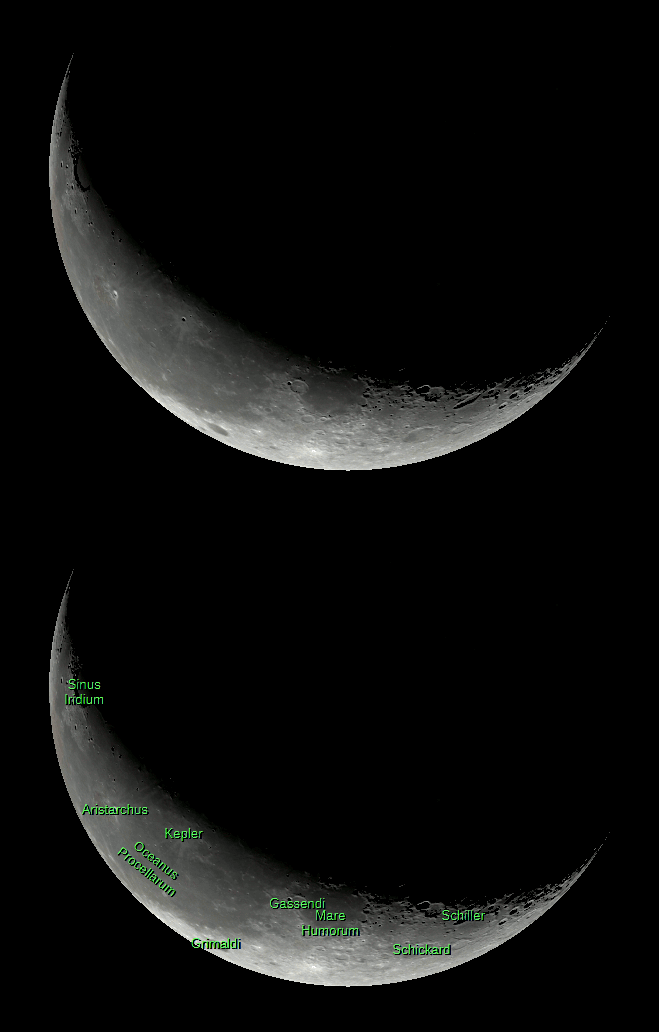
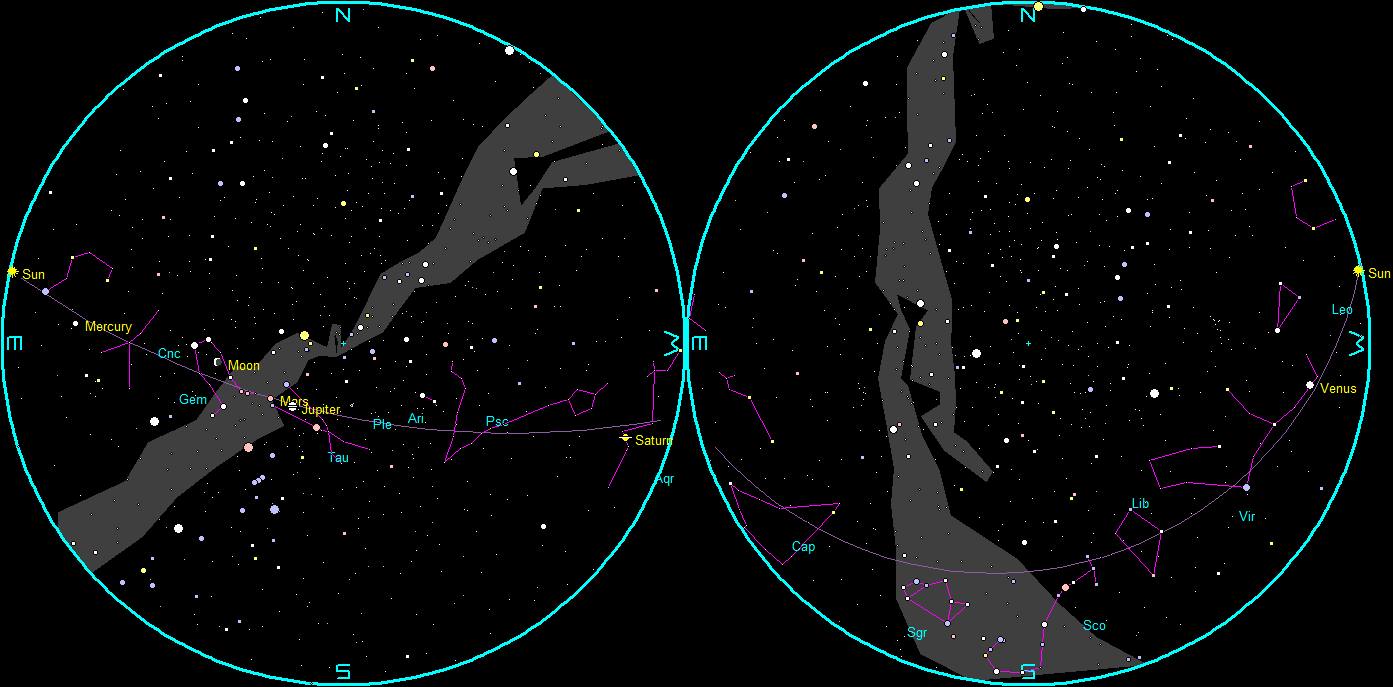
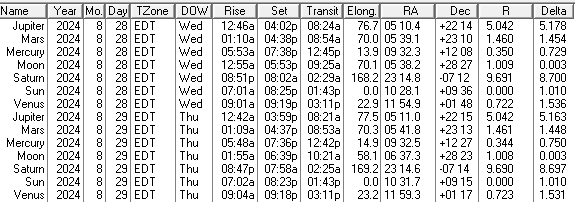
Let’s take our weekly look at the whereabouts of the naked-eye planets. Venus might be glimpsed low in the west around 8:45 PM. It will set at 9:19. It is best seen over a very low or lake horizon. Saturn will rise at 8:52 pm, and by 10 pm will be low in the east-southeast, pretty much by itself. Saturn may look disappointing in telescopes this year since its rings are nearly edge on and appear almost as a line through the planet. Jupiter and Mars will be up in the east in the morning, and by 6 am tomorrow, Jupiter will be the brightest starlike object in the sky among the winter stars. Mars will be just below it to the left. And the waning crescent Moon below left of Mars. Jupiter will rise at 12:42 AM, with Mars rising at 1:09 AM.
The astronomical event times given are for the Traverse City/Interlochen area of Michigan (EDT, UT–4 hours). Times will be different for other locations.
Addendum
Ephemeris: 08/22/2024 – Saturn’s ring aspect is changing in the next nine months
This is Ephemeris for Thursday, August 22nd. Today the Sun will be up for 13 hours and 41 minutes, setting at 8:36, and it will rise tomorrow at 6:55. The Moon, 3 days past full, will rise at 10:07 this evening.
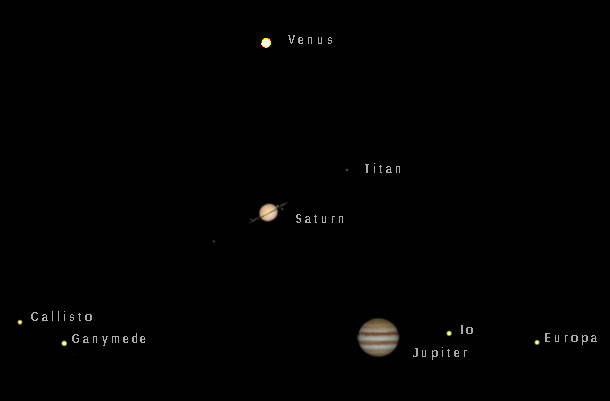
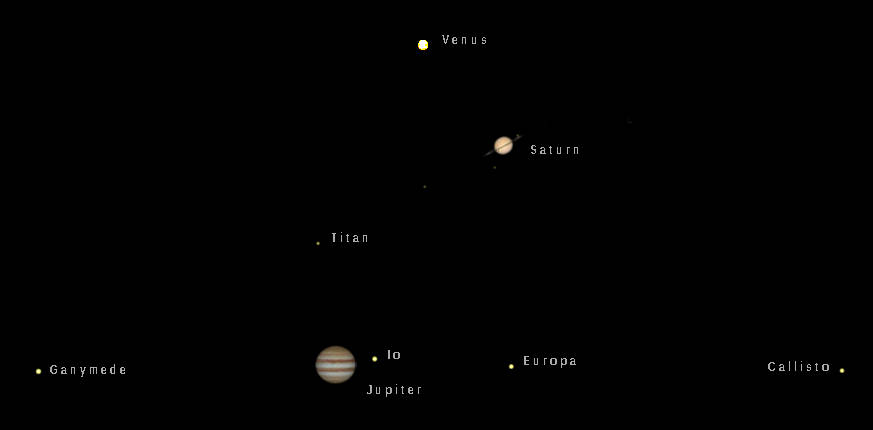
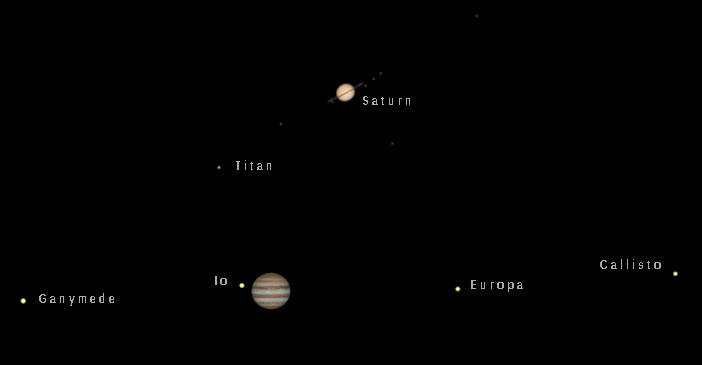
Saturn graces our evening skies now, but it’s not yet in the evening planet. It will rise tonight at 9:16 PM. However, will set after sunrise, thus still being a morning planet. It will become an evening planet on September 7th, when it reaches opposition from the Sun. It will rise approximately the same time the Sun sets and thereafter will rise before sunset. Saturn’s rings are nearly edge on to us now. Currently, about 2 1/4° from being edge on. They will open up slightly over the next few months to five degrees on November 11th before closing up and becoming edge-on on March 23rd of next year. On that day the rings will disappear for us. However, their presence will only be seen by the thin shadow they cast on the planet.
The astronomical event times given are for the Traverse City/Interlochen area of Michigan (EDT, UT–4 hours). Times will be different for other locations.
Addendum
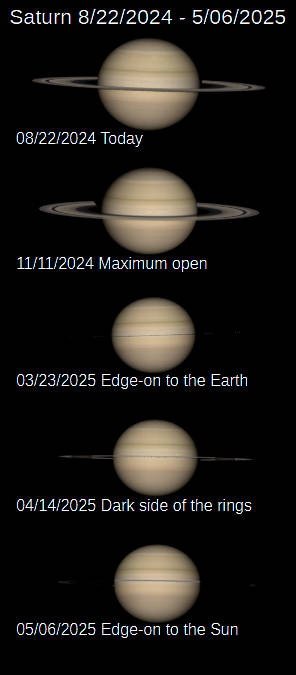
The image shows Saturn and its rings on five dates. The first is today, August 22nd 2024. On this date the rings are a little over three degrees from being edge on to us. They will actually open up a bit for nearly three months. On November 11th they will open up to nearly 6°. On March 23rd next year they will be exactly edge on to us and be invisible. The only sign of their presence will be a very thin shadow the rings cast on the planet. The bad part of this is that early next year Saturn will be too close to the Sun to be easily seen from Earth. That includes the Hubble and James Webb space telescopes. It will appear only 10 degrees west of the Sun on that date. It will increase over the next 44 days to 48 degrees on May 6th, when the rings will be edge on to the Sun. In that period the Earth will be looking at the unlit side of the rings. So the rings will be very dim. Only the light filtering through the rings will be seen, and the B ring which is the brightest normally will be just about completely dark due to the density of ring particles in it. After that the rings will open up for the next 7 1/2 years.
Ephemeris: 08/21/2024 – What naked-eye planets are now visible?
This is Ephemeris for Wednesday, August 21st. Today the Sun will be up for 13 hours and 44 minutes, setting at 8:37, and it will rise tomorrow at 6:54. The Moon, 2 days past full, will rise at 9:46 this evening.
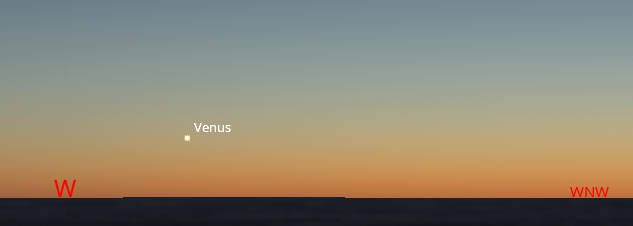
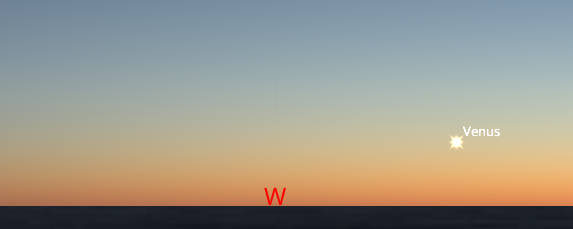
Let’s take our weekly look at the whereabouts of the naked-eye planets. Venus might be glimpsed low in the west with Venus lower in the west around 9:15 pm. It will set at 9:31. It is best seen over a very low or lake horizon. Saturn will rise at 9:21 pm, and by 10:30 pm will be low in the east southeast, pretty much by itself. Saturn may look disappointing in telescopes this year since rings are nearly edge on and appear almost as a line through the planet. Jupiter and Mars will be up in the east in the morning, and by 6 am tomorrow, Jupiter will be the brightest starlike object in the sky among the winter stars. Mars will be just below it to the left. Jupiter will rise at 1:06 am, with Mars rising 13 minutes later.
The astronomical event times given are for the Traverse City/Interlochen area of Michigan (EDT, UT–4 hours). Times will be different for other locations.
Addendum
Ephemeris: 08/20/2024 – The Moon will pass Saturn tonight
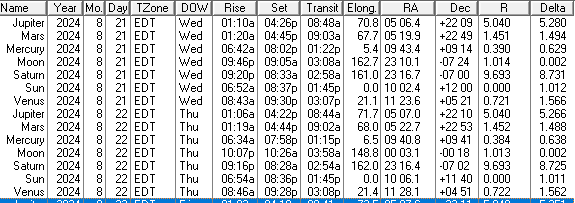
This is Ephemeris for Tuesday, August 20th. Today the Sun will be up for 13 hours and 47 minutes, setting at 8:39, and it will rise tomorrow at 6:52. The Moon, 1 day past full, will rise at 9:25 this evening.
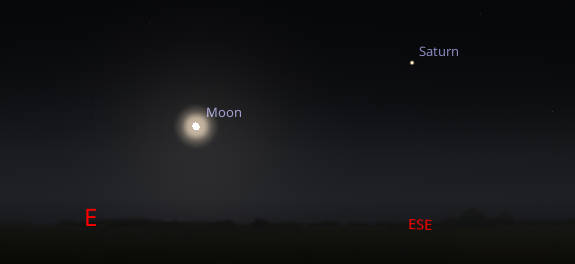
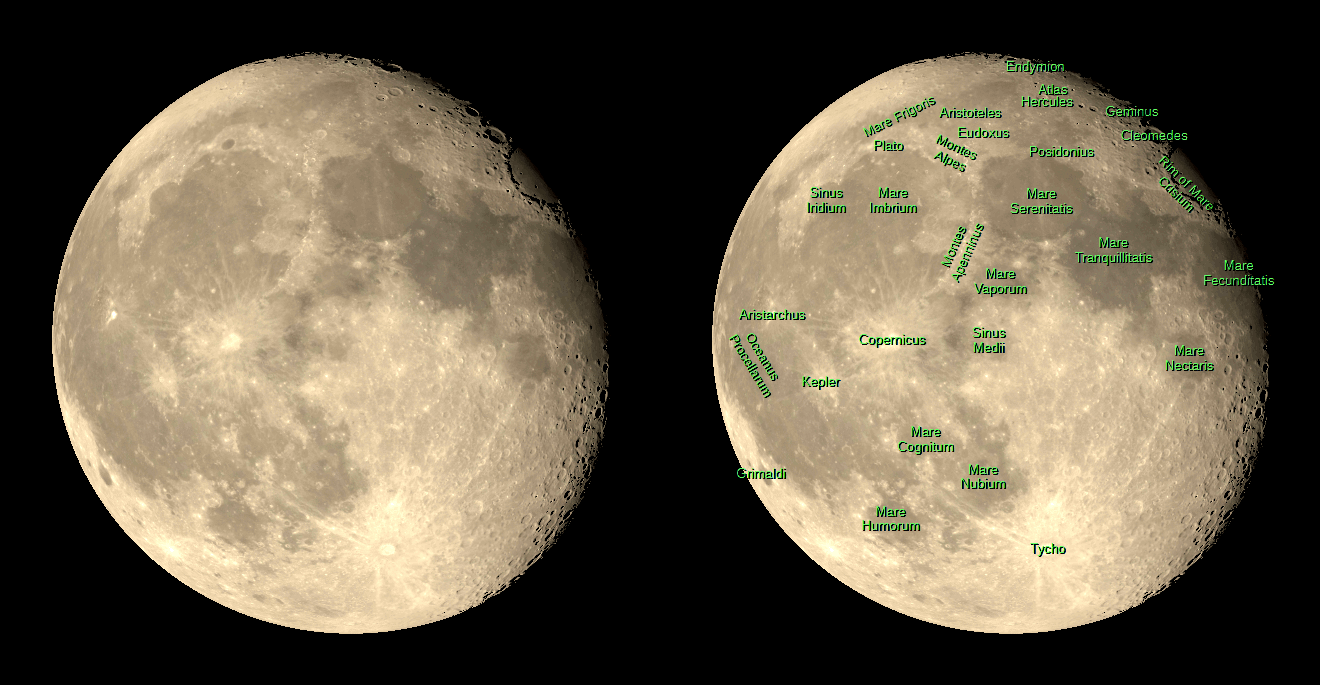
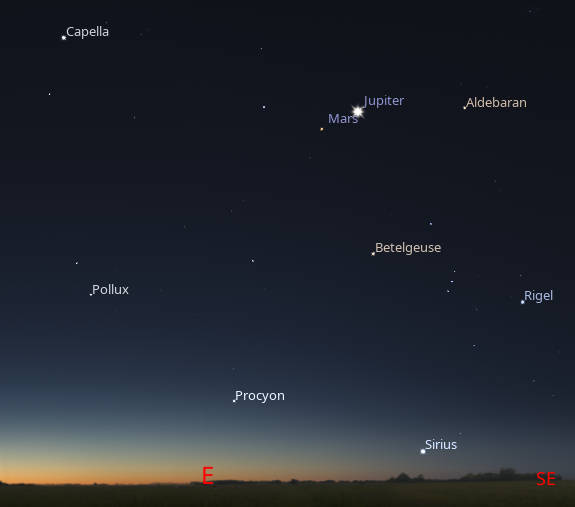
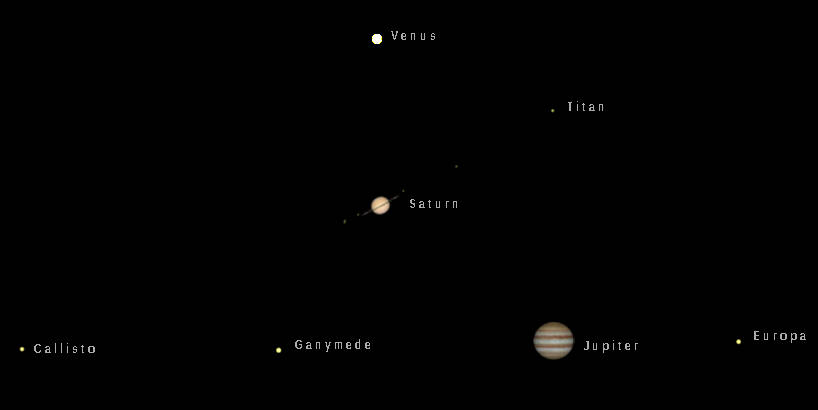
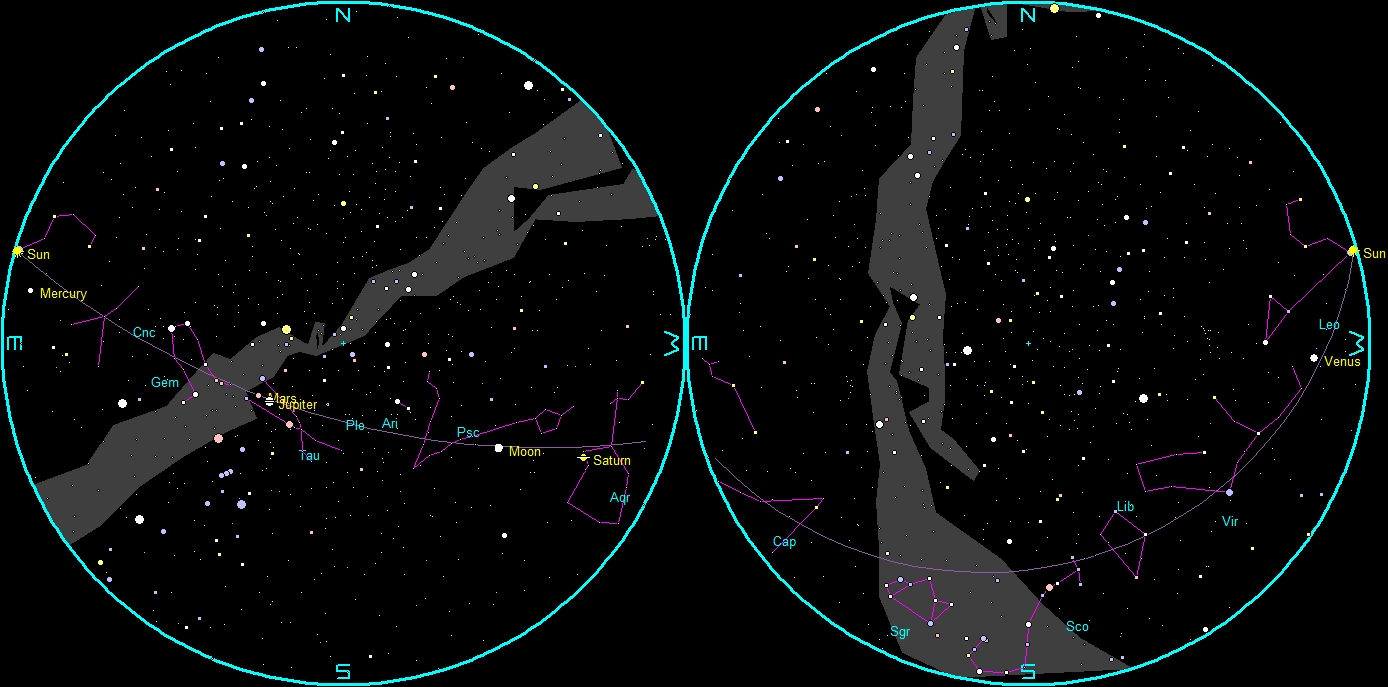
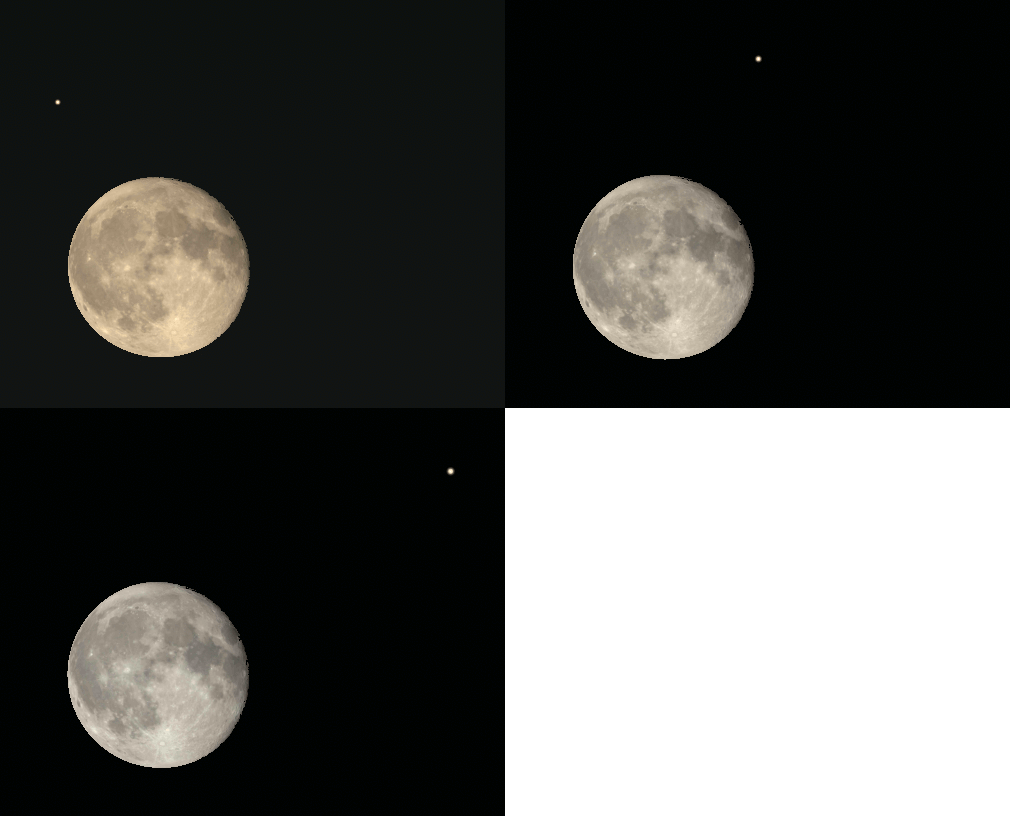
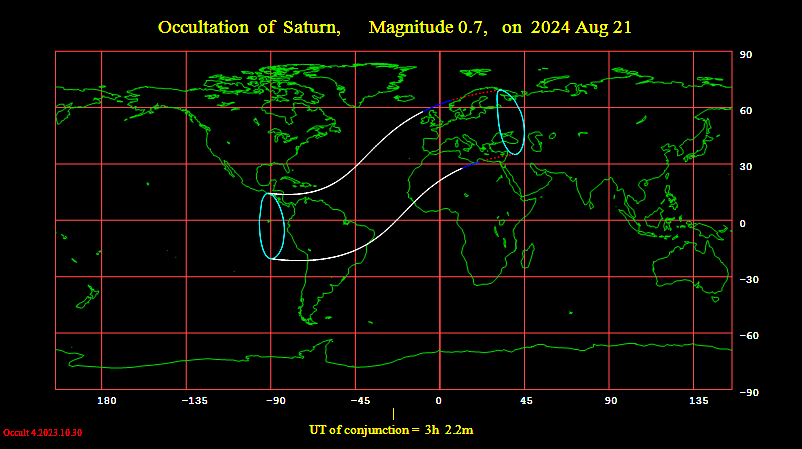
The bright Moon tonight will have a companion. It will be the planet Saturn, which the Moon will pass below this evening. The Moon being very bright will make it difficult to spot Saturn. So it will seem that Saturn is moving above the Moon, not the other way around. It may take a pair of binoculars to spot Saturn because it will be less than the diameter of the Moon above and to the left of the Moon early in the evening. Moving to the upper right of the Moon towards midnight. Our next full moon will be the Harvest Moon. We’re already seeing the harvest moon effect, that is the Moon rises at nearly the same time on consecutive nights, or almost so. Tomorrow’s Moon will rise only 21 minutes later than tonight’s Moon, at much less than the 50 minutes per night average.
The astronomical event times given are for the Traverse City/Interlochen area of Michigan (EDT, UT–4 hours). Times will be different for other locations.
Addendum
Saturn will be occulted (covered up) by the Moon tonight for portions of the Earth
Ephemeris: 08/14/2024 – Which of the naked-eye planets can be seen tonight?
This is Ephemeris for Wednesday, August 14th. Today the Sun will be up for 14 hours and 4 minutes, setting at 8:49, and it will rise tomorrow at 6:45. The Moon, 2 days past first quarter, will set at 1:25 tomorrow morning.
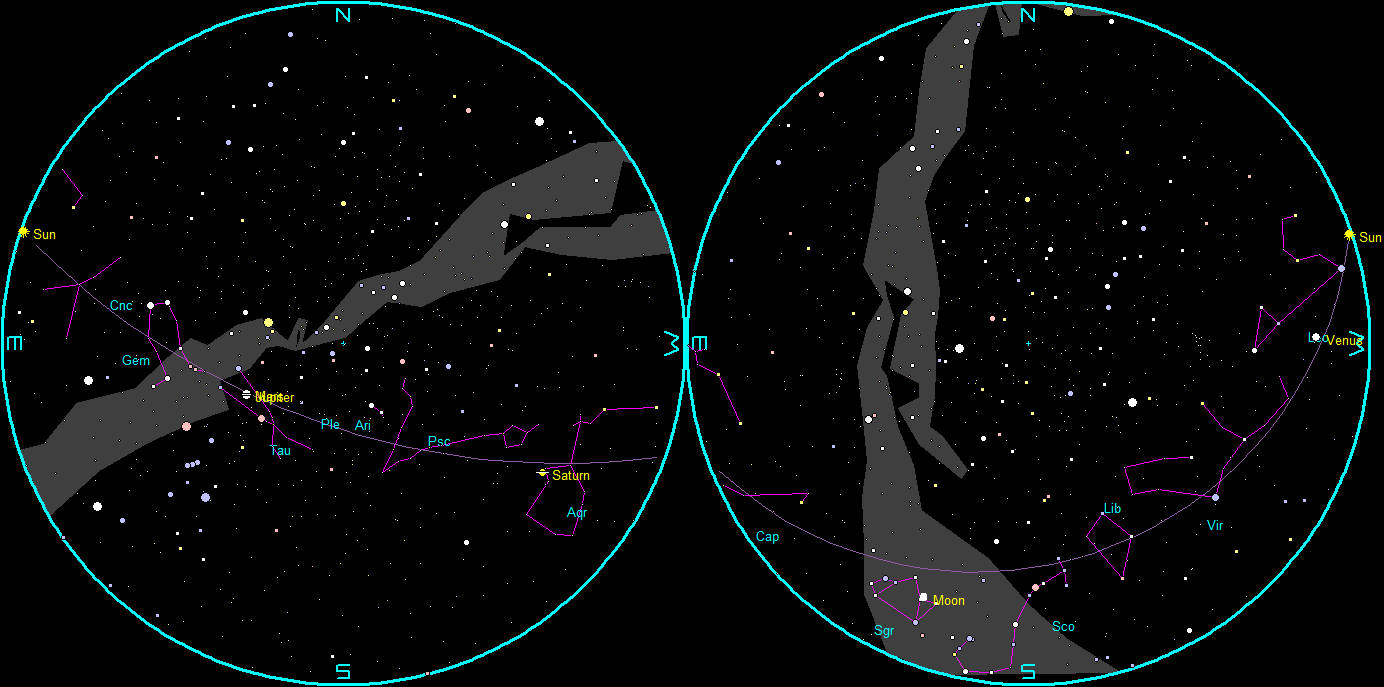
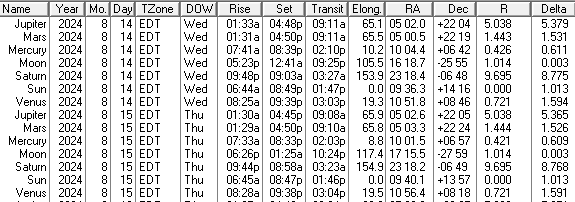
Let’s take our weekly look at the whereabouts of the naked-eye planets. Venus might be glimpsed low in the west with Venus lower in the west around 9:15 pm. It will set at 9:40. It is best seen over a very low or lake horizon. Saturn will rise at 9:49 pm, and by 11 pm will be low in the east southeast, pretty much by itself. Saturn may look disappointing in telescopes this year since rings are nearly edge on and appear almost as a line through the planet. Jupiter and Mars will be up in the east by 5:30 am tomorrow, with Mars one moon-width left of the much brighter Jupiter. They were a bit closer this morning with Mars two thirds of a moon-width to the upper left of Jupiter. That giant planet outshines all the bright stars around it. Jupiter will rise at 1:30 am, with Mars a couple of minutes later.
The astronomical event times given are for the Traverse City/Interlochen area of Michigan (EDT, UT–4 hours). Times will be different for other locations.
Addendum
Ephemeris: 08/13/2024 – Antares and the Moon
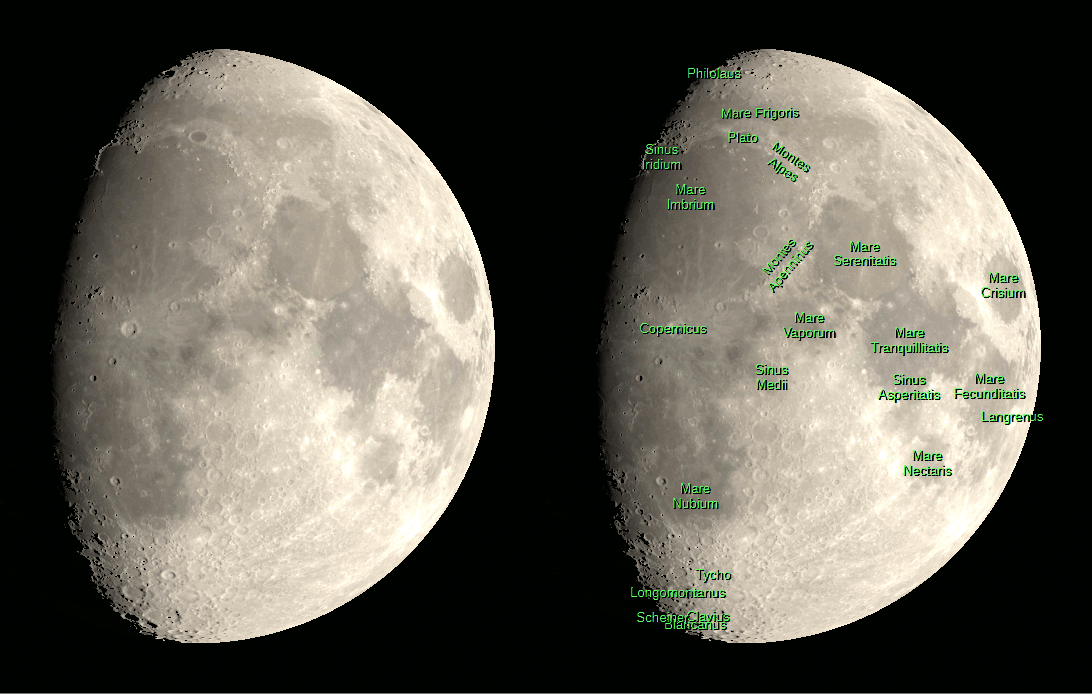
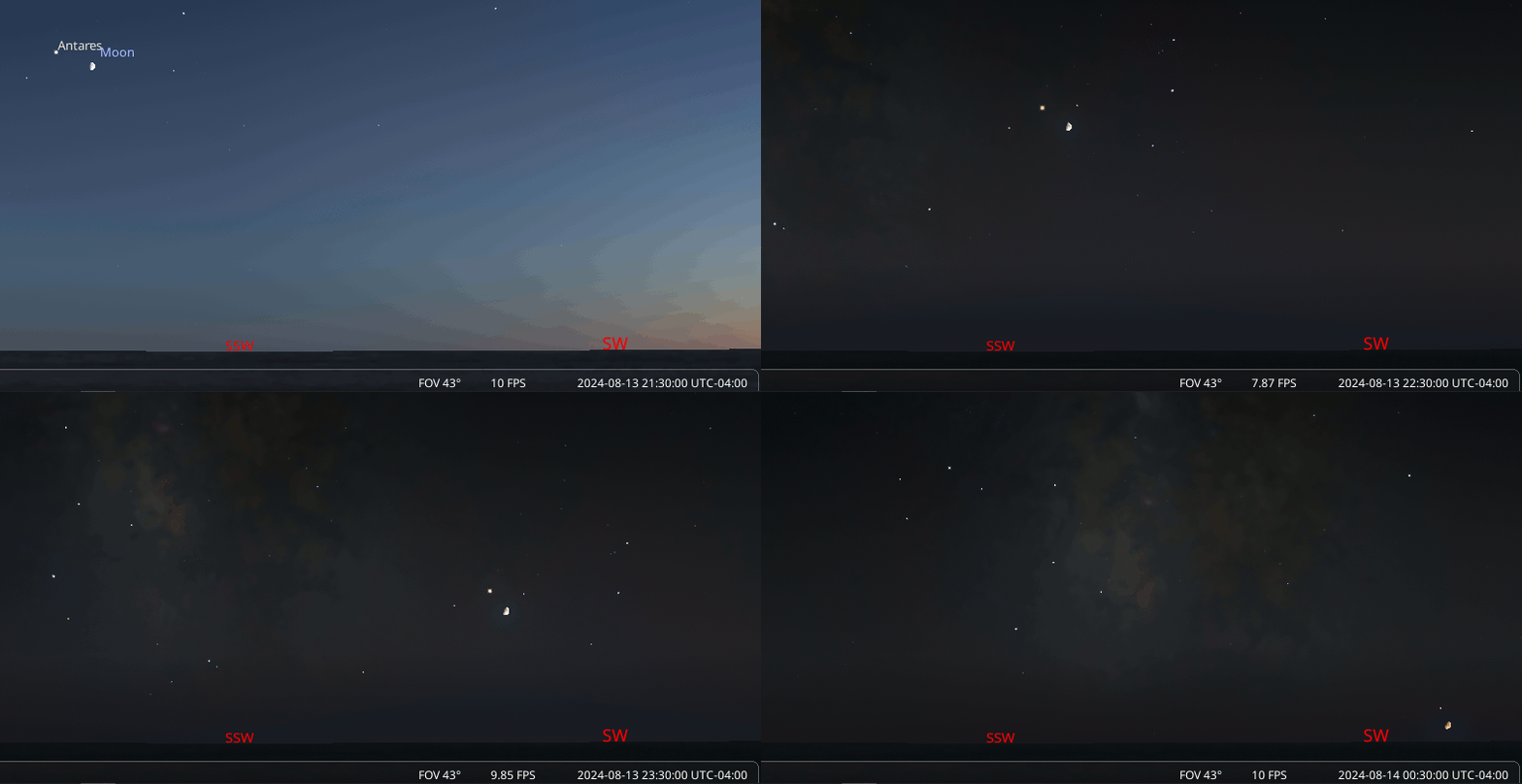
This is Ephemeris for Tuesday, August 13th. Today the Sun will be up for 14 hours and 7 minutes, setting at 8:50, and it will rise tomorrow at 6:44. The Moon, 1 day past first quarter, will set at 12:41 tomorrow morning.
The Moon tonight will have a companion. Just to the left of it will be a star. That star may not look very bright because it is overpowered by moonlight, but it is one of the brightest stars of the sky. It is Antares in Scorpius the scorpion, a red giant star. Every month for the last several years and for the next several years the moon will pass in front of that star. Unfortunately due to the timing and to the path of the Moon it doesn’t happen for any particular spot on the Earth very often. Tonight, as the Moon sets it will be approaching Antares but will appear about to pass below it at the time it sets. We will not be able to see the Moon actually cover or occult Antares from Northern Michigan until May 2028, nearly four years from now.
The astronomical event times given are for the Traverse City/Interlochen area of Michigan (EDT, UT–4 hours). Times will be different for other locations.
Addendum
Ephemeris: 08/12/2024 – Expect a stellar explosion soon
This is Ephemeris for Monday, August 12th. Today the Sun will be up for 14 hours and 9 minutes, setting at 8:52, and it will rise tomorrow at 6:43. The Moon, at first quarter today, will set at 12:07 tomorrow morning.
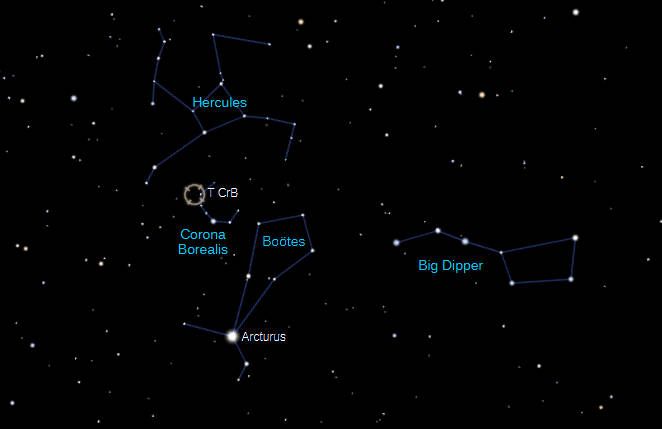
This is a reminder that we are expecting a once in a lifetime nova or exploding star in our skies fairly soon, maybe in a month or two. At least we’re hoping. Unlike many reoccurring events in astronomy this one cannot be predicted exactly since we’re not really sure what is happening. We have a general idea. The star is T Coronae Borealis which is in the Northern Crown constellation, which is a small semicircular stellar group near the star Arcturus which is a bright star found off the end of the handle of the Big Dipper. It is to the upper left of that star and the kite shaped constellation of Boötes of which Arcturus is at the base. The nova will appear as bright as Corona’s brightest star, but will fade in about 8 days below naked eye visibility. So it will be easy to miss.
The astronomical event times given are for the Traverse City/Interlochen area of Michigan (EDT, UT–4 hours). Times will be different for other locations.
Addendum