Archive
Ephemeris: 07/20/2026 – Important space anniversaries
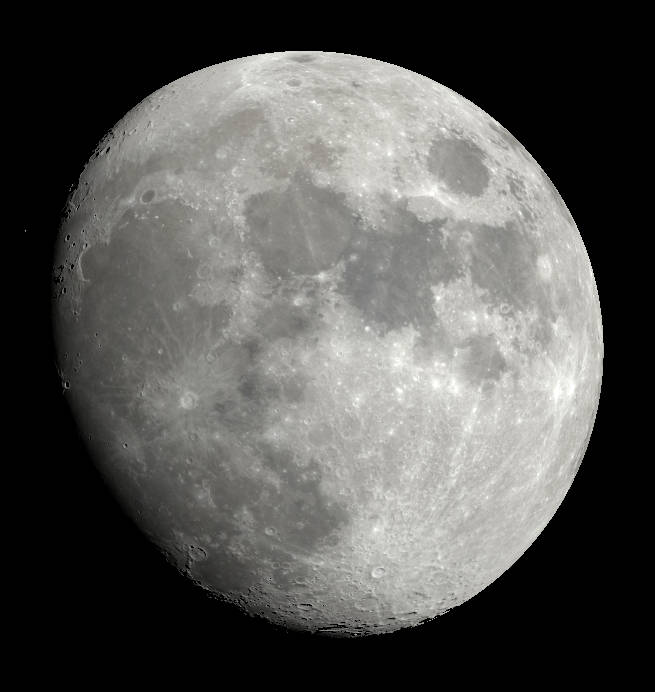
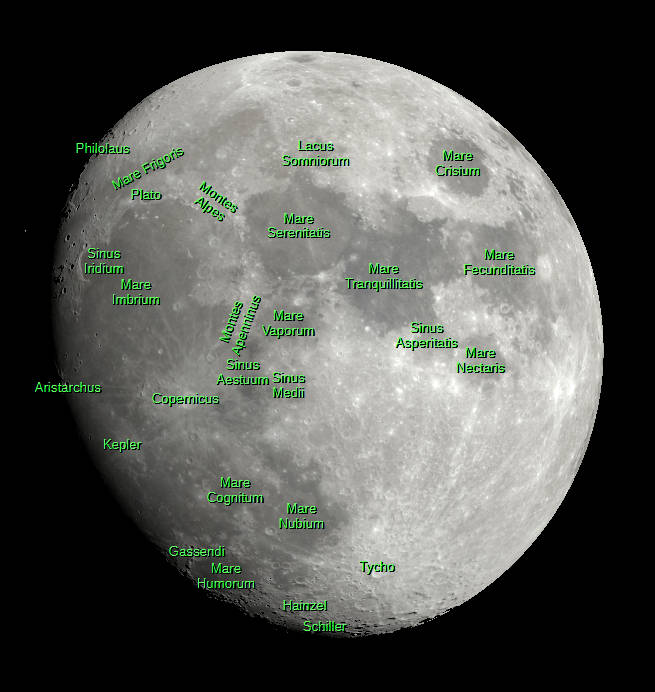
This is Ephemeris for Monday, July 20th. Today the Sun will be up for 15 hours and 5 minutes, setting at 9:21, and it will rise tomorrow at 6:17. The Moon, 1 day before first quarter, will set at 12:17 tomorrow morning.
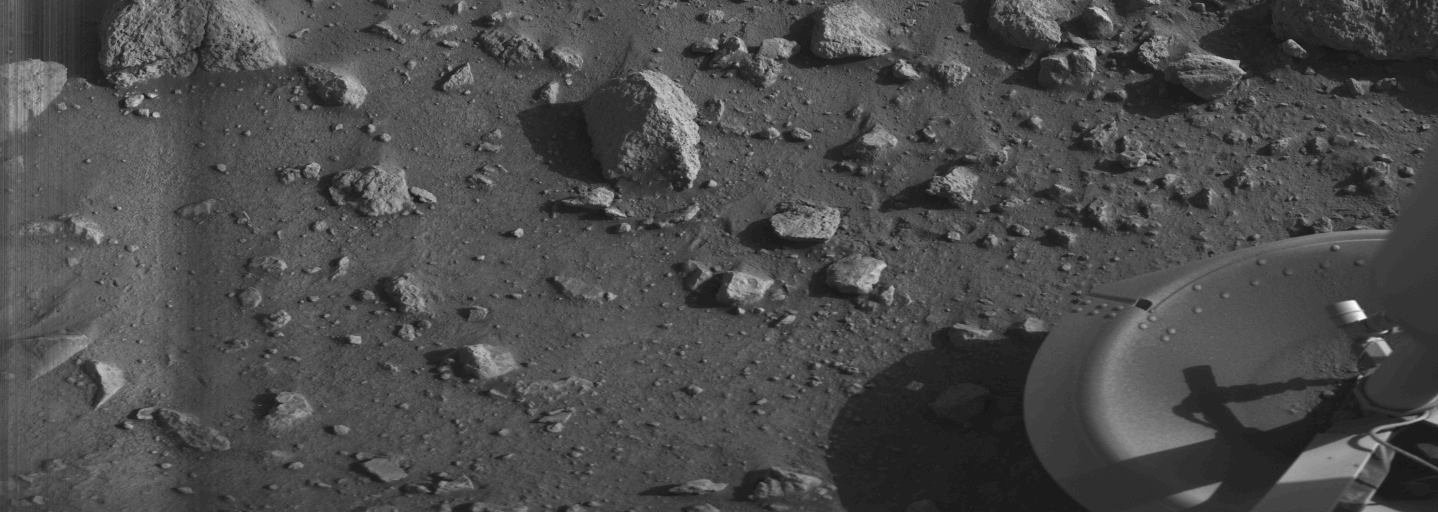
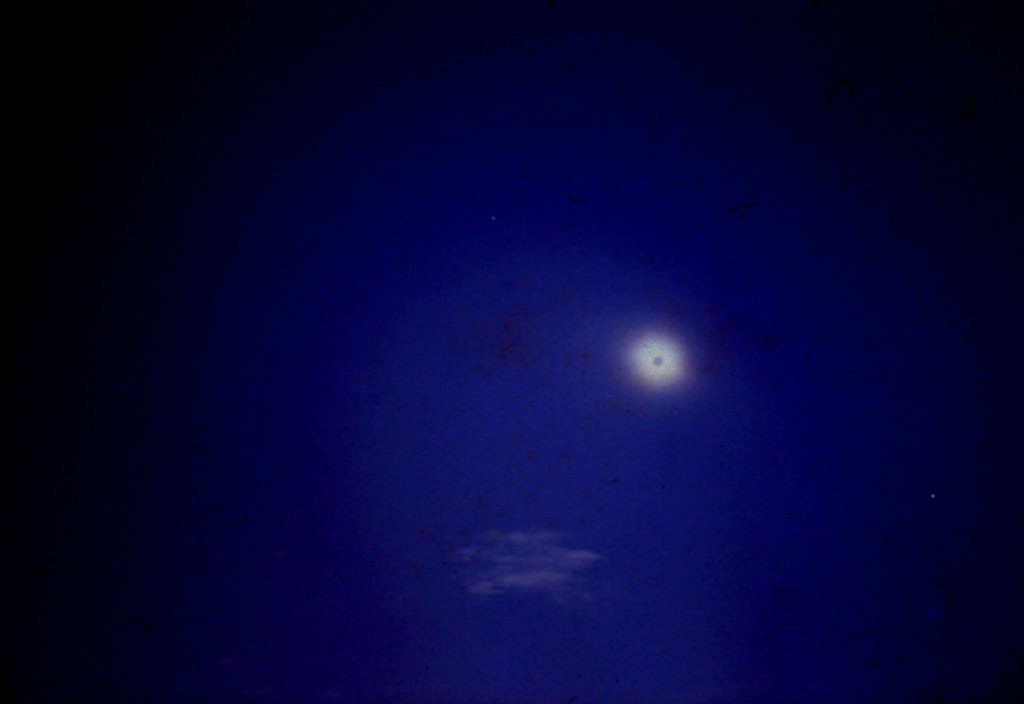
July 20th is a special date for this country’s space program and a personal one for me. 57 years ago in 1969 Apollo 11 landed on the Moon, the greatest achievement in the history of space flight. Seven years later the robot lander Viking 1 landed on Mars. NASA wanted it to be July 4th, 1976, the Bicentennial, but couldn’t find a smooth landing site in time. My own connection to the date came in 1963, my first total solar eclipse. We traveled to Quebec province along side the St. Maurice River to view about 60 seconds of totality. It was the first of six total solar eclipses I’ve seen, all from the U.S. or Canada. In each case it was clear or clear enough to see the sun’s corona, a feature only visible from the earth during totality.
The astronomical event times given in this blog are for the Traverse City/Interlochen area of Michigan (Lat 44.7° N, Long 85.7° W; EDT, UT – 4 hours) unless stated otherwise. Times will be different for other locations.
Addendum

Ephemeris: 07/15/2026 – Taking our weekly look at the whereabouts of the naked-eye planets
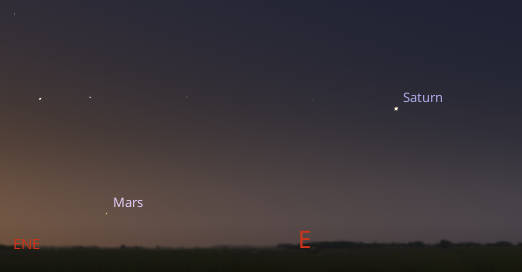
This is Ephemeris for Wednesday, July 15th. Today the Sun will be up for 15 hours and 13 minutes, setting at 9:25, and it will rise tomorrow at 6:12. The Moon, 1 day past new, will set at 10:35 this evening. | Let’s take our weekly look at the whereabouts of the naked-eye planets. By 10 PM tonight, a half-hour after sunset, Venus will be easily seen in the western sky. A telescope will show a very tiny gibbous disc of Venus because it is now closer than the Sun, at 86.9 million miles (139.9 million kilometers) away from us. Over the next nearly 3½ months, it will be moving closer to us and becoming much larger. In the morning, Saturn and Mars will be visible in the southeast and east, respectively. The Earth is now chasing down Mars, and later this year the launch window will open to send spacecraft to the Red Planet. Mars will be next closest to the Earth and opposite the sun in the sky next February.
The astronomical event times given in this blog are for the Traverse City/Interlochen area of Michigan (Lat 44.7° N, Long 85.7° W; EDT, UT – 4 hours) unless stated otherwise. Times will be different for other locations.
Addendum


Ephemeris: 07/14/2026 – What the bright star Antares’ name means
This is Bob Moler with Ephemeris for Tuesday, July 14th. Today the Sun will be up for 15 hours and 15 minutes, setting at 9:26, and it will rise tomorrow at 6:11. The Moon is new today and won’t be visible.
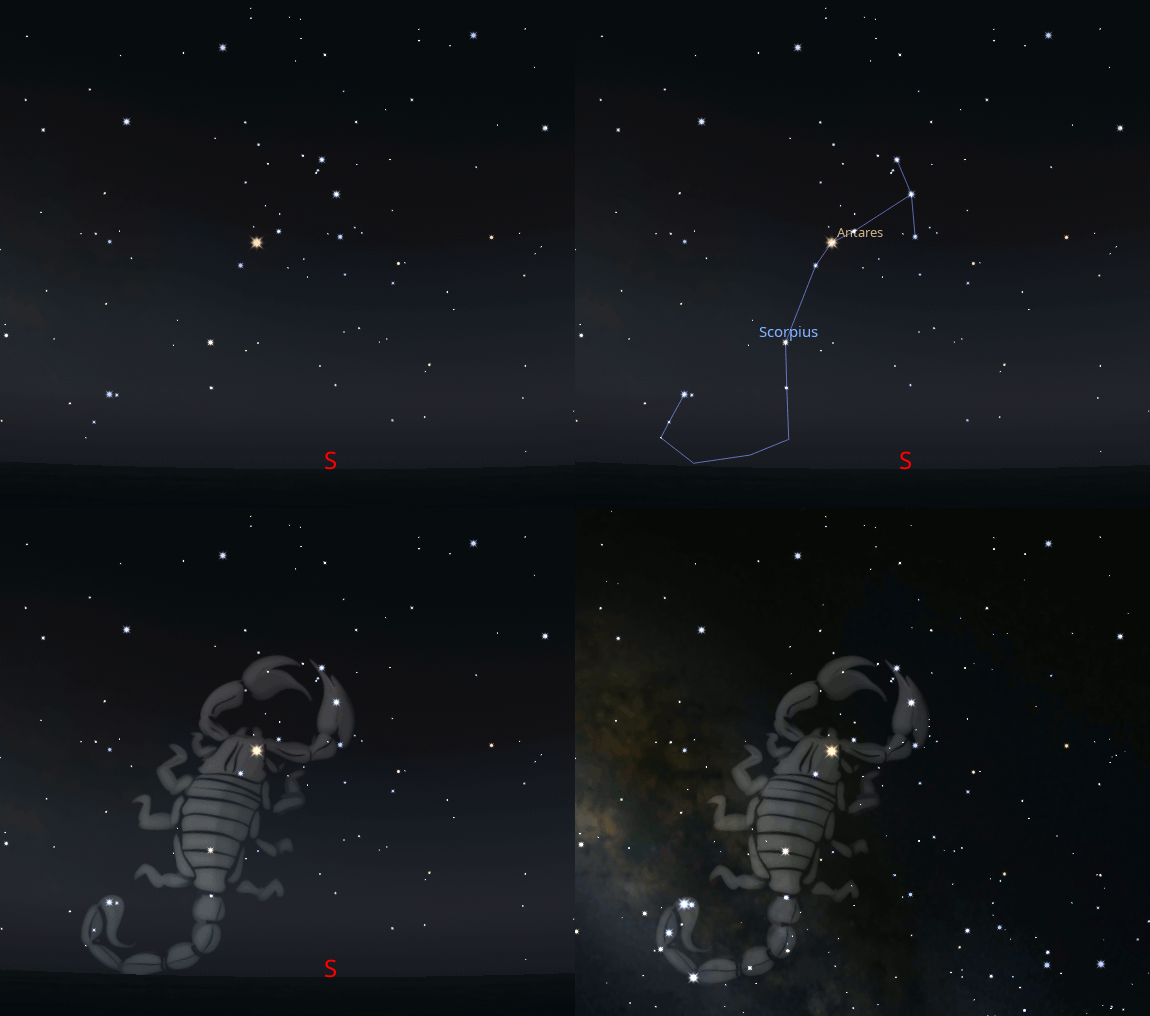
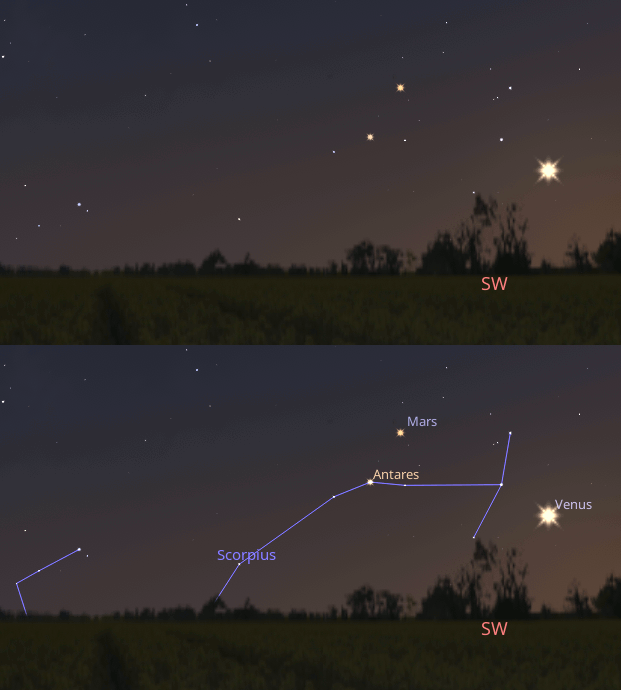
The constellation of Scorpius the scorpion is low in the south at 11 PM these nights. Its bright star Antares will pass due south around 10:30 this evening. Antares is an interesting star in that it is a red giant star, and its name, Antares, means “Rival of Mars,” alluding to the fact that it and Mars appear to be the same color. A little translation is needed here: “Ant” is anti, against, “Ares” is the Greek god of war that the Romans appropriated as Mars. About every two years, Mars passes near Antares, so unless you know your stars and planets, you could mistake them for each other. Antares lies at the heart of the scorpion. To its upper right is the front part of its body and claws, and the trail of stars running down the other way, nearly to the horizon, in the south and back up in the south-southeast to the two stars of its stinger, make up its characteristic tail.
The astronomical event times given in this blog are for the Traverse City/Interlochen area of Michigan (Lat 44.7° N, Long 85.7° W; EDT, UT – 4 hours) unless stated otherwise. Times will be different for other locations.
Addendum
Ephemeris: 07/08/2026 – Taking our weekly look at the whereabouts of the naked-eye planets
This is Ephemeris for Wednesday, July 8th. Today the Sun will be up for 15 hours and 23 minutes, setting at 9:29, and it will rise tomorrow at 6:06. The Moon, 1 day past last quarter, will rise at 1:26 tomorrow morning.
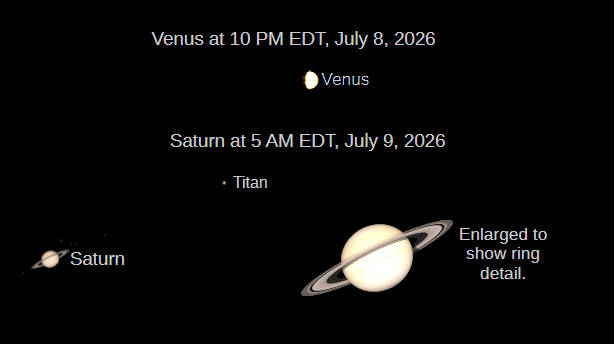
Let’s take our weekly look at the whereabouts of the naked-eye planets. By 10 PM tonight, a half-hour after sunset, Venus will be easily seen in the western sky. A telescope will show a very tiny gibbous disc of Venus, because it is just a little bit closer than the Sun, at 92.0 million miles (148 million kilometers) away from us. Over the next nearly 3½ months, it will be moving closer to us and becoming much larger. In the morning, Saturn and Mars will be visible, in the southeast and east respectively. The Earth is now chasing down Mars, and later this year the launch window will open to send spacecraft to the Red Planet. Mars will be next closest to the Earth and at opposition with the sun in February next year.
The astronomical event times given in this blog are for the Traverse City/Interlochen area of Michigan (Lat 44.7° N, Long 85.7° W; EDT, UT – 4 hours) unless stated otherwise. Times will be different for other locations.
Addendum
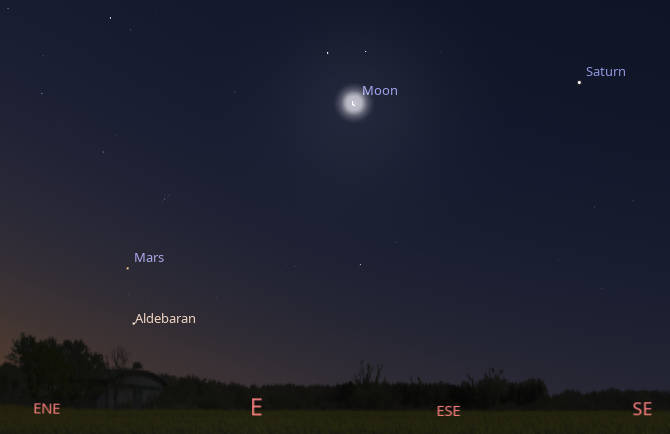
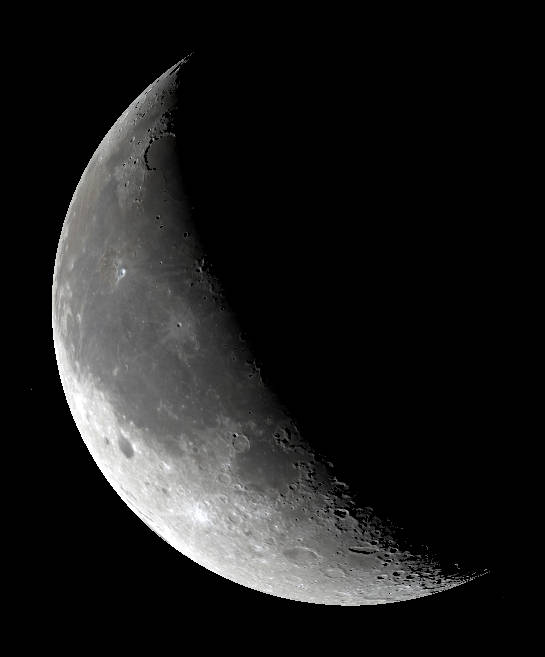
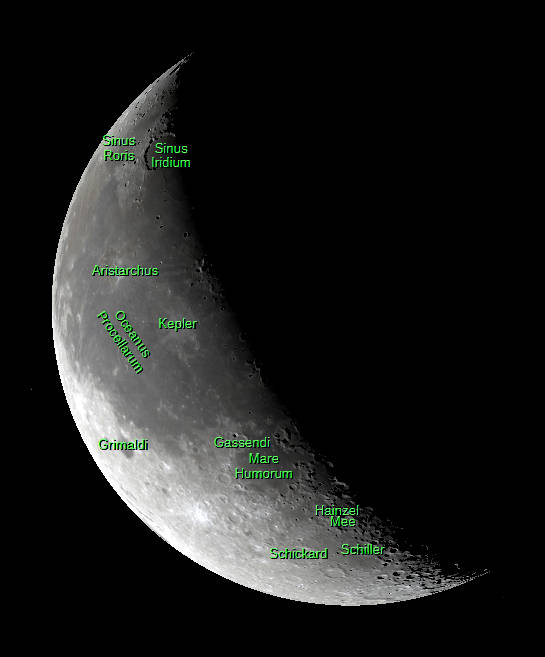
Ephemeris: 07/01/2026 – Taking our weekly look at the whereabouts of the naked-eye planets
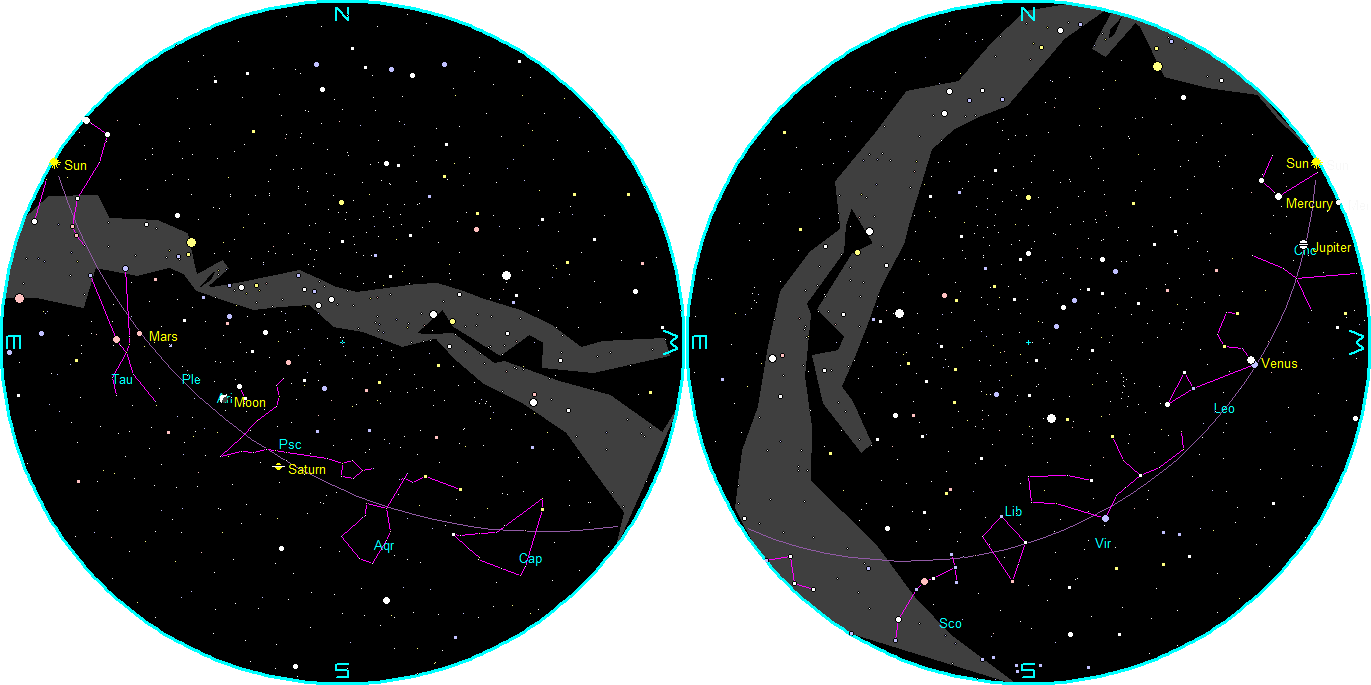
This is Ephemeris for Wednesday, July 1st. Today the Sun will be up for 15 hours and 30 minutes, setting at 9:32, and it will rise tomorrow at 6:01. The Moon, 2 days past full, will rise at 11:01 this evening.
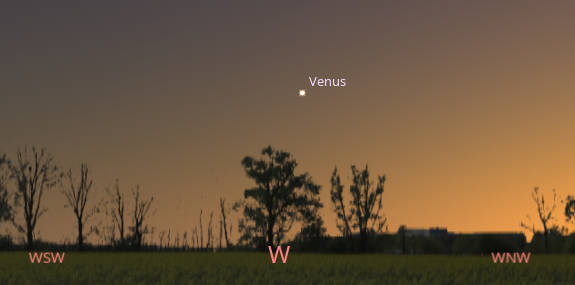
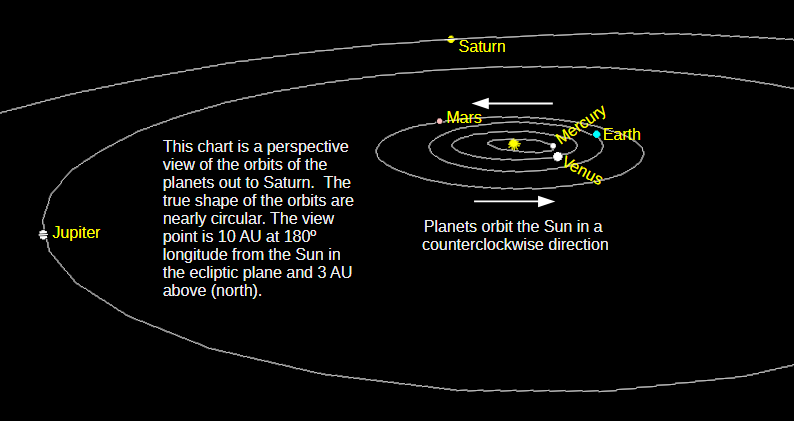
Let’s take our weekly look at the whereabouts of the naked-eye planets. By 10:30 PM tonight, nearly an hour after sunset, Venus is easily seen in the western sky, with Jupiter barely above the horizon, and may not be visible. A telescope will show a very tiny gibbous disc of Venus, because it is still pretty much beyond the Sun, 97 million miles (156 million kilometers) away from us. Over the next nearly 4 months it will be moving closer to us and becoming much larger. In the morning, Saturn will rise at 1:41 AM, followed by dimmer Mars nearly 2 hours later. The Earth is now chasing down Mars, and later this year the launch window will open to send spacecraft to the Red Planet. Mars will be next closest to the Earth in February next year.
The astronomical event times given in this blog are for the Traverse City/Interlochen area of Michigan (Lat 44.7° N, Long 85.7° W; EDT, UT – 4 hours) unless stated otherwise. Times will be different for other locations.
Addendum
Ephemeris: 06/24/2026 – Where are the naked-eye planets this week?
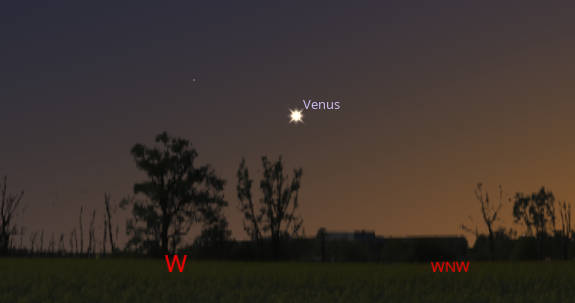
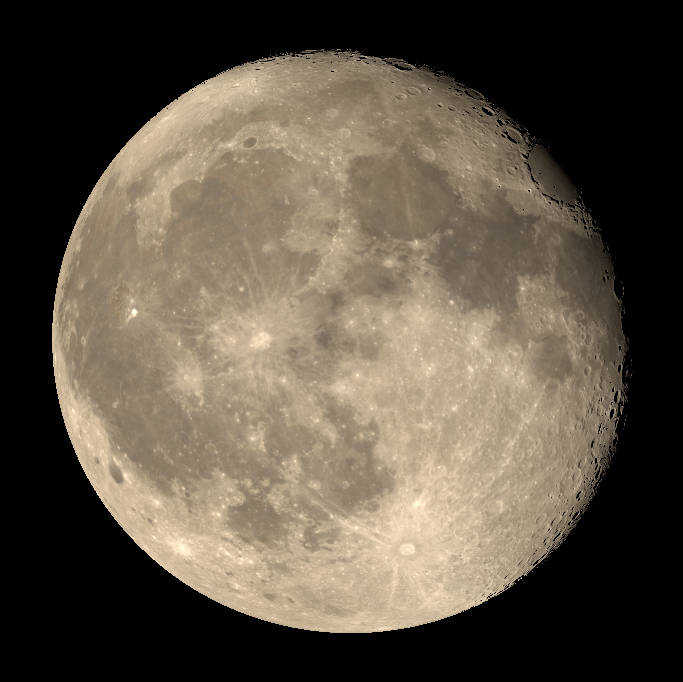
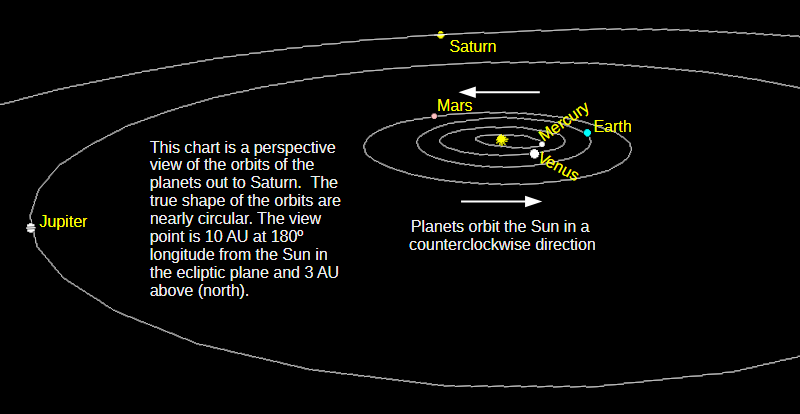
This is Ephemeris for Wednesday, June 24th. Today the Sun will be up for 15 hours and 34 minutes, setting at 9:32, and it will rise tomorrow at 5:58. The Moon, 3 days past first quarter, will set at 2:36 tomorrow morning.
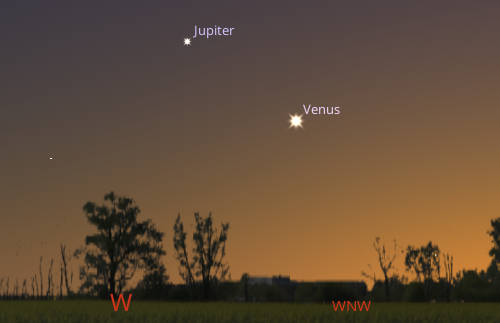
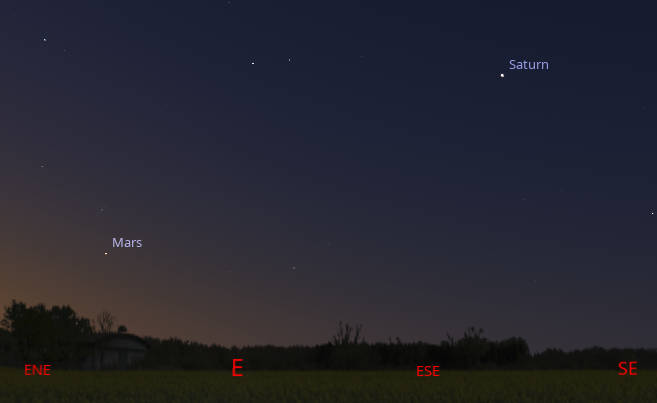
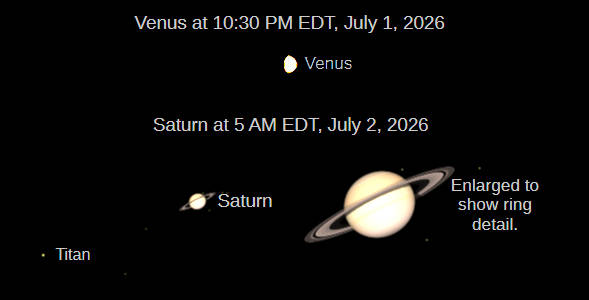
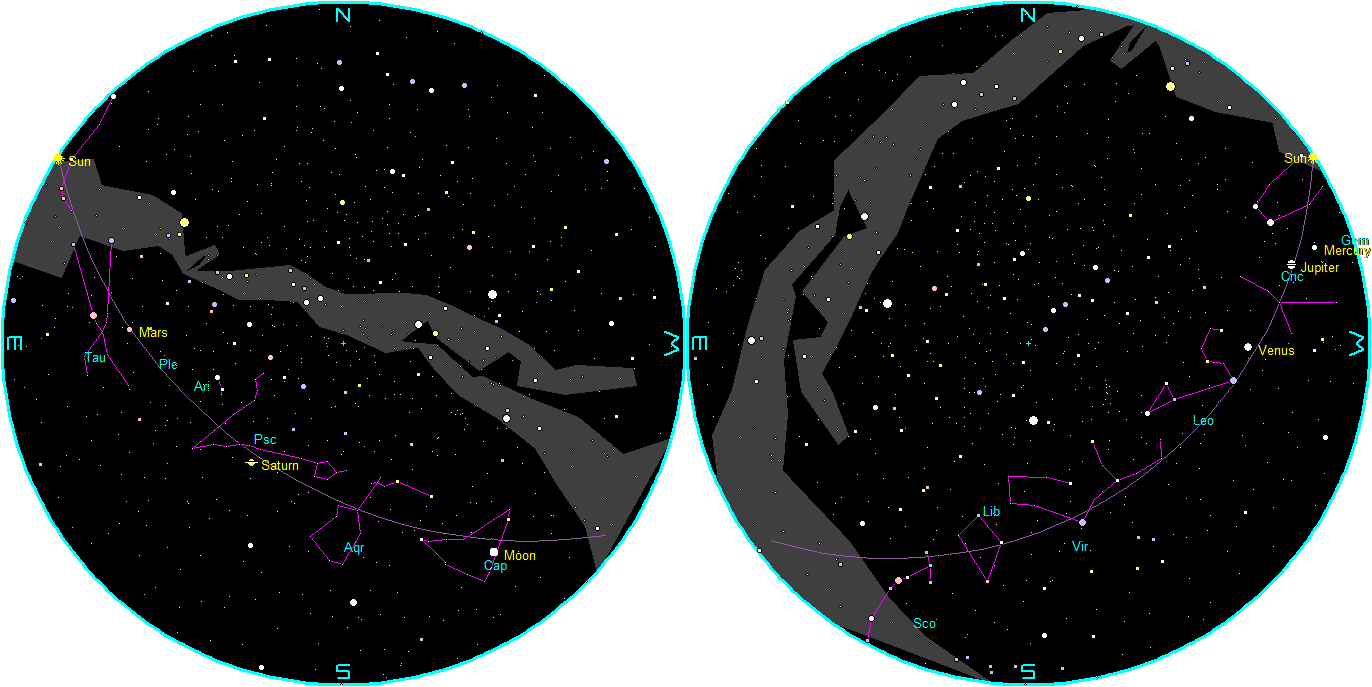
Let’s take our weekly look at the whereabouts of the naked-eye planets. By 10:30 PM tonight, nearly an hour after sunset, Venus and Jupiter are seen in the western sky, with Jupiter below and right of the brighter Venus. Mercury, though being just above the horizon at that time, is completely overcome by the twilight. A telescope will show a very tiny gibbous disc of Venus, because it is still pretty much beyond the Sun, 102 million miles (164 million kilometers) away from us. Over the next 4 months it will be moving closer to us and becoming much larger. In the morning, Saturn will rise at 1:52 AM, followed by dimmer Mars nearly 2 hours later. The Earth is now chasing down Mars, and soon the launch window will open to send spacecraft to the Red Planet.
The astronomical event times given in this blog are for the Traverse City/Interlochen area of Michigan (Lat 44.7° N, Long 85.7° W; EDT, UT – 4 hours) unless stated otherwise. Times will be different for other locations.
Addendum
Ephemeris: 06/17/2026 – Checking out all the naked-eye planets for this week.
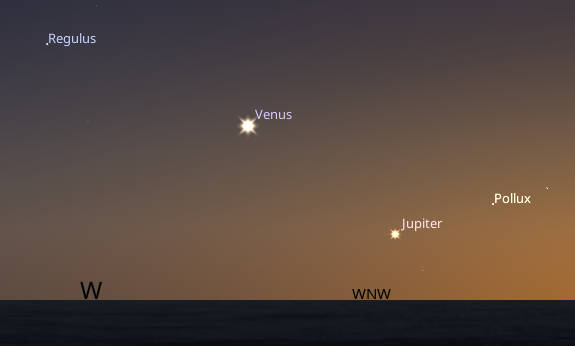
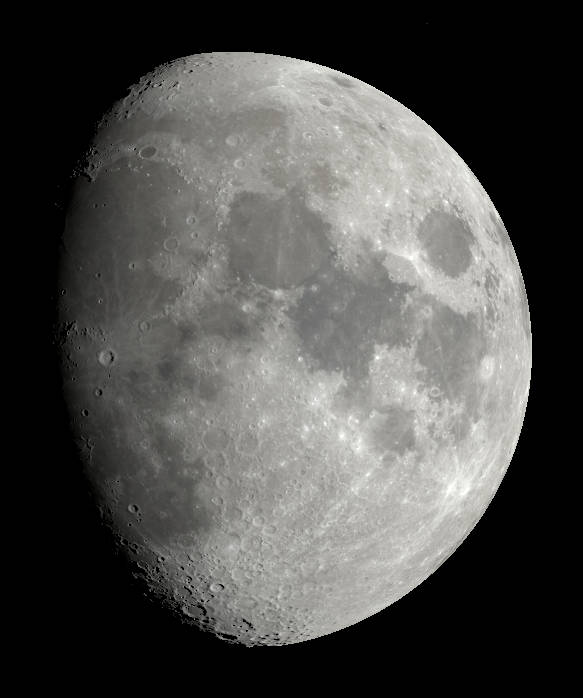
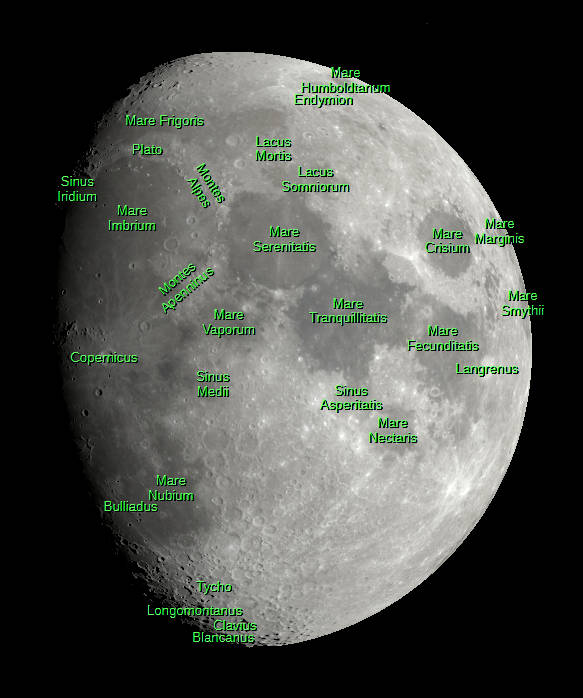
This is Ephemeris for Wednesday, June 17th. Today the Sun will be up for 15 hours and 34 minutes, setting at 9:31, and it will rise tomorrow at 5:56. The Moon, 3 days past new, will set at 12:09 tomorrow morning.
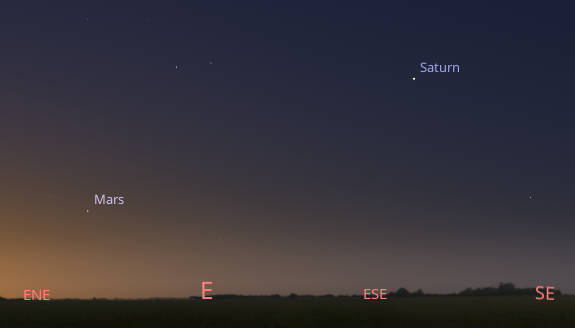
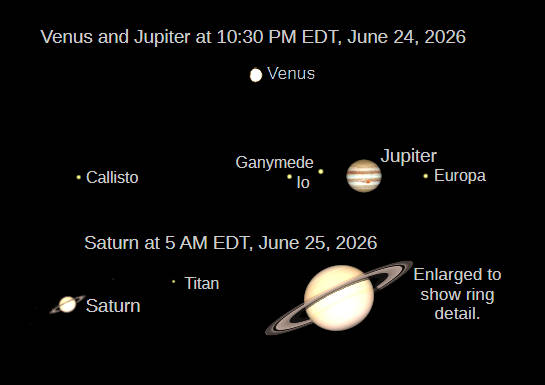
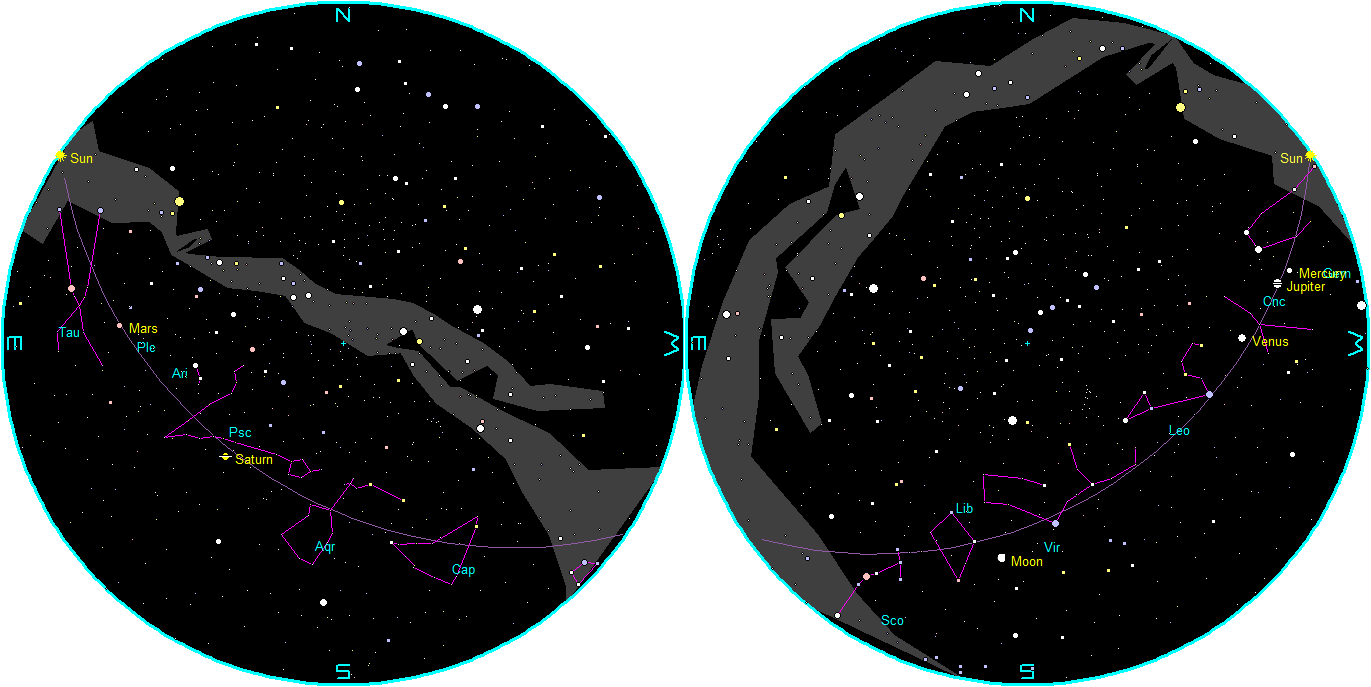
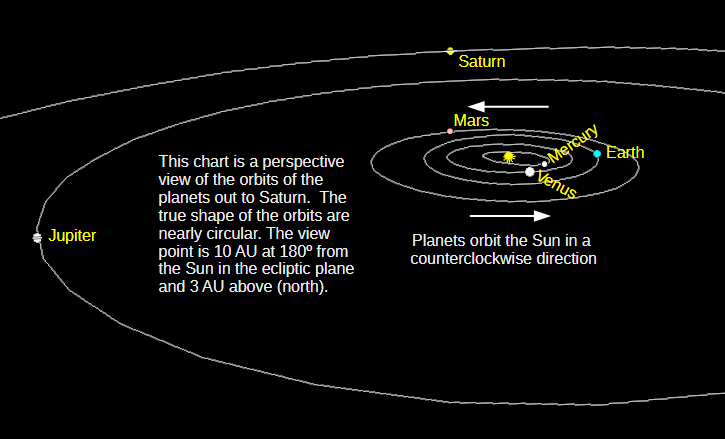
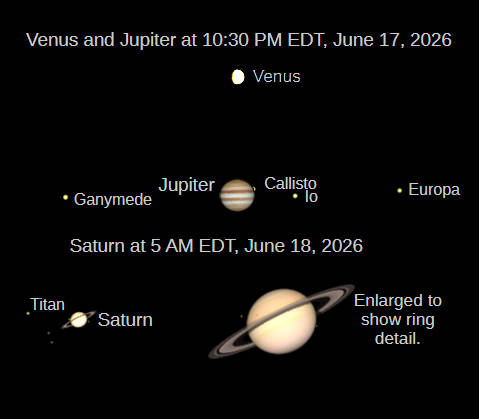
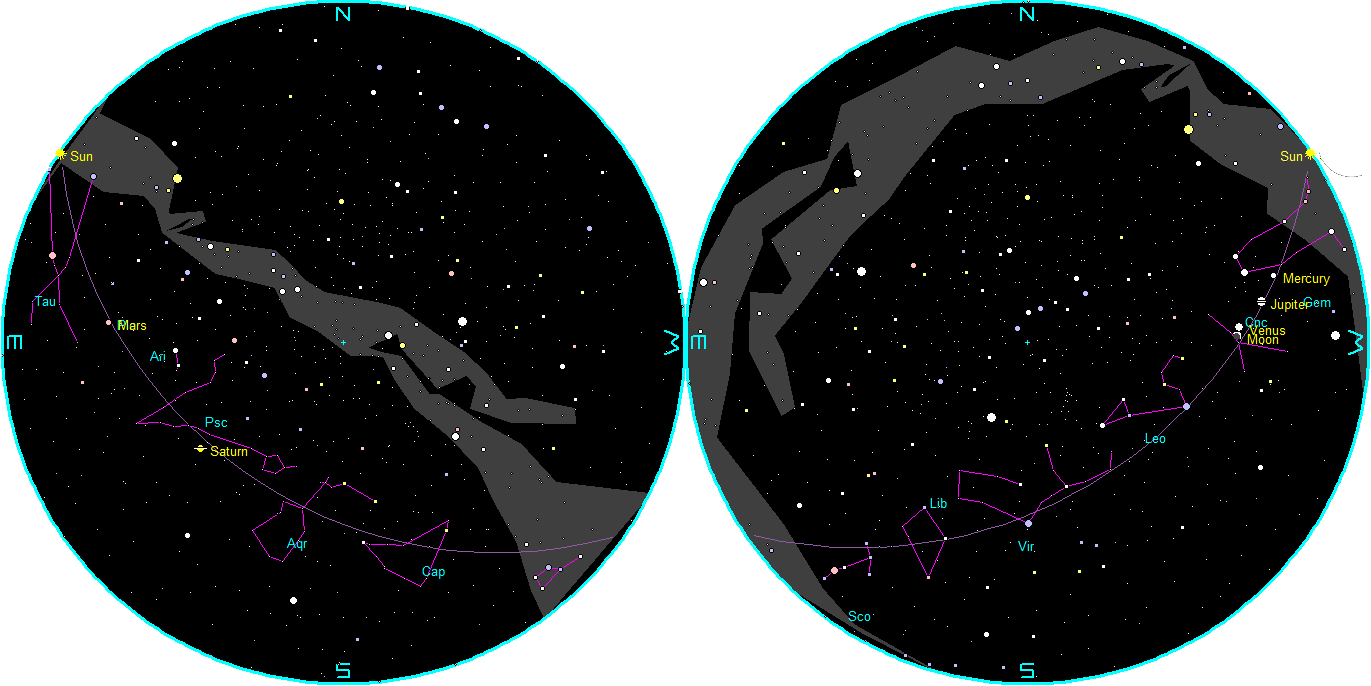
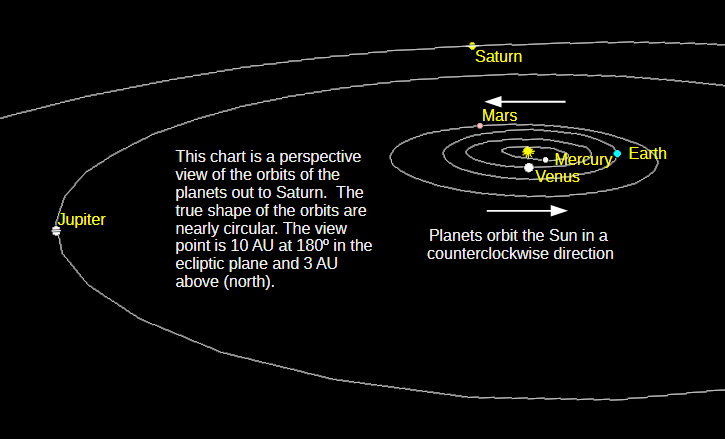
Let’s take our weekly look at the whereabouts of the naked-eye planets. By 10:15 PM tonight, nearly an hour after sunset, Venus and Jupiter, and even Mercury may be seen in the western sky, with Jupiter below and right of the brighter Venus, and Mercury below and right of Jupiter. Jupiter appears to be chasing Mercury back toward the sun. But Mercury is getting dimmer, and will soon be lost in the twilight glow. A telescope will show a very tiny disc on Venus, because it is still pretty much beyond the Sun, 106 million miles (171 mil km) away from us. Over the next 4 months it will be moving closer to us and becoming much larger. In the morning, Saturn will rise at 2:37 AM, followed by dimmer Mars an hour and a half later.
The astronomical event times given in this blog are for the Traverse City/Interlochen area of Michigan (Lat 44.7° N, Long 85.7° W; EDT, UT – 4 hours) unless stated otherwise. Times will be different for other locations.
Addendum
Ephemeris: 06/10/2026 – Where are the naked-eye planets this week?
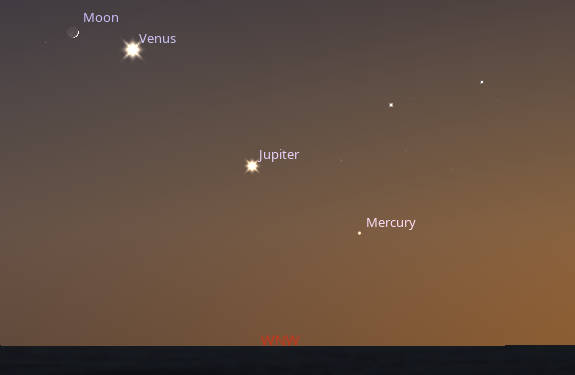
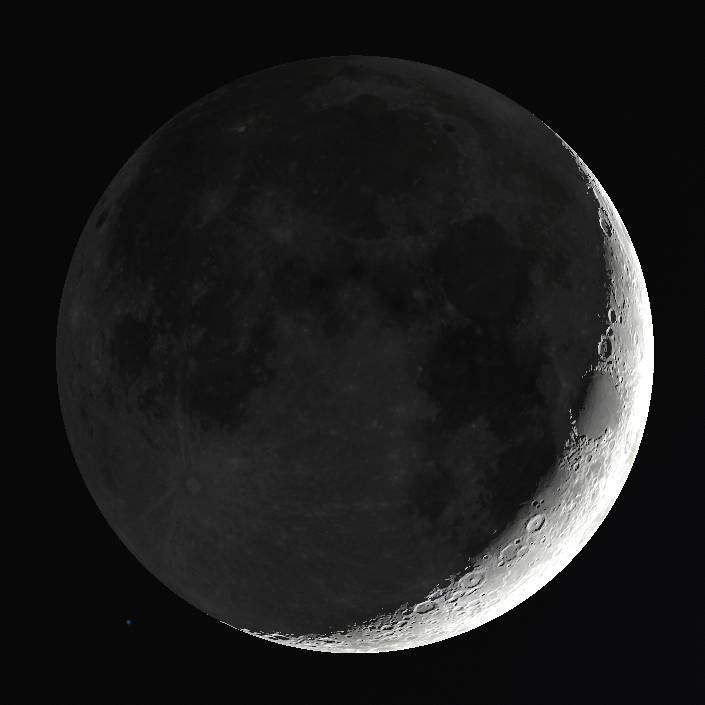
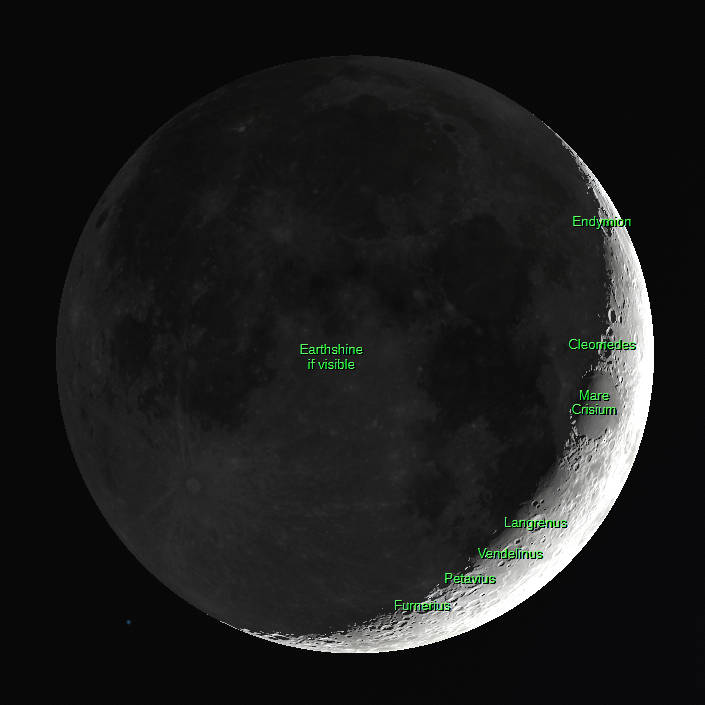
This is Ephemeris for Wednesday, June 10th. Today the Sun will be up for 15 hours and 30 minutes, setting at 9:27, and it will rise tomorrow at 5:56. The Moon, 2 days past last quarter, will rise at 3 o’clock tomorrow morning.
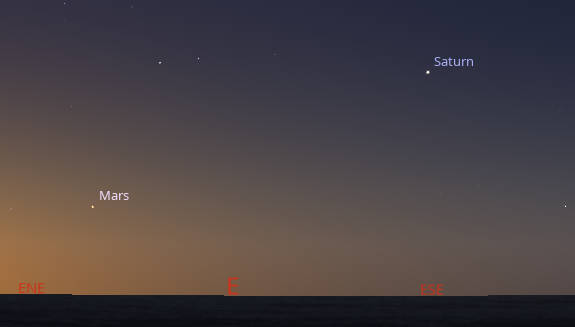
Let’s take our weekly look at the whereabouts of the naked-eye planets. By 10:15 PM tonight, nearly an hour after sunset, Venus and Jupiter may be seen in the western sky, with the brighter Venus above Jupiter. A telescope will show a very tiny disc on Venus, because it is still pretty much beyond the Sun, 111 million miles (179 million kilometers) away from us. Over the next 4 1/2 months it will be moving closer to us and becoming much larger. Mercury is marginally visible below and right of Venus and Jupiter. Jupiter now sets at 11:52 PM, with Venus setting ten minutes later. Saturn will rise into the eastern sky at 3:04 AM, followed by dimmer Mars an hour later.
The astronomical event times given in this blog are for the Traverse City/Interlochen area of Michigan (Lat 44.7° N, Long 85.7° W; EDT, UT – 4 hours) unless stated otherwise. Times will be different for other locations.
Addendum
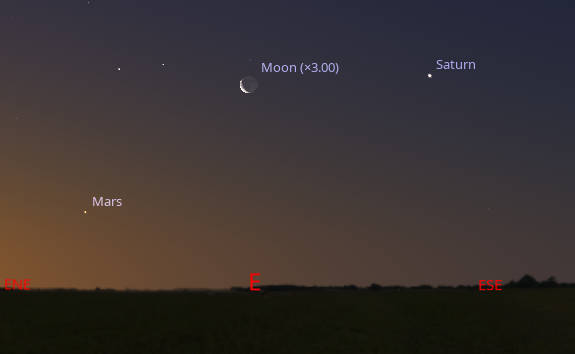
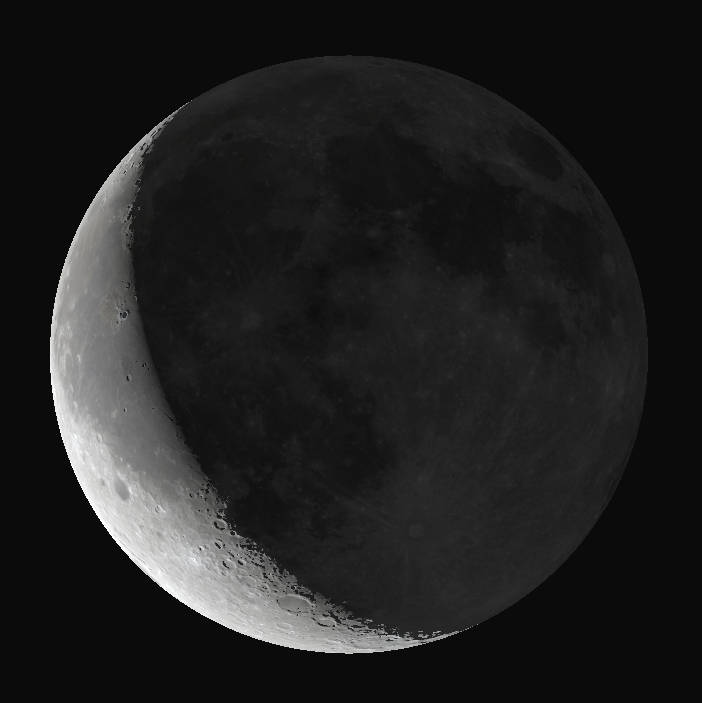
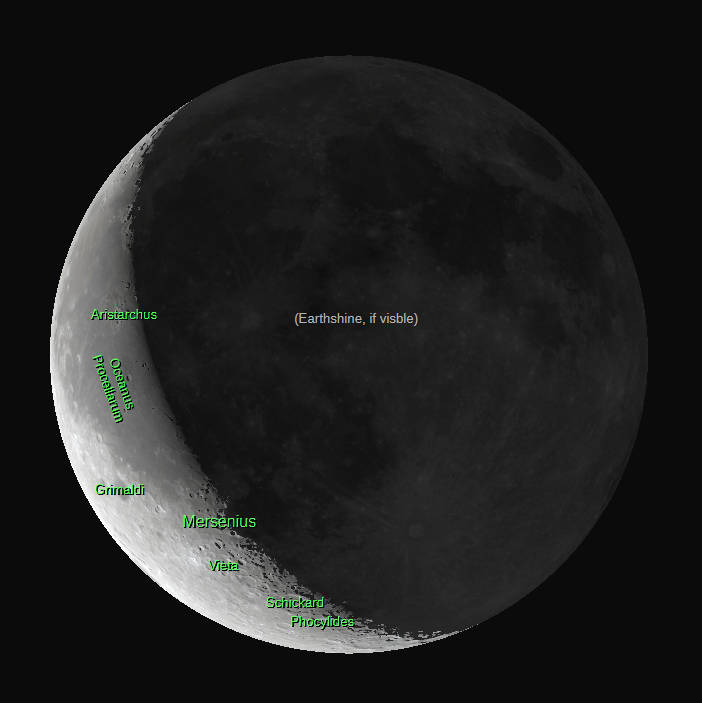
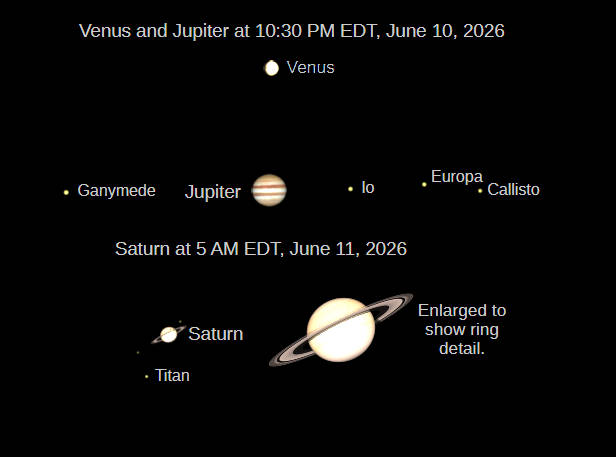
Ephemeris: 06/03/2026 – Where are the naked-eye planets this week?
This is Ephemeris for Wednesday, June 3rd. Today the Sun will be up for 15 hours and 23 minutes, setting at 9:23, and it will rise tomorrow at 5:58. The Moon, 3 days past full, will rise at 12:29 tomorrow morning.
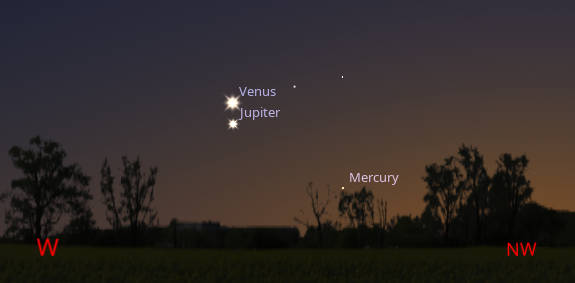
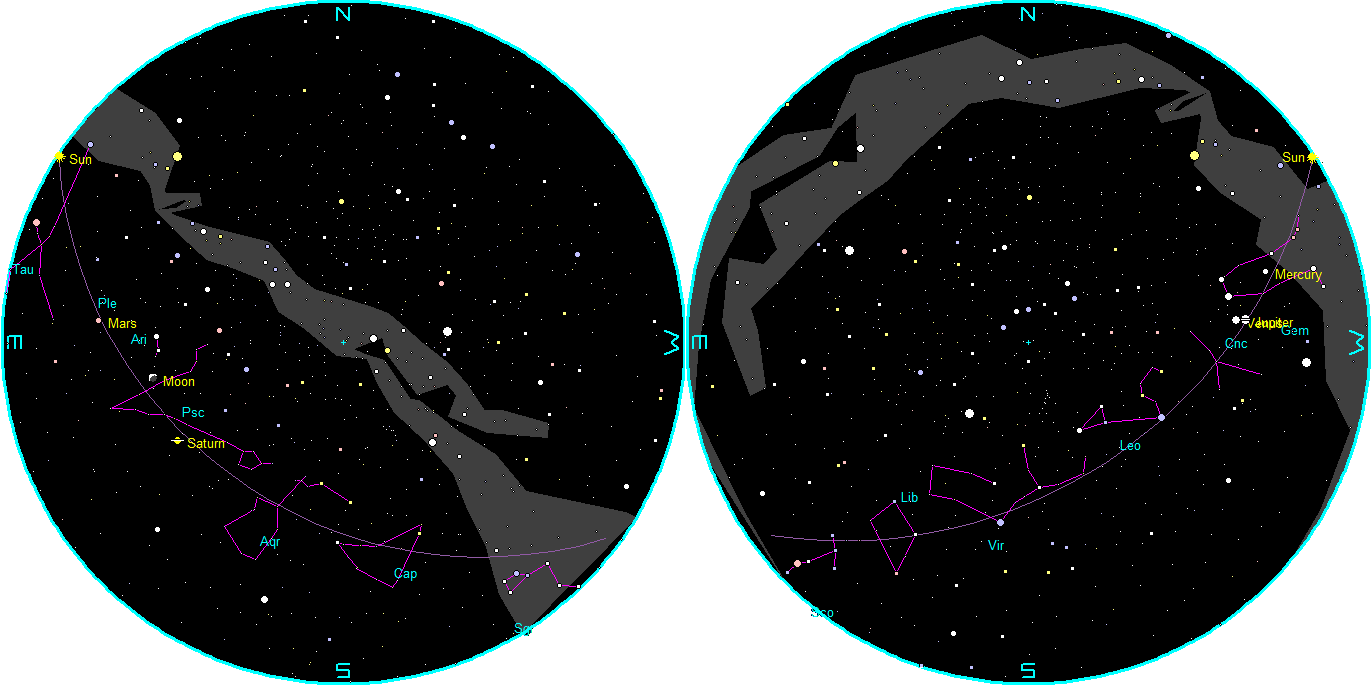
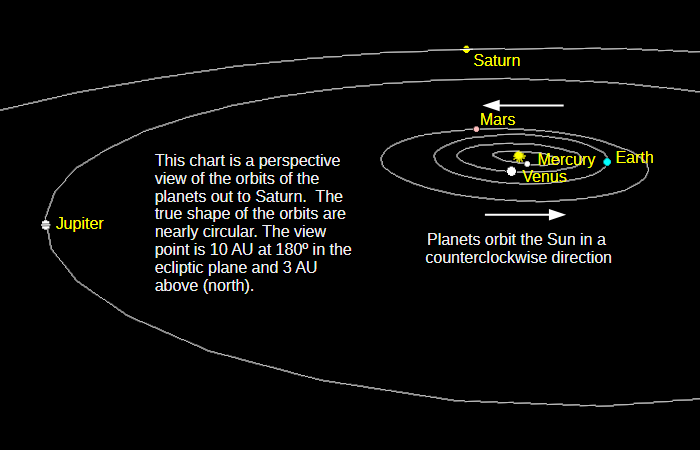
Let’s take our weekly look at the whereabouts of the naked-eye planets. By 10:15 PM tonight, nearly an hour after sunset, Venus and Jupiter may be seen in the western sky. A telescope will show a very tiny disc on Venus, because it is still pretty much beyond the Sun, 115 million miles (186 million kilometers) away from us. Over the next 4½ months it will be moving closer to us and becoming much larger. Jupiter is to the upper left of Venus, and the second-brightest star-like object in the sky. Venus will set at 12:05 AM, while Jupiter will hold out ten minutes longer. Venus will pass Jupiter on the afternoon of the 9th. Saturn rises into the eastern sky at 3:27 AM, followed by dimmer Mars an hour later.
The astronomical event times given in this blog are for the Traverse City/Interlochen area of Michigan (Lat 44.7° N, Long 85.7° W; EDT, UT – 4 hours) unless stated otherwise. Times will be different for other locations.
Addendum
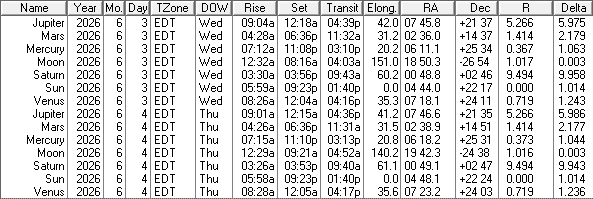
Ephemeris: 05/27/2026 – Taking our weekly look at the whereabouts of the naked-eye planets
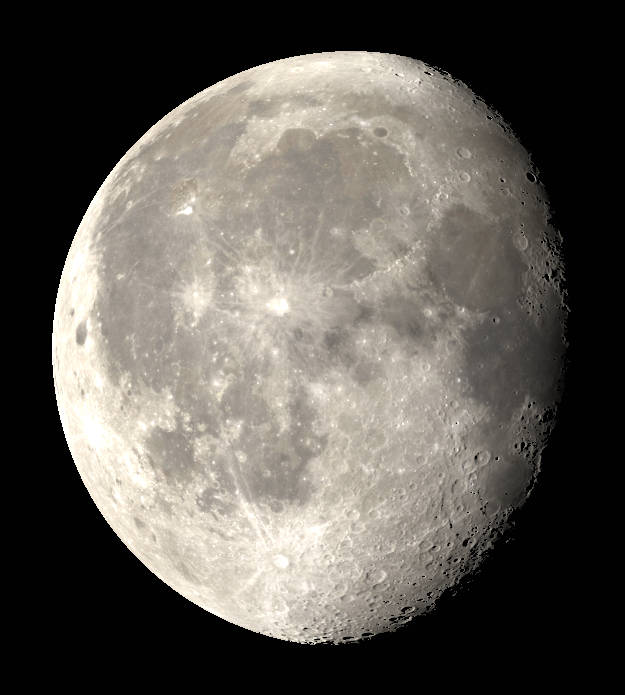
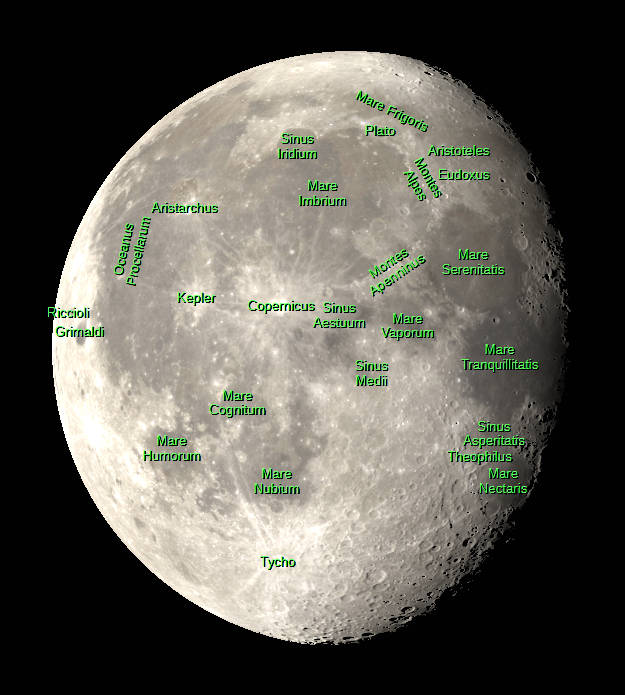
This is Bob Moler with Ephemeris for Wednesday, May 27th. Today the Sun will be up for 15 hours and 13 minutes, setting at 9:17, and it will rise tomorrow at 6:02. The Moon, halfway from first quarter to full, will set at 4:08 tomorrow morning.
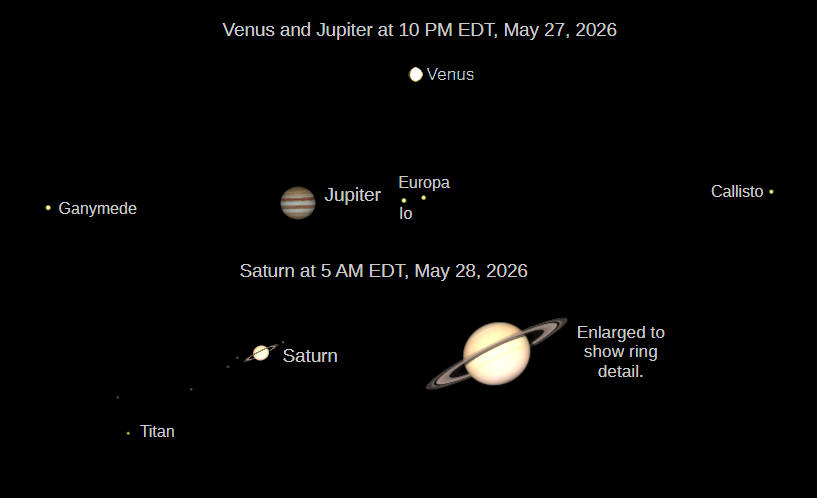
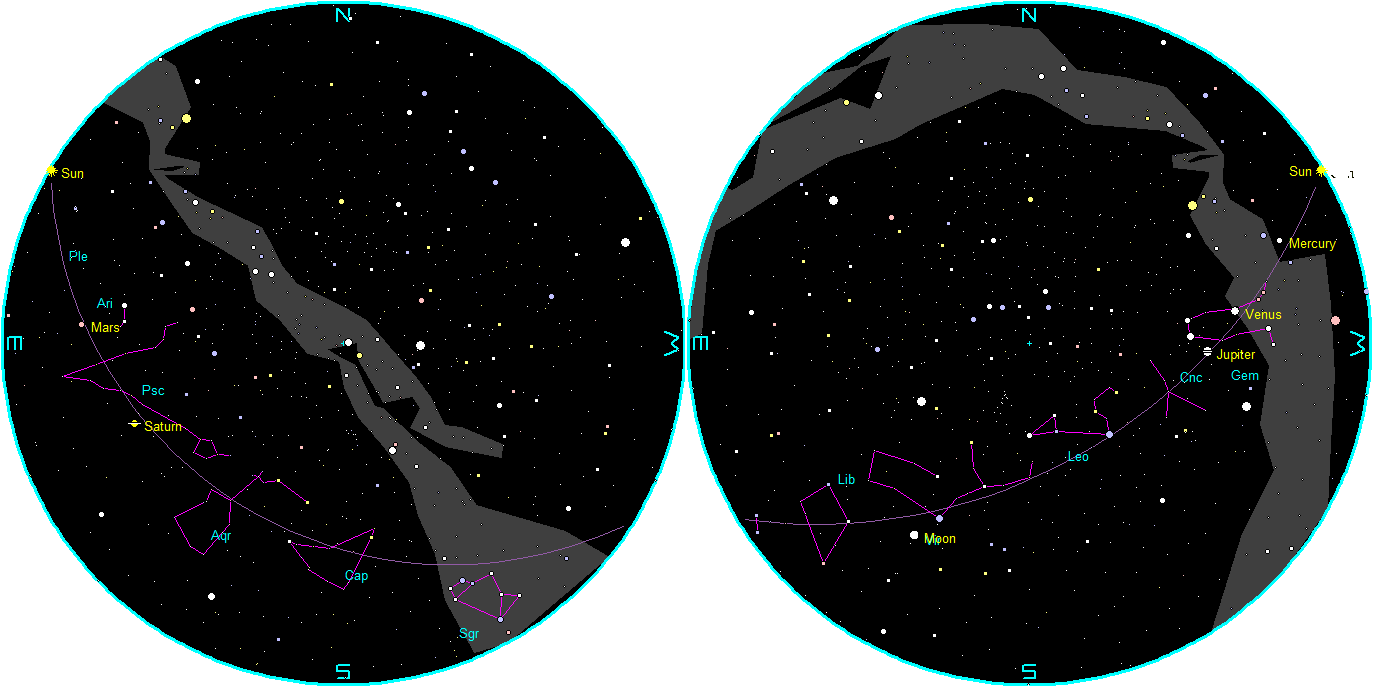
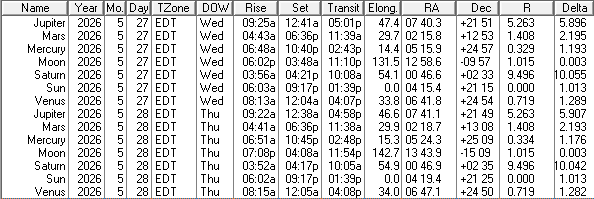
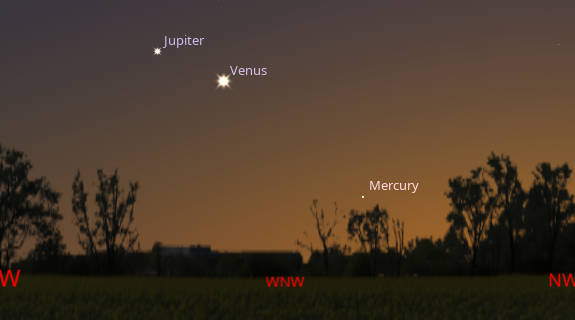
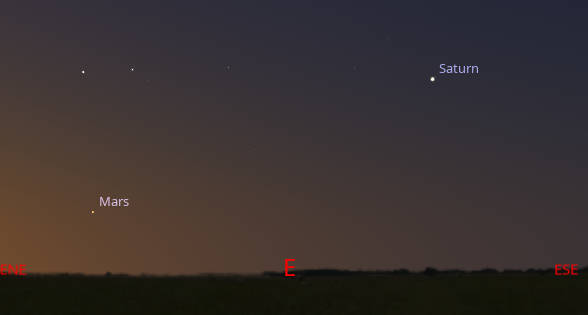
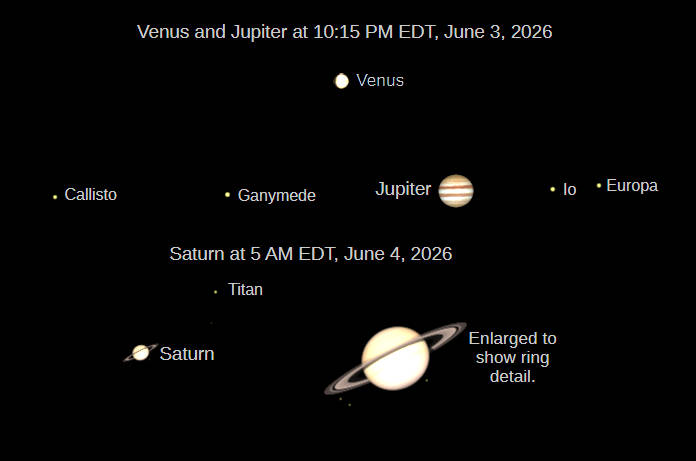
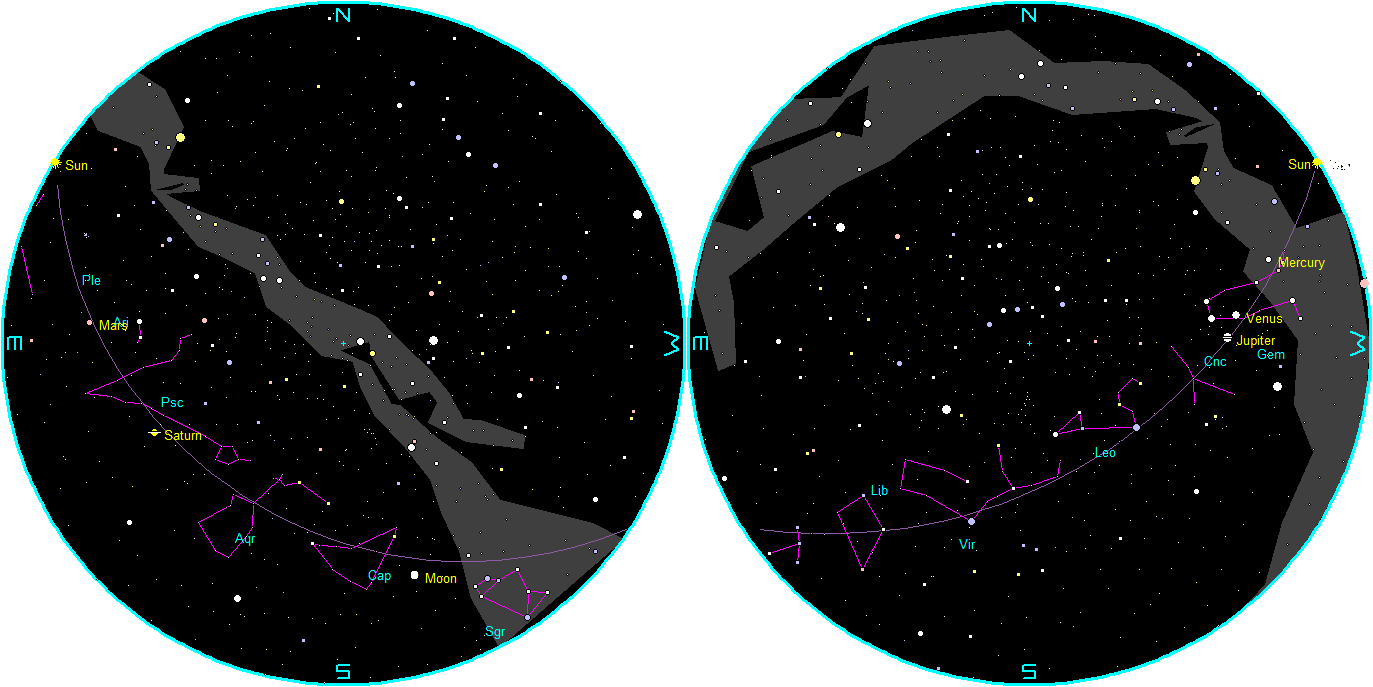
Let’s take our weekly look at the whereabouts of the naked-eye planets. By 10 PM tonight, about 40 minutes after sunset, Venus may be seen in the western sky. A telescope will show a very tiny disc on Venus, because it is still pretty much beyond the Sun, 120 million miles (193 million km) away from us. Over the next 5 months it will be moving closer to us and becoming much larger. Jupiter is the second-brightest star-like object in the western sky seen before 10 PM. It is above and left of Venus tonight. Venus will set at 12:04 AM, while Jupiter will hold out until 12:41 AM. Saturn rises in the east at 3:52 AM, followed by dimmer Mars at 4:42 AM.
The astronomical event times given in this blog are for the Traverse City/Interlochen area of Michigan (Lat 44.7° N, Long 85.7° W; EDT, UT – 4 hours) unless stated otherwise. Times will be different for other locations.
Addendum