Archive
04/29/2021 – Ephemeris – A star cluster that seems out of place
This is Bob Moler with Ephemeris for Thursday, April 29th. Today the Sun will be up for 14 hours and 10 minutes, setting at 8:45, and it will rise tomorrow at 6:33. The Moon, 3 days past full, will rise at 12:25 tomorrow morning.
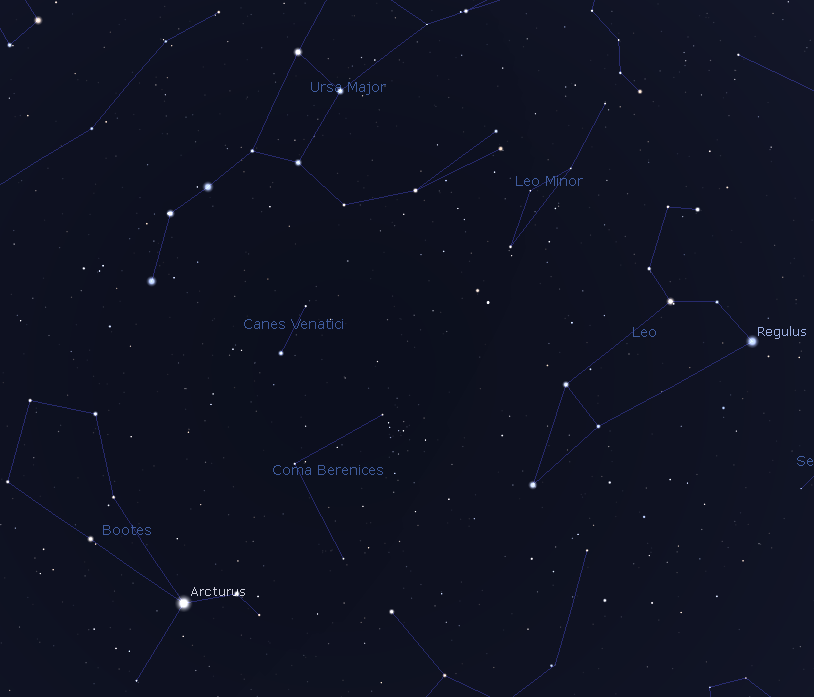
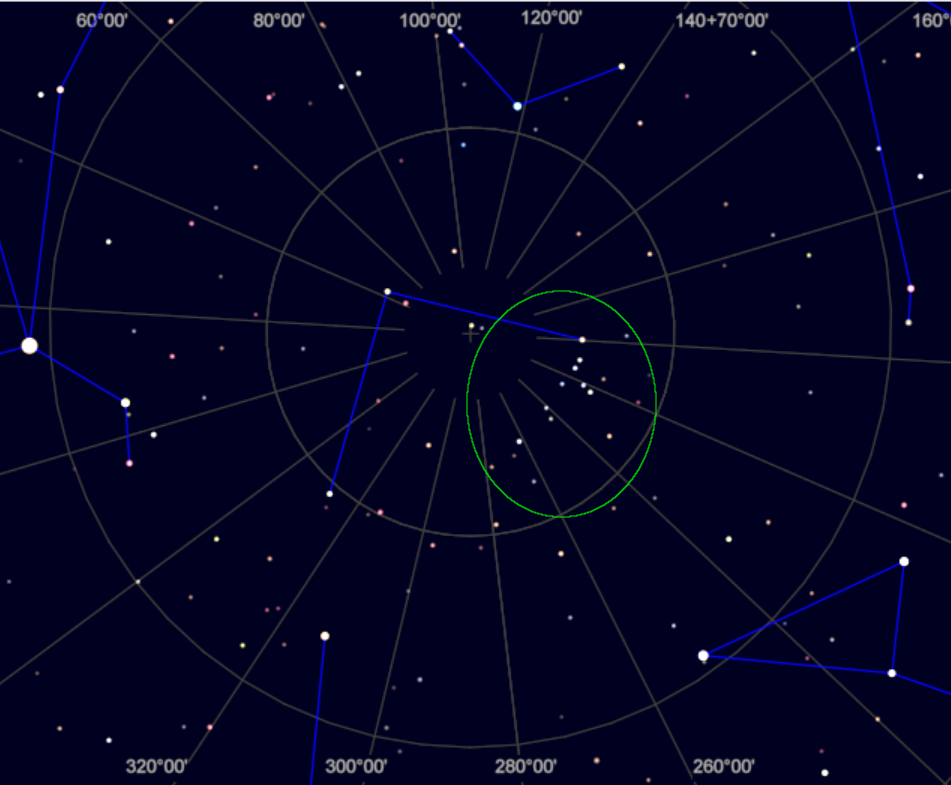
Looking to the southeast these nights one can find the dim constellation of Coma Berenices, or Berenice’s hair. It’s located near the bottom of a triangle between Leo, Boötes the Big Dipper. It’s best seen on a moonless night as a sprinkling of faint stars that look like strands of hair. It is a star cluster some 271 light years away, the second-closest star cluster to the Earth, after the Hyades that marks the face of Taurus the bull, at about 160 light years. Coma Berenices is located at an odd spot for an open or galactic star cluster. It’s as far from the milky band as you can get. Most galactic star clusters are close or in that band. However, due to its closeness Coma Berenices is north of the solar system, as we both orbit the center of the Milky Way.
The astronomical event times given are for the Traverse City/Interlochen area of Michigan. They may be different for your location.
Addendum
04/28/2021 – Ephemeris – Searching for the naked-eye planets for this week
This is Ephemeris for Wednesday, April 28th. Today the Sun will be up for 14 hours and 7 minutes, setting at 8:44, and it will rise tomorrow at 6:35. The Moon, 2 days past full, will rise at 11:06 this evening.
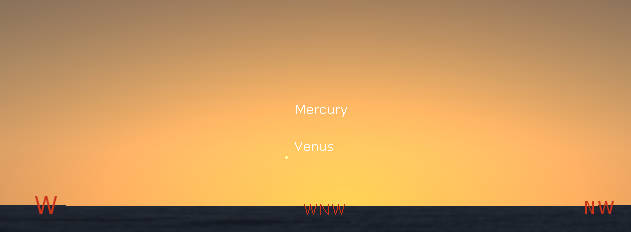
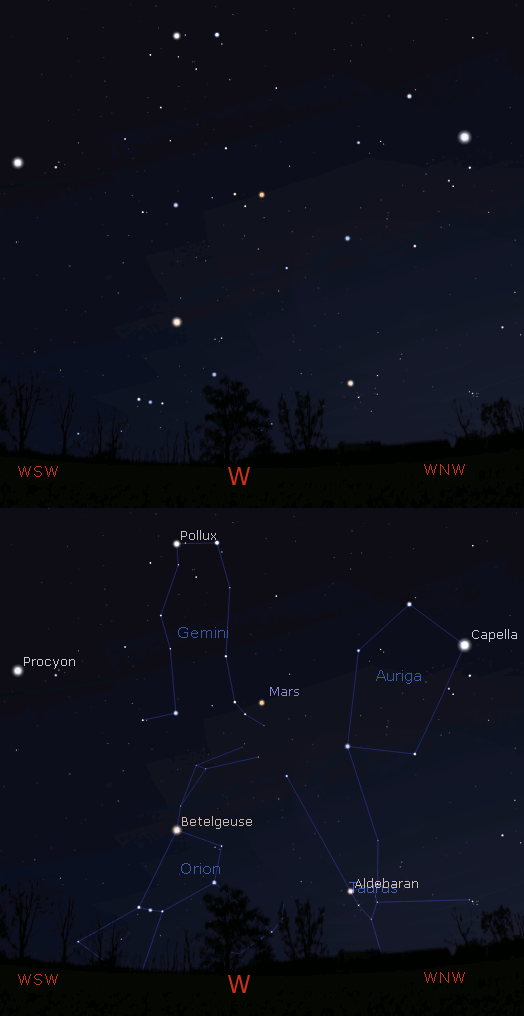
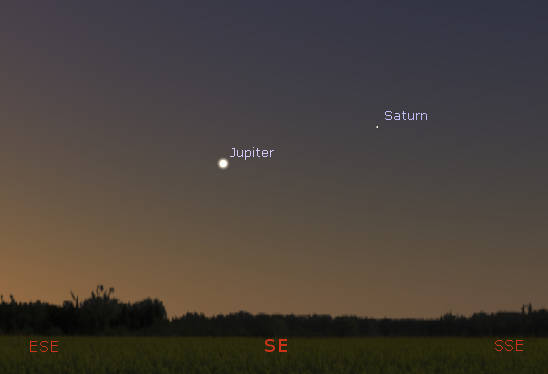
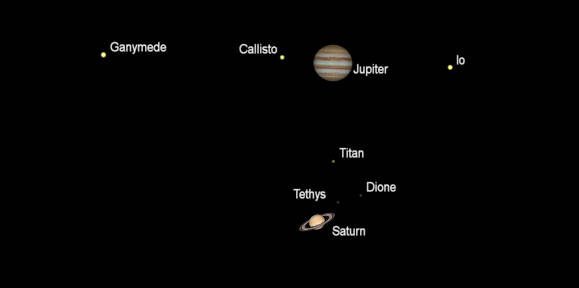
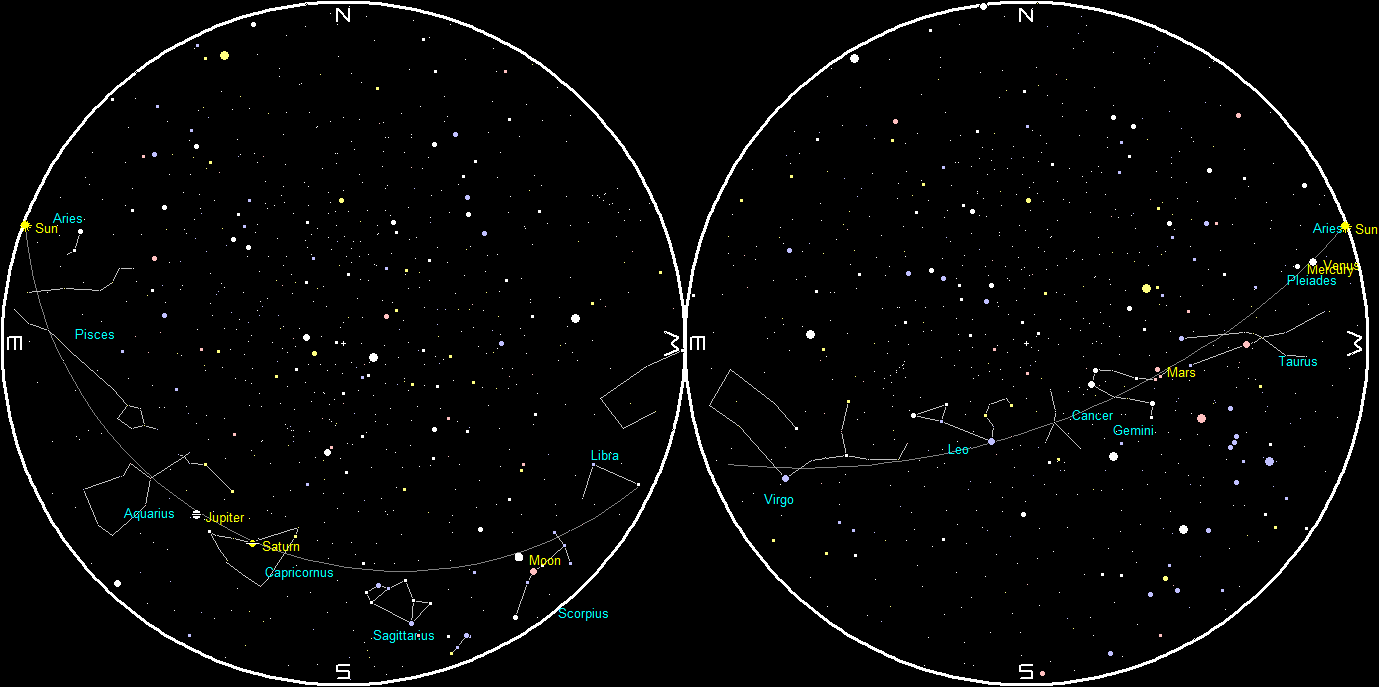
Let’s search for the naked-eye planets for this week. Unfortunately the only one you’ll find in the evening is Mars. It can be found in the west at 10 pm tonight, in the constellation of Gemini the twins. Tonight it’s just above Castor’s foot. Mars will set at 1:21 am. Both Venus and Mercury are now just east of the Sun and to close to it to be spotted. Venus will be setting 43 minutes after sunset, with Mercury setting 27 minutes later. We should start spotting Mercury next week. It will be late May or early June before Venus will be easily seen. Jupiter and Saturn, are west of the Sun in the morning twilight. Saturn will rise at 3:24 am, with Jupiter rising at 4:03 am. By 6 am they will be low in the southeast. Jupiter, on the left, is the brighter of the two.
The astronomical event times given are for the Traverse City/Interlochen area of Michigan. They may be different for your location.
04/27/2021 – Ephemeris – What is the opposite of the Harvest Moon effect?
This is Bob Moler with Ephemeris for Tuesday, April 27th. Today the Sun will be up for 14 hours and 4 minutes, setting at 8:43, and it will rise tomorrow at 6:36. The Moon, 1 day past full, will rise at 9:43 this evening.
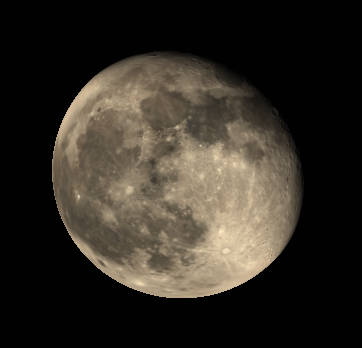
Let’s think back to last fall and the Harvest Moon. The big deal about the Harvest Moon is the Moon lingers, rising or being bright in twilight to help illuminate the harvesters of old by effective lengthening the effects of daylight. The spring bright Moon after full moon rises much later night to night. Six months ago the difference in the rise times of the Moon between the full moon and the next day was 20 minutes. Today the Moon will rise 96 minutes later than it did yesterday. The reason is the beside moving eastward, it is also moving southward to where the Sun was in late fall. So it rises much later each night than it did after full moon last fall. As it is the dark skies are moving to later and later in the evening due to the spring season and daylight time.
The astronomical event times given are for the Traverse City/Interlochen area of Michigan. They may be different for your location.
Addendum
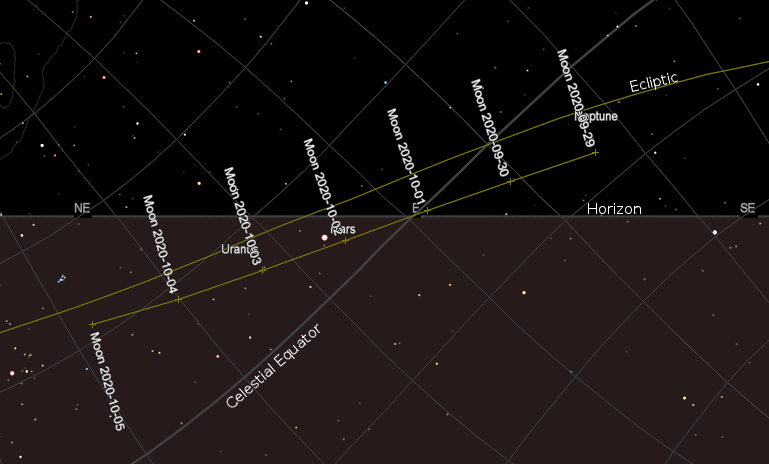
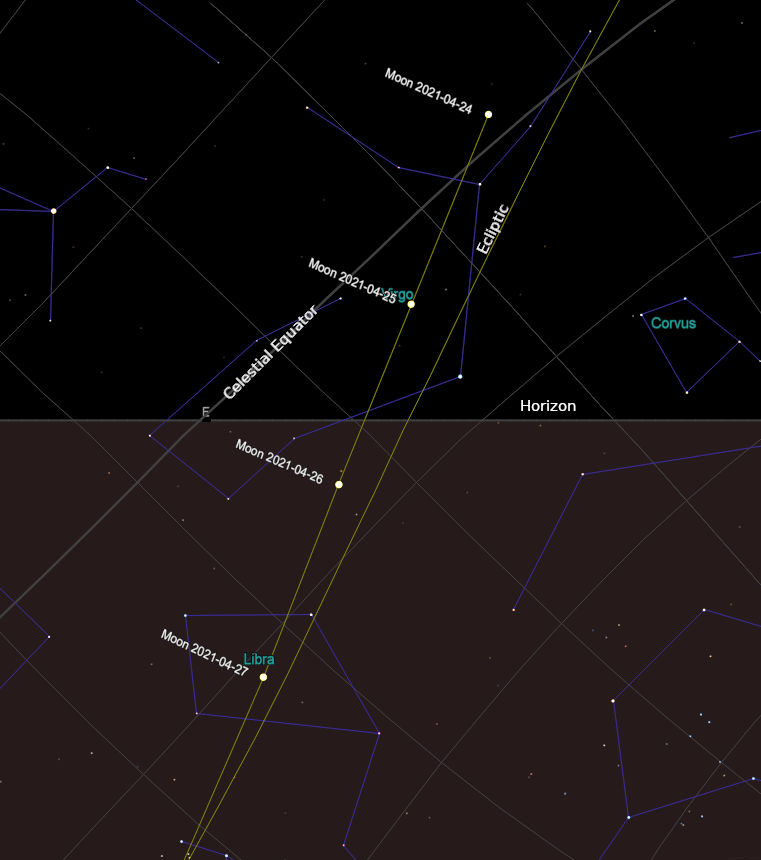
04/26/2021 – Ephemeris – There’s a full supermoon tonight
This is Ephemeris for Monday, April 26th. Today the Sun will be up for 14 hours and 2 minutes, setting at 8:41, and it will rise tomorrow at 6:38. The Moon, at full today, will rise at 8:19 this evening.
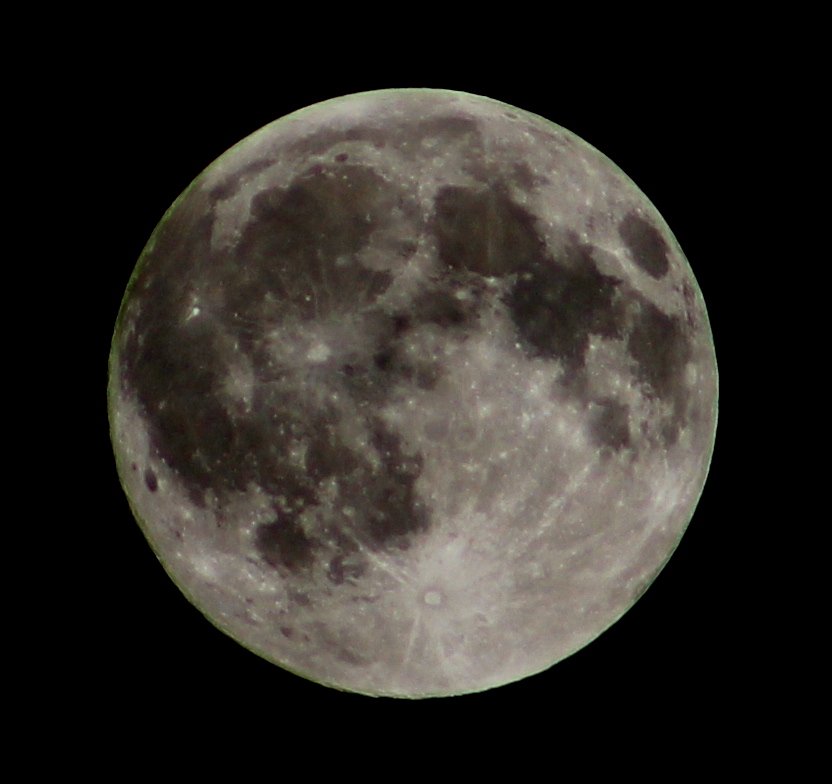
The full moon tonight is the full Pink Moon, and a supermoon. As down as I am about full moons due to the fact that they light up the sky and flood out the dimmer objects in the sky, I once in a while stop and view it. The time of the full moon is 11:31 tonight, so when it rises tonight we will be looking at the moon from very nearly the direction of the Sun, so there will be few shadows to be had. The crater Tycho is near the bottom or south end of the moon and has long rays of tiny ejecta craters. The full moon is the best time to see these rays, which are easily visible in binoculars, through which Tycho itself looks like a bright dot. In telescopes Tycho looks like a small bright crater with a dark ring around it. The full moon is super bright. It’s daytime over there.
The astronomical event times given are for the Traverse City/Interlochen area of Michigan. They may be different for your location.
Addendum
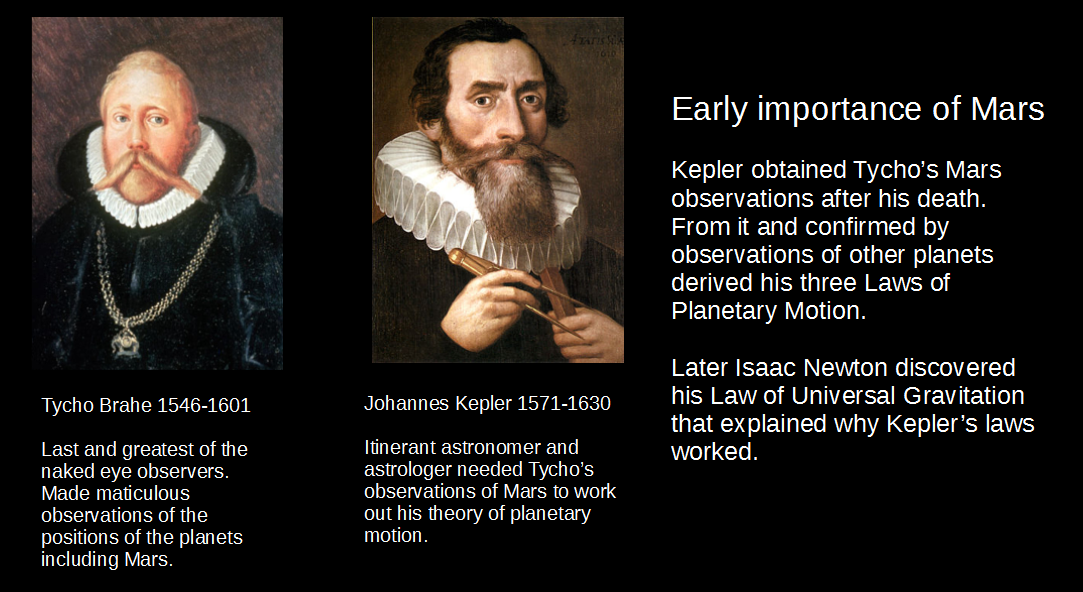
Tycho Brahe and Johannes Kepler are inexorably linked in astronomical history. Tycho was famously stingy with the results of his observations. It was only after his death that Kepler was able to have access to them. Mars was the planet that was hardest to model in both the Ptolemaic geocentric and Copernican heliocentric universes, since both assumed the planetary orbits were circular. So both resorted to epicycles in an attempt to tweak their models in an attempt to fit with observational reality.
Both Tycho and Kepler have craters named for them on the Moon. Tycho gets a splashy crater on the southern part of the Moon. Kepler, however, gets a small crater on the plains of Oceanus Procellarum west of the crater Copernicus on the left side of the Moon, as we see it
04/23/2021 – Ephemeris – The gibbous Moon tonight
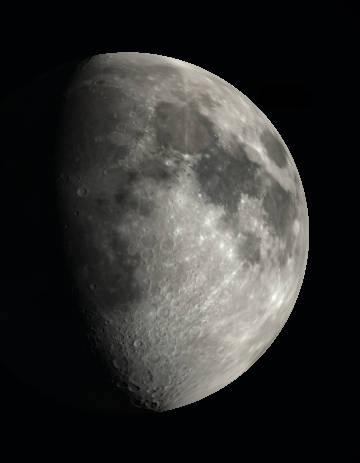
This is Ephemeris for Friday, April 23rd. Today the Sun will be up for 13 hours and 53 minutes, setting at 8:38, and it will rise tomorrow at 6:43. The Moon, halfway from first quarter to full, will set at 5:49 tomorrow morning.
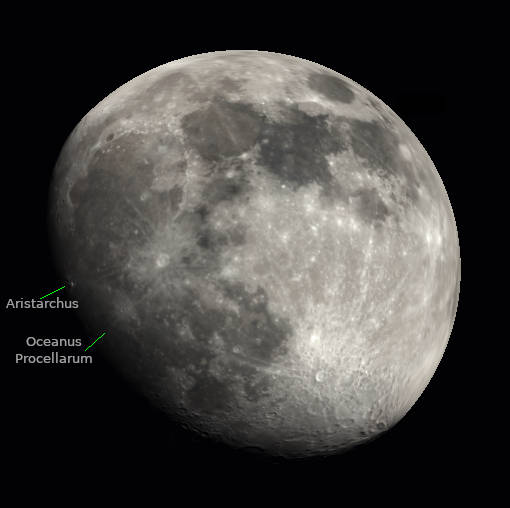
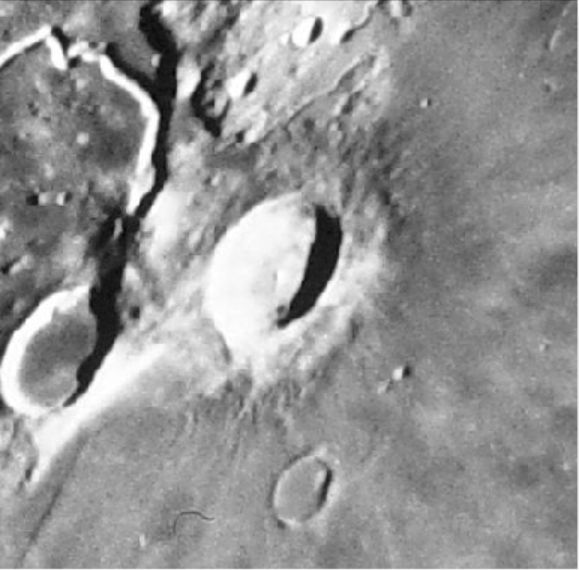
The Moon tonight is bright. The sunrise line or terminator on the Moon is crossing the large gray plain called Oceanus Procellarum, the largest of the Moon’s seas. These seas were figments of the first telescopic observer’s imagination. They are really huge impact basins into which interior lava flowed. On the upper left edge of the moon near the terminator is a bright spot visible in binoculars. In a telescope it is a crater called Aristarchus. It is a fairly new crater, probably 450 million years old. As a rule the brighter the crater the newer it is. Aristarchus is the brightest spot on the moon when it is seen during a full moon. Over the years visual astronomers have seen hazes and bright spots from time to time in and near Aristarchus.
The astronomical event times given are for the Traverse City/Interlochen area of Michigan. They may be different for your location.
Addendum
04/22/2021 – Ephemeris – Earth Day
This is Bob Moler with Ephemeris for Earth Day, Thursday, April 22nd. Today the Sun will be up for 13 hours and 50 minutes, setting at 8:37, and it will rise tomorrow at 6:44. The Moon, 2 days past first quarter, will set at 5:24 tomorrow morning.
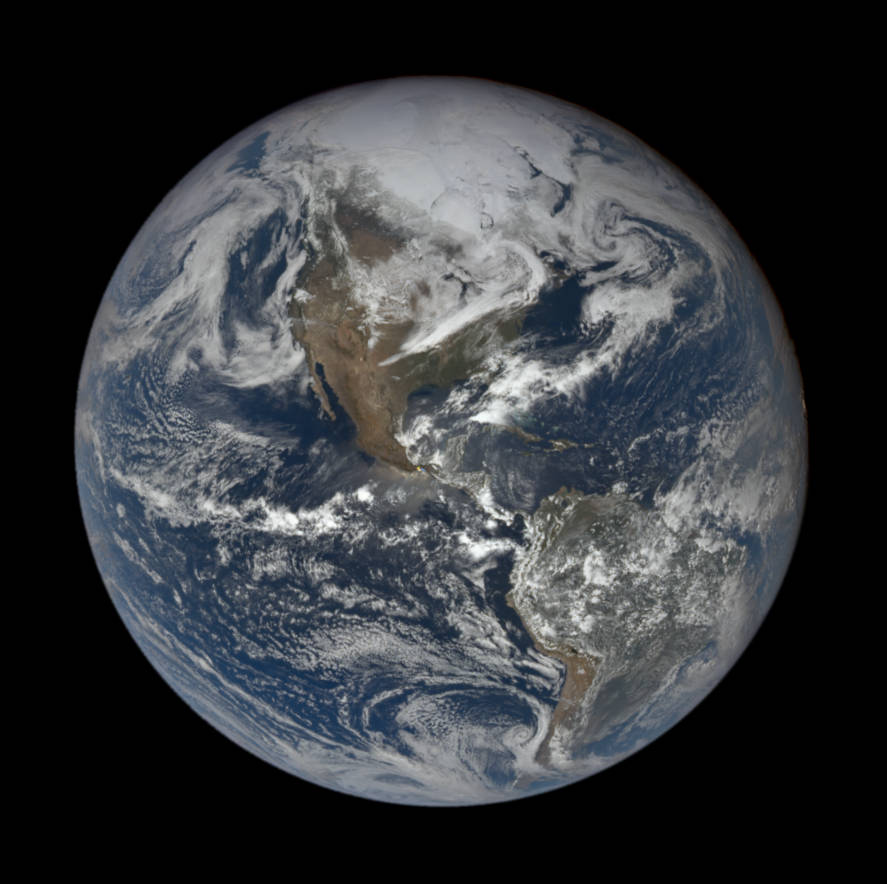
The Earth is unique in the solar system. Actually every planet is unique, as we’ve found out with our spacecraft that have at least flown by every planet of the solar system, plus the dwarf planets Pluto and Ceres. But the Earth uniquely supports life as we know it. It’s the only one that we know of. It is imperative that we colonize the Moon, Mars and asteroids and live off the land, so no single disaster can wipe the human race out. However, we need to take care of the Earth, to understand and get a grip on what we’re doing to Earth’s climate. We must think of the Earth as a spaceship with both renewable resources and limited ones. Our journey is long, and the supplies will have to last. So support your local planet!
The astronomical event times given are for the Traverse City/Interlochen area of Michigan. They may be different for your location.
Addendum
04/21/2021 – Ephemeris – Let’s search for the naked-eye planets for this week
This is Ephemeris for Wednesday, April 21st. Today the Sun will be up for 13 hours and 47 minutes, setting at 8:35, and it will rise tomorrow at 6:46. The Moon, 1 day past first quarter, will set at 4:56 tomorrow morning.
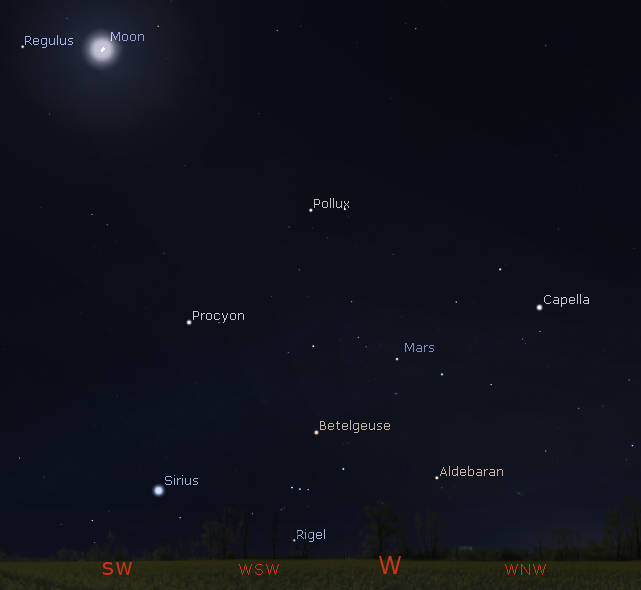
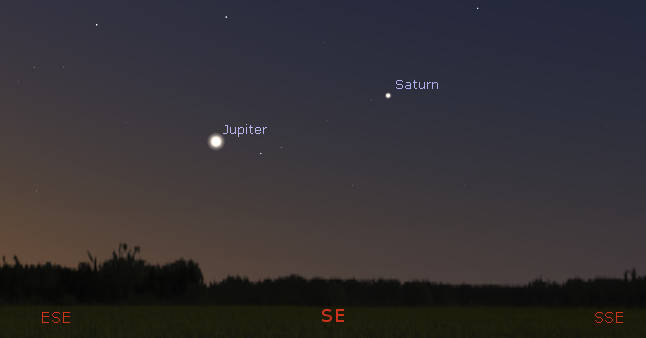
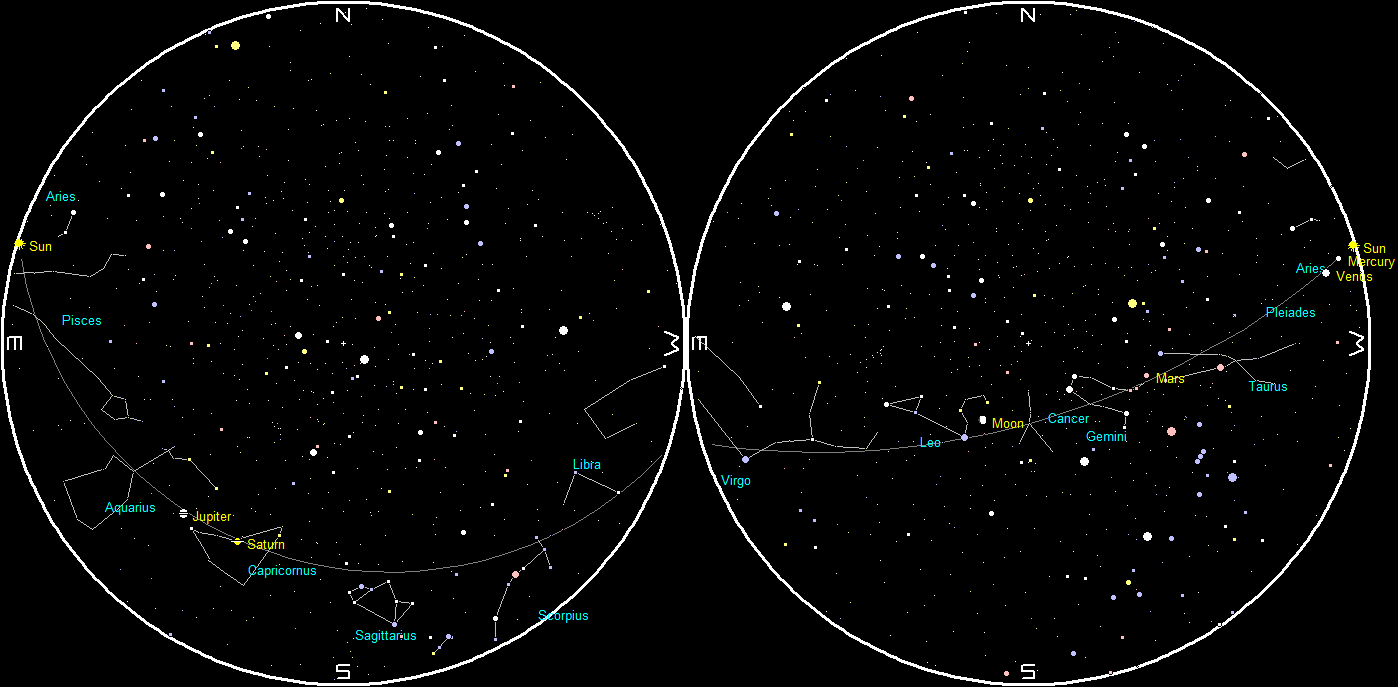
Let’s search for the naked-eye planets for this week. Unfortunately the only one you’ll find in the evening is Mars. It can be found in the west at 10 pm tonight, between the constellations of Taurus the bull below and Gemini the twins above. Tonight it’s just off Castor’s big toe. Mars will set at 1:30 am. Venus is now just east of the Sun, setting 31 minutes after sunset. It will be late May or early June before it will be easily spotted in the evening twilight. Mercury is between the Sun and Venus. Saturn and Jupiter are at a far enough angle from the Sun to be spotted in the morning twilight. Saturn will rise at 3:51 am, with Jupiter rising at 4:28 am. By 6 am they will be low in the southeast.
The astronomical event times given are for the Traverse City/Interlochen area of Michigan. They may be different for your location.
Addendum
04/20/2021 – Ephemeris – SpaceX gets NASA contract for Human Landing System for the Artemis (Moon) Program
This is Bob Moler with Ephemeris for Tuesday, April 20th. Today the Sun will be up for 13 hours and 44 minutes, setting at 8:34, and it will rise tomorrow at 6:47. The Moon, at first quarter today, will set at 4:24 tomorrow morning.
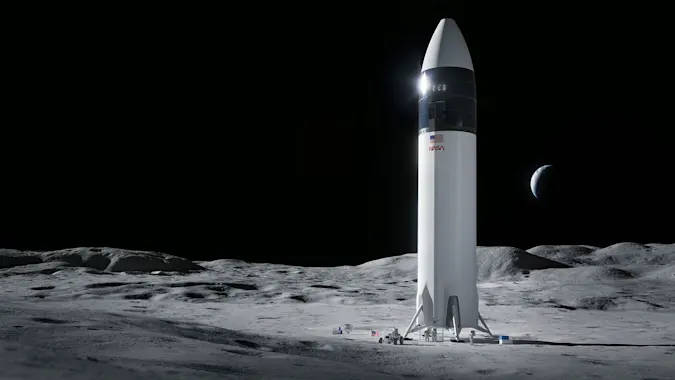
Late last week NASA announced that it had selected SpaceX to provide the Human Lander System for the Artemis program. That lander is the lunar variant of the Starship SpaceX is currently testing near Boca Chica, Texas, just north of the mouth of the Rio Grande. A Starship consists of two stages: a booster called Super Heavy and the Starship upper stage. The Super Heavy returns to the launch site, while the Starship must be refueled several times in orbit to be able to head on out to the Moon. The astronauts would be launched as planned in an Orion capsule with the Space Launch System, then transfer the astronauts to the Starship waiting in lunar orbit or from the Lunar Gateway also in lunar orbit for the trip down to the lunar surface.
The astronomical event times given are for the Traverse City/Interlochen area of Michigan. They may be different for your location.
Addendum
NASA’s Source Selection Document (the rationale for their selection): https://www.nasa.gov/sites/default/files/atoms/files/option-a-source-selection-statement-final.pdf
04/19/2021 – Ephemeris – The Moon tonight, Yutu the Jade Rabbit
This is Ephemeris for Monday, April 19th. Today the Sun will be up for 13 hours and 42 minutes, setting at 8:33, and it will rise tomorrow at 6:49. The Moon, 1 day before first quarter, will set at 3:47 tomorrow morning.
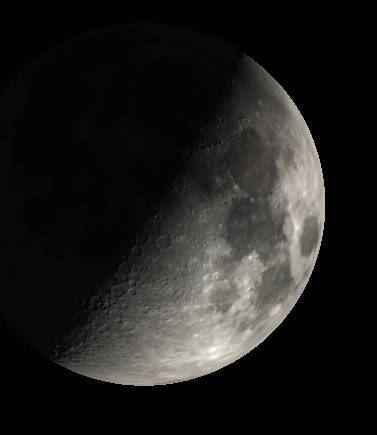
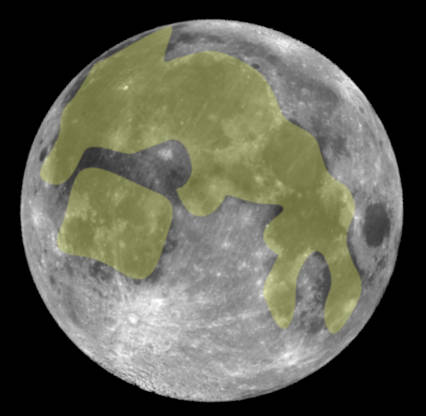
Let’s take a look at the Moon tonight. Binoculars or a small telescope will be handy for seeing the lunar features. The Moon will be at actual first quarter at 3 am tomorrow morning so the terminator or in this case sunrise line on the Moon will cut it nearly in half. To the naked eye the face of the Man in the Moon isn’t yet noticeable, but the top part of the upside down Chinese rabbit Yutu can be glimpsed. His ears are the seas of Fertility and Nectar, his head is the Sea of Tranquility, and the top part of his body is the Sea of Serenity. The lower part of his body and his arms pulverizing medicine with a mortar and pestle will have to wait until the Moon is nearer full. Yutu is the pet rabbit of the Chinese Moon goddess Chang’e.
The astronomical event times given are for the Traverse City/Interlochen area of Michigan. They may be different for your location.
Addendum
04/16/2021 – Ephemeris – Virtual Star Party for the Sleeping Bear Dunes tonight
This is Bob Moler with Ephemeris for Friday, April 16th. Today the Sun will be up for 13 hours and 33 minutes, setting at 8:29, and it will rise tomorrow at 6:54. The Moon, 4 days before first quarter, will set at 1:15 tomorrow morning.
Tonight the Sleeping Bear Dunes National Lakeshore and the Grand Traverse Astronomical Society will hold an online star party this evening starting around 9 pm via the Zoom app available for Android smartphones, iPhones and computers. Instructions for joining are on the society’s website http://www.gtastro.org or the Sleeping Bear Dunes National Lakeshore Facebook page. Images will be captured live, if it’s clear, from Northwestern Michigan College’s Joseph H Rogers Observatory. The images will be pretty much what is seen at the telescope eyepiece, and definitely not Hubble Space Telescope quality, which take days to process. Visible will be the crescent Moon. Then we move out beyond the solar system into our galaxy for star clusters and beyond our galaxy into the distant galaxies of spring skies.
The astronomical event times given are for the Traverse City/Interlochen area of Michigan. They may be different for your location.
Addendum
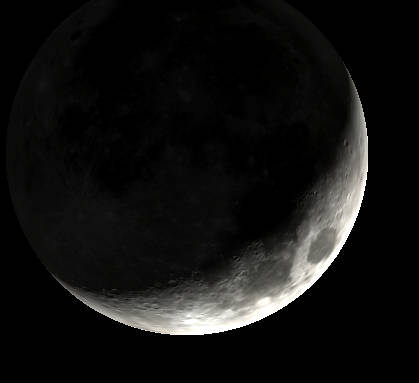
We will be looking also at a few star clusters and out the thin side of our Milky Way Galaxy to lots of other galaxies.

