Archive
Ephemeris: 03/17/2026 – It’s also an equilux day
This is Bob Moler with Ephemeris for St. Patrick’s Day, Tuesday, March 17th. Today the Sun will be up for 12 hours and to the minute, setting at 7:51, and it will rise tomorrow at 7:49. The Moon, 1 day before new, will rise at 7:33 tomorrow morning. | This upcoming Saturday will be the vernal equinox, the first day of spring. Equinox means equal night, meaning that day and night are equal. Geometrically that’s correct, but, that’s not actually true. Today is the day when the sun is up for 12 hours and of course set for 12 hours. The name for this day has come to be called equilux day. Lux being the Latin for light. The difference is, because the Earth has an atmosphere, plus we have a different definition of sunrise and sunset that puts the sun a little bit below the horizon at the rise and set moment. So enjoy a few extra minutes of sunlight before the official equinox date. Think of it as a St Patrick’s Day bonus.
The astronomical event times given in this blog are for the Traverse City/Interlochen area of Michigan (Lat 44.7° N, Long 85.7° W; EST, UT – 5 hours) unless stated otherwise. Times will be different for other locations.
Addendum
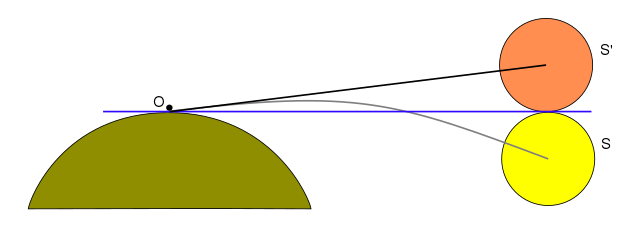
A note: This is equilux day for folks a 45 degrees north latitude. The actual date may vary by a day or so depending on one’s latitude, which affects the angle the Sun appears to cross the horizon.
Ephemeris: 03/16/2026 – The Big Dipper as seen from other places
This is Ephemeris for Monday, March 16th. Today the Sun will be up for 11 hours and 57 minutes, setting at 7:50, and it will rise tomorrow at 7:51. The Moon, 2 days before new, will rise at 7:14 tomorrow morning.
The Big Dipper is ascending in the northeastern sky this evening when it gets dark, it’s seven stars shining brightly. The Big Dipper is not an actual constellation, recognized internationally. It’s part, the hind part, of Ursa Major, the great bear. The Big Dipper is an asterism or informal constellation. It is a distinctly North American constellation. For fugitive slaves, fleeing the southern states in the days before the Civil War, the Drinking Gourd, as they called it, showed the direction north to freedom. In England the dipper stars become the Plough (plow), or Charles’ Wain (Charlemagne’s Wagon). In France, known for culinary delights it is the saucepan, or the cleaver. Many cultures saw what was familiar to them in these seven bright stars.
The astronomical event times given in this blog are for the Traverse City/Interlochen area of Michigan (Lat 44.7° N, Long 85.7° W; EST, UT – 5 hours) unless stated otherwise. Times will be different for other locations.
Addendum
Ephemeris: 03/12/2026 – Cancer the crab used to welcome summer
This is Ephemeris for Thursday, March 12th. Today the Sun will be up for 11 hours and 44 minutes, setting at 7:45, and it will rise tomorrow at 7:58. The Moon, 1 day past last quarter, will rise at 5:25 tomorrow morning.
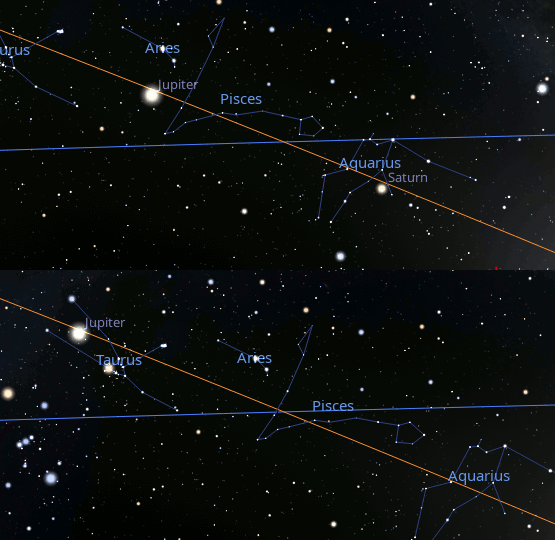
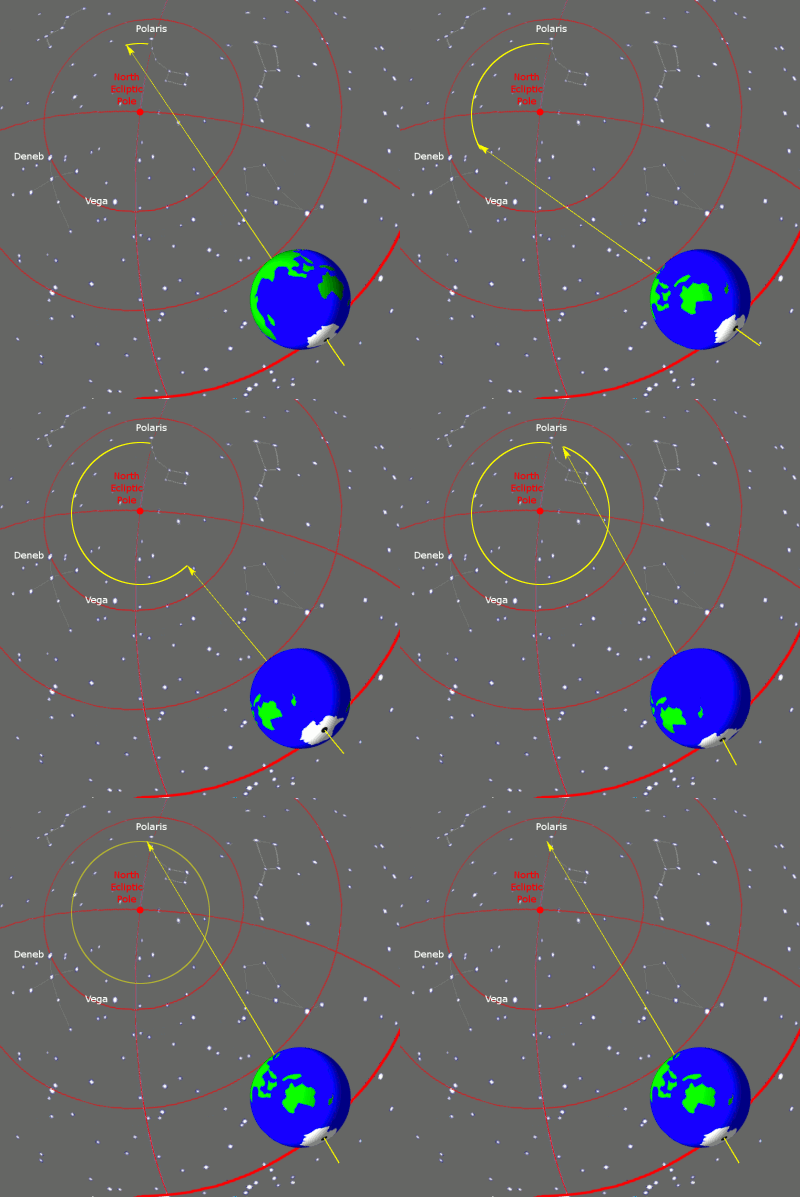
There’s a line on some globes and maps at approximately 23 1/2° north latitude called the Tropic of Cancer. It’s related to the constellation Cancer the crab. However, Cancer no longer fits that role that it was named to a couple of thousand years ago, when the sun entered the constellation of Cancer on the first day of summer. That’s the latitude on the Earth where the Sun was directly overhead on the first day of summer. Now that an honor goes to Gemini. The way we draw the figure of that constellation, the Sun is right near Castor’s big toe on the first day of summer. But I don’t think they’re going to change the name anytime soon. The reason for the change is that the Earth’s axis slowly wobbles like a top or gyroscope as they slow down. The effect is called precession.
The astronomical event times given in this blog are for the Traverse City/Interlochen area of Michigan (Lat 44.7° N, Long 85.7° W; EST, UT – 5 hours) unless stated otherwise. Times will be different for other locations.
Addendum
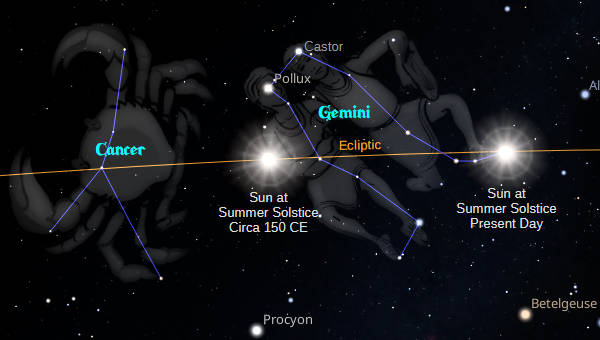
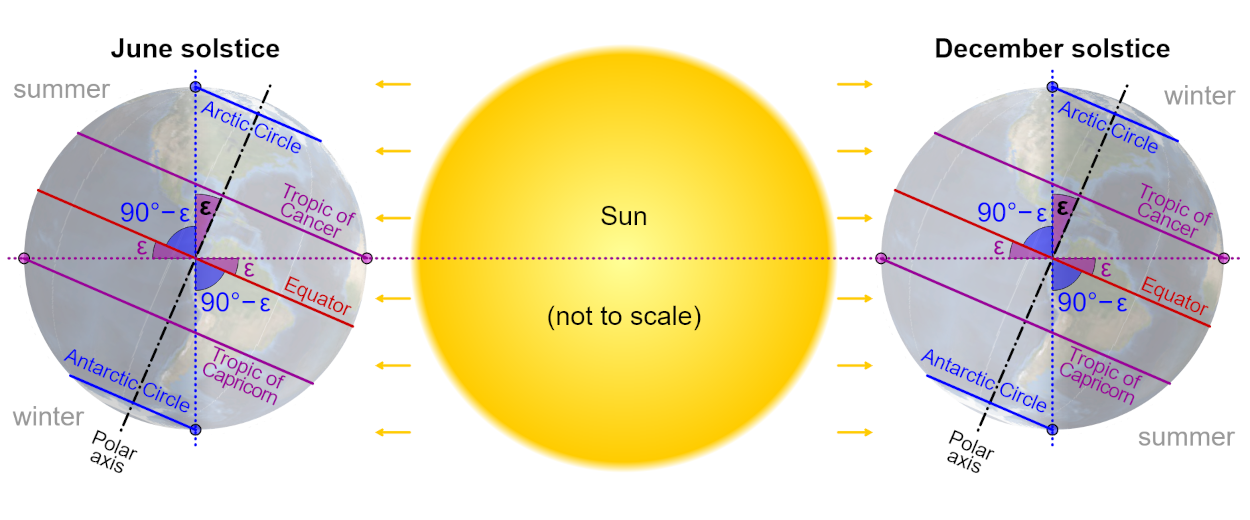
The Greek letter epsilon in the image above represents the tilt of the Earth’s axis of around 23.5°. Astronomers call it the obliquity of the ecliptic, the angle between the ecliptic and the celestial equator as seen in the illustration below.
Ephemeris: 03/11/2026 – Taking our weekly look at the whereabouts of the naked-eye planets
This is Ephemeris for Wednesday, March 11th. Today the Sun will be up for 11 hours and 41 minutes, setting at 7:43, and it will rise tomorrow at 8:00. The Moon, at last quarter today, will rise at 4:42 tomorrow morning.
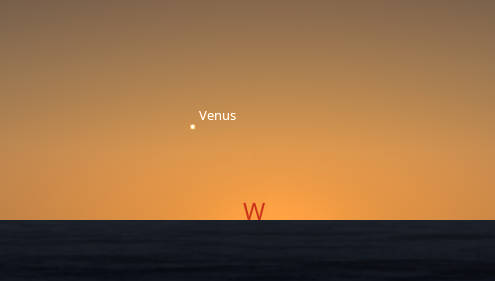
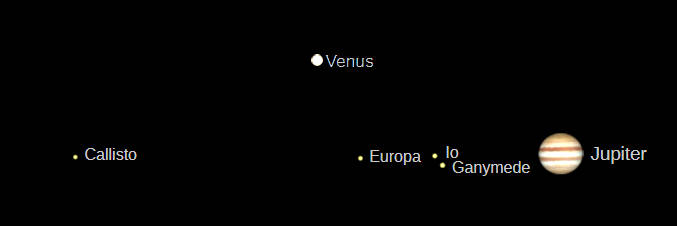
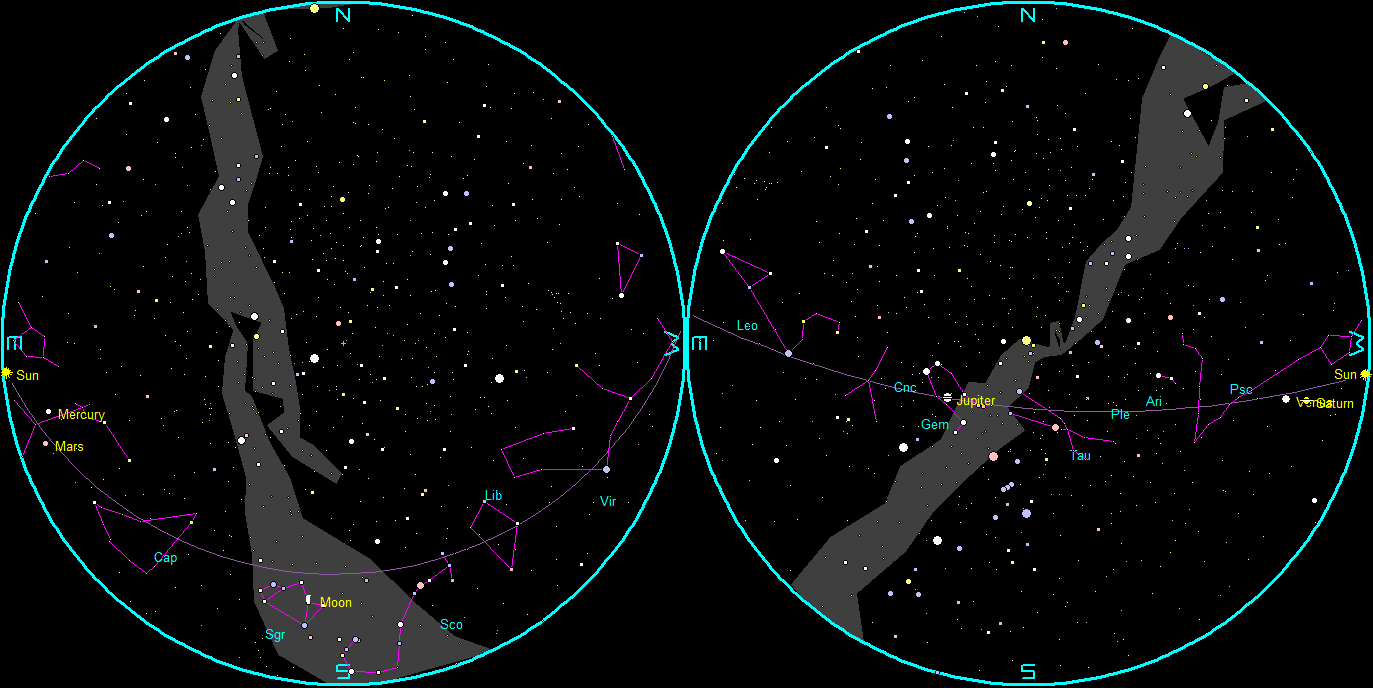
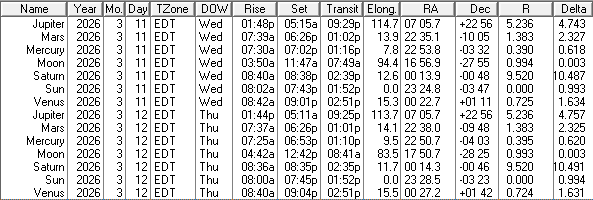
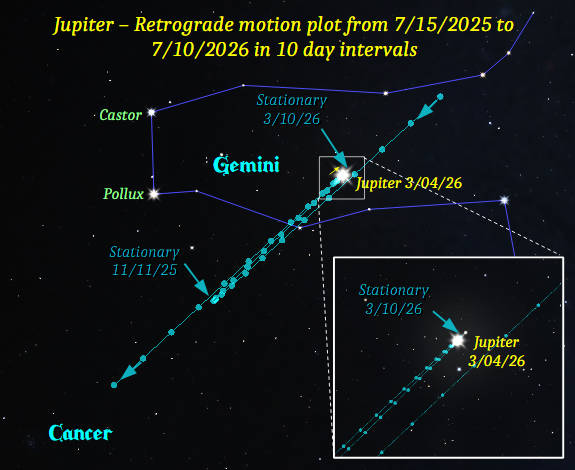
Let’s take our weekly look at the whereabouts of the naked-eye planets. At 8:15 PM or about a half hour after sunset, Venus may be seen very low in the West. A very low western horizon will be necessary to spot it, like from the shore of Lake Michigan. Saturn is no longer visible, being too close to the direction of the Sun. Jupiter is the brilliant star-like object more than halfway up in the southern sky. It’s the brightest star-like object in the sky. The planet and its moons are a treat for binoculars or a telescope. Jupiter’s four brightest, so-called Galilean Moons are on the east side of the planet, though binoculars will probably show three. The moon closest to the planet are two moons close together, which are resolved in telescopes.
The astronomical event times given in this blog are for the Traverse City/Interlochen area of Michigan (Lat 44.7° N, Long 85.7° W; EST, UT – 5 hours) unless stated otherwise. Times will be different for other locations.
Addendum
Ephemeris: 03/10/2026 – Finding Cancer the crab
This is Ephemeris for Tuesday, March 10th. Today the Sun will be up for 11 hours and 38 minutes, setting at 7:42, and it will rise tomorrow at 8:02. The Moon, 1 day before last quarter, will rise at 3:50 tomorrow morning.
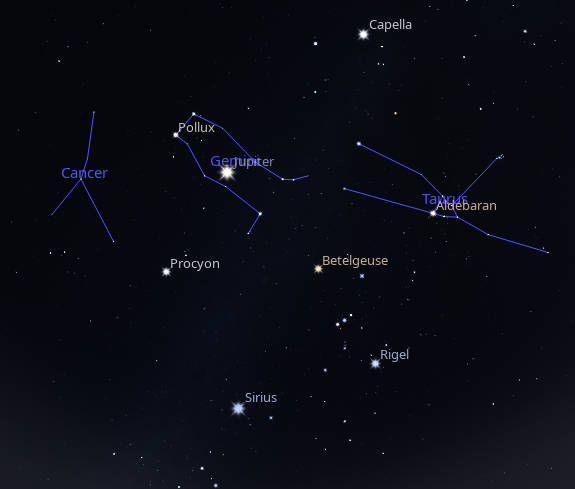
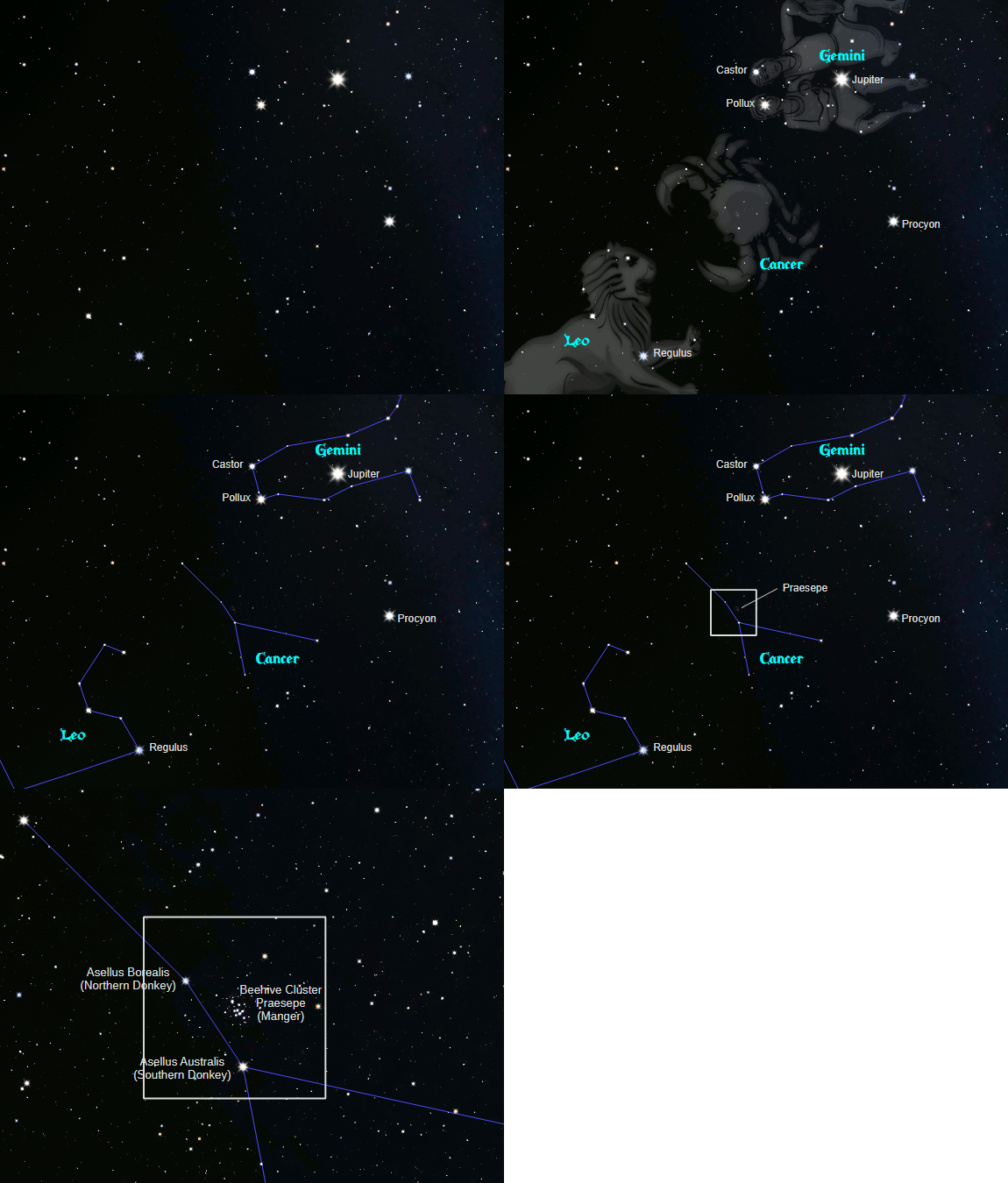
The constellation of Cancer the crab is made of dim stars, which are generally connected, in constellation charts, with lines that make either the letter K or an upside down Y. It lies directly between the star pair Castor and Pollux in Gemini and Regulus in Leo. In the center of the constellation is, what to the naked-eye is a fuzzy spot called Praesepe, or the manger. The two nearby stars, one above left, and one below left are Asellus Borealis, and Asellus Australis, the northern and southern donkey colts feeding out of the manger. Viewing that fuzzy spot with a pair of binoculars will reveal that it’s not fuzzy at all. It resolves into a cluster of stars, which astronomers, over the years, have called the Beehive cluster.
The astronomical event times given in this blog are for the Traverse City/Interlochen area of Michigan (Lat 44.7° N, Long 85.7° W; EST, UT – 5 hours) unless stated otherwise. Times will be different for other locations.
Addendum
Ephemeris: 03/09/2026 – The Great Underwater Panther in the stars
This is Ephemeris for Monday, March 9th. Today the Sun will be up for 11 hours and 35 minutes, setting at 7:41, and it will rise tomorrow at 8:04. The Moon, 2 days before last quarter, will rise at 2:50 tomorrow morning.
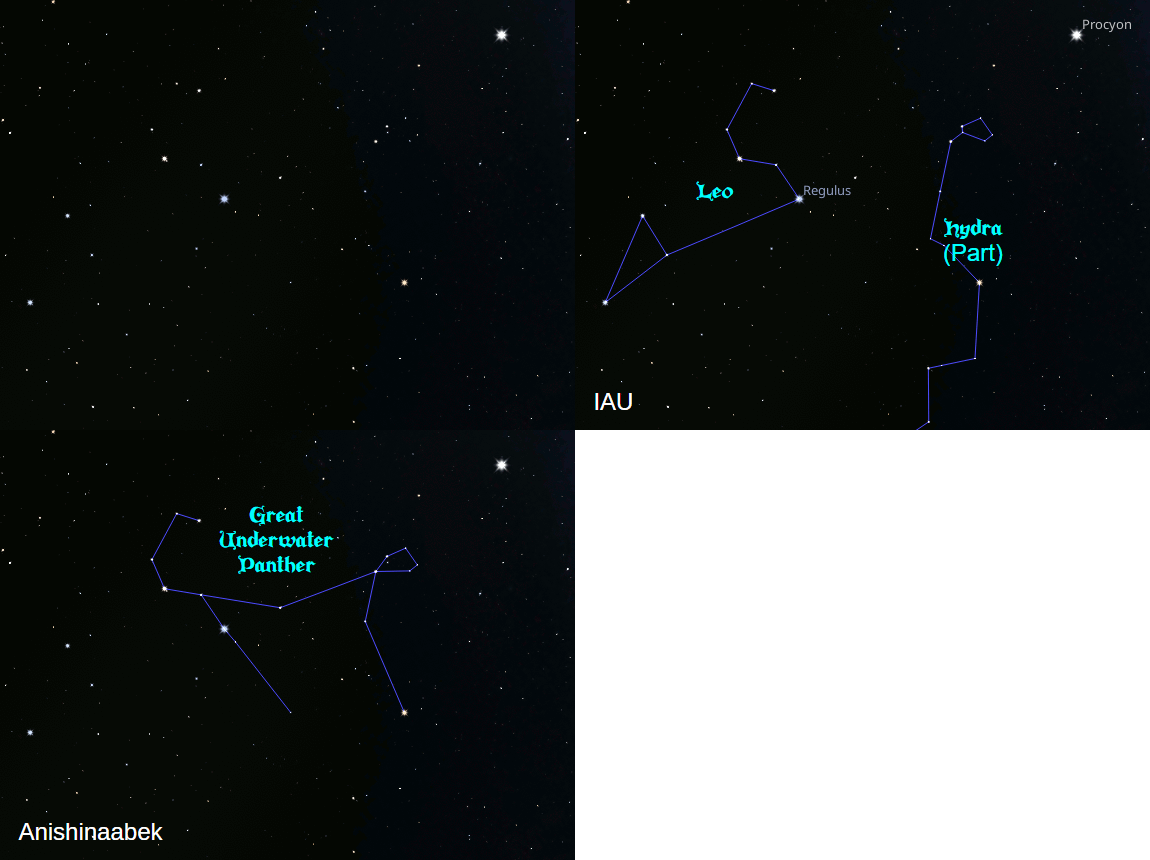
As Orion tilts into the southwest at 9 PM I’m reminded of our Anishinaabek native peoples here in Michigan, who saw it as the Winter Maker slowly beginning to leave the scene in the southwest. At this time in the southeast is Curly Tail, the Great Panther. I first knew him as the Great Underwater Panther, which tells us where he lives… beneath the ice. He’s in the sky to warn us that the warmer weather of spring is coming, and the ice on the lakes and rivers is getting thin. Be careful to not fall through and drown, becoming a victim of the Great Panther. The stars of the panther include those of the head of Leo the lion the great backwards question mark, as his curly tail, to his head, the head of what we call Hydra the water snake.
The astronomical event times given in this blog are for the Traverse City/Interlochen area of Michigan (Lat 44.7° N, Long 85.7° W; EST, UT – 5 hours) unless stated otherwise. Times will be different for other locations.
Addendum


Ephemeris: 03/06/2026 – The Fisher announces the coming of the maple sugaring season
This is Ephemeris for Friday, March 6th. Today the Sun will be up for 11 hours and 25 minutes, setting at 6:37, and it will rise tomorrow at 7:09. The Moon, 3 days past full, will rise at 10:30 this evening.
March is a month of transitions. The stars of the winter skies, that is Orion and his merry band of bright stars, move to the west as those of spring rise in the east. The Big Dipper is ascending in the northeastern sky, after lying low in the north during the long dark evenings in the heart of winter. The dipper is the hind end of the Great Bear, officially Ursa Major. The Anishinaabe peoples of the Great Lakes region saw the Big Dipper as the hind end and tail of a magical creature called Fisher, or in their language Ojiig, who brought summer to the Earth. Its position in the sky around the pole announces the seasons. The Fisher’s ascension high into the northeastern sky signals the start of the maple sugaring season later this month.
The astronomical event times given in this blog are for the Traverse City/Interlochen area of Michigan (Lat 44.7° N, Long 85.7° W; EST, UT – 5 hours) unless stated otherwise. Times will be different for other locations.
Addendum
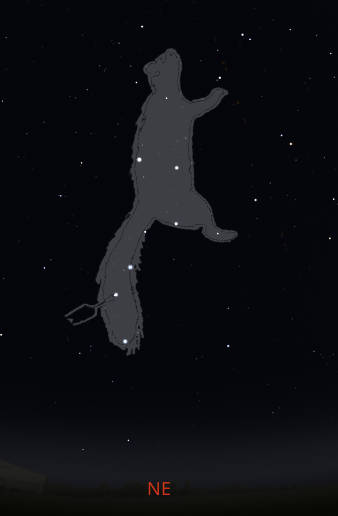
For the story of the Fisher, and how he got that arrow stuck in his tail, check out The story of the Fisher Star.
Ephemeris: 02/05/2026 – Artemis 3 isn’t going to the Moon
This is Ephemeris for Thursday, March 5th. Today the Sun will be up for 11 hours and 22 minutes, setting at 6:36, and it will rise tomorrow at 7:11. The Moon, 2 days past full, will rise at 9:22 this evening.
Late last week NASA announced that the Artemis 3 mission was not going to land on the Moon. It wasn’t even going to the Moon. It would be a low earth orbit test of docking and operations of the Human Landing System or lunar landers, either the SpaceX Starship Lander or Blue Origin’s Blue Moon Lander. This reminds me of the Apollo 9 mission which came after the spectacular Apollo 8 mission which orbited the Moon. Apollo 9 was a checkout of the Lunar Lander in low earth orbit. Several Months later, Apollo 10 flew to the Moon to a checkout of the Lunar Lander in lunar orbit. They couldn’t land, but it was a test of the operations in preparation for Apollo 11 which successfully landed on the Moon.
The astronomical event times given in this blog are for the Traverse City/Interlochen area of Michigan (Lat 44.7° N, Long 85.7° W; EST, UT – 5 hours) unless stated otherwise. Times will be different for other locations.
Addendum

Ephemeris: 03/04/2026 – Taking our weekly look at the whereabouts of the naked-eye planets
This is Ephemeris for Wednesday, March 4th. Today the Sun will be up for 11 hours and 19 minutes, setting at 6:34, and it will rise tomorrow at 7:13. The Moon, 1 day past full, will rise at 8:14 this evening.
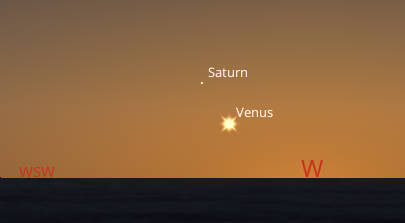
Let’s take our weekly look at the whereabouts of the naked-eye planets. At 7 PM or about a half hour after sunset, Venus may be seen very low in the West. Above it and a bit to the left might be Saturn which may not show up until a quarter of an hour later. We are in the last third of winter and the sunset times are increasing rapidly and taking with it Saturn. The evening sky will shift dramatically this Sunday when Daylight Saving Time returns, giving us darker mornings and brighter evenings. Jupiter is the brilliant star-like object more than halfway up in the southern sky. It’s the brightest star-like object in the sky. The planet and its moons are a treat for binoculars or a telescope.
The astronomical event times given in this blog are for the Traverse City/Interlochen area of Michigan (Lat 44.7° N, Long 85.7° W; EST, UT – 5 hours) unless stated otherwise. Times will be different for other locations.
Addendum

Ephemeris: 03/03/2026 – Eclipse prospects for the rest of the year
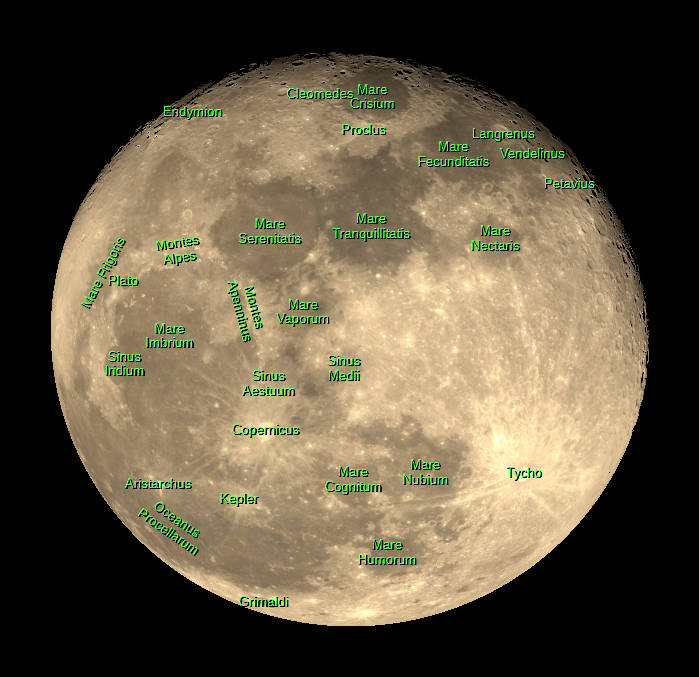
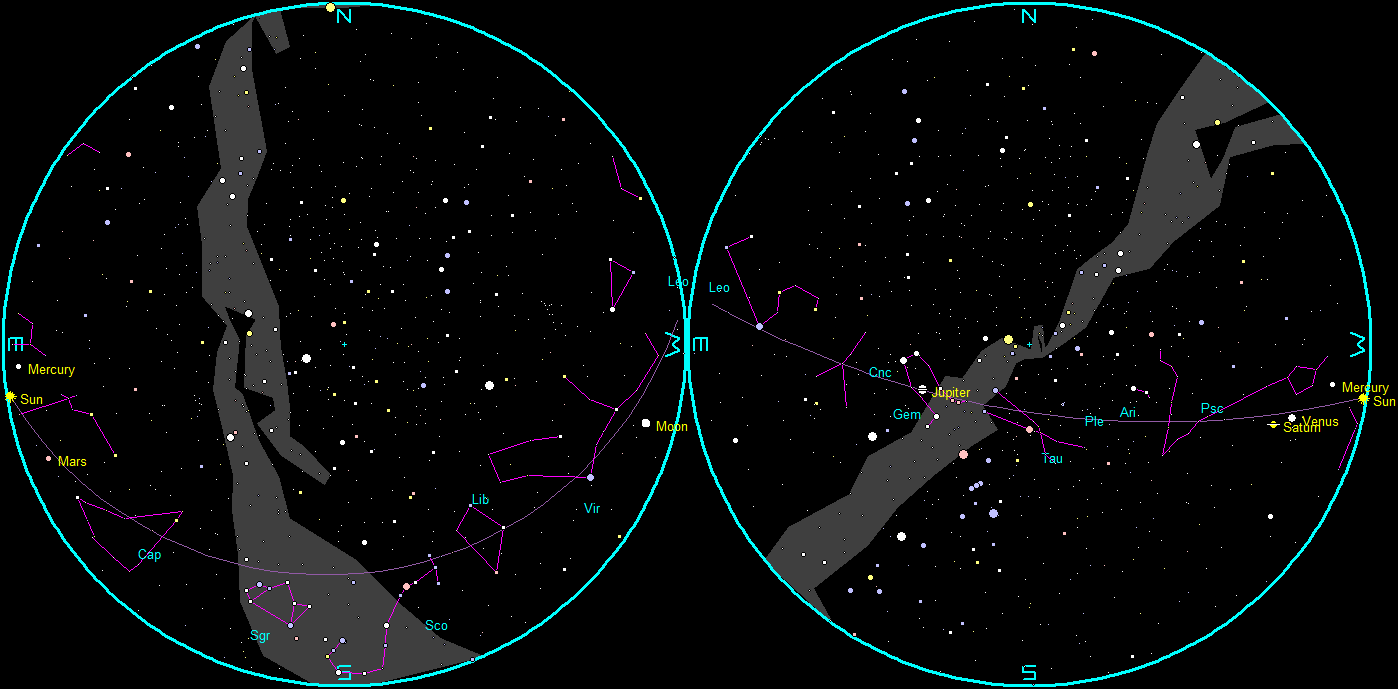
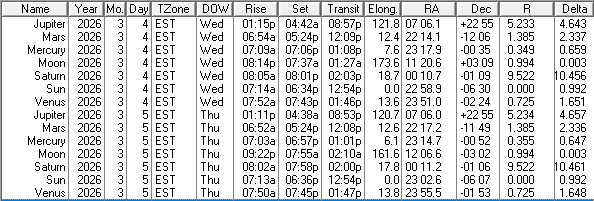
This is Ephemeris for Tuesday, March 3rd. Today the Sun will be up for 11 hours and 16 minutes, setting at 6:33, and it will rise tomorrow at 7:14. The Moon, at full today, will rise at 7:04 this evening.
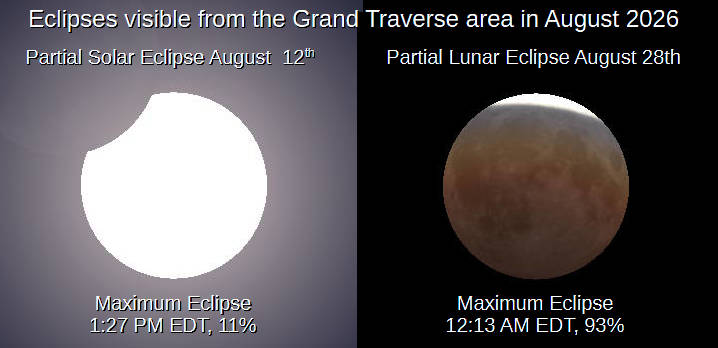
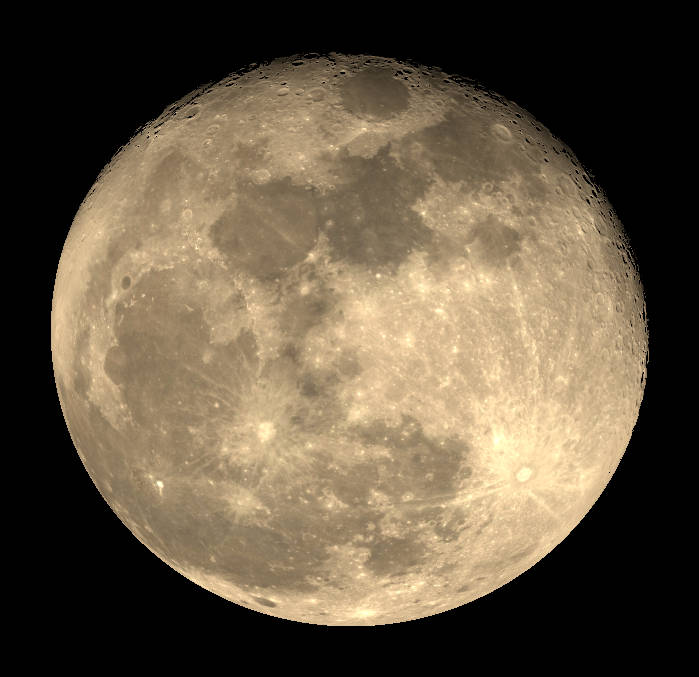
If you’re listening to me right now the total lunar eclipse this morning has ended or will shortly end. In any case it’s invisible because, even if it’s ongoing, twilight has wiped it out. Then there is the possibility of clouds, which I can’t predict from when I’m recording this Sunday night. We do have another chance to view a lunar eclipse, this year, on the night of August 27-28th. It’ll be a little bit earlier. It will start late in the evening and be almost total after midnight. There’s also going to be a solar eclipse on August 12th, but it will be just a little nibble of the moon on the sun for us. It’s going to be total for the east coast of Greenland, the northern Atlantic, and northern Spain, before ending at sunset in the Mediterranean Sea.
The astronomical event times given in this blog are for the Traverse City/Interlochen area of Michigan (Lat 44.7° N, Long 85.7° W; EST, UT – 5 hours) unless stated otherwise. Times will be different for other locations.
Addendum